 Largo Window
 Living on the Barrier Island Changes What a Window Has to Do
Belleair Beach sits on a narrow strip of sand between the Gulf of Mexico and the Intracoastal Waterway, and that location changes the math on home exteriors. A window that performs fine a few miles inland in Largo or Clearwater can fail years early out here. The combination of salt-laden air, constant wind, direct sun exposure with almost no tree canopy, and the very real chance of a hurricane or tropical storm working its way through Pinellas County means barrier island homes need windows chosen and installed with that specific environment in mind, not generic "Florida" windows.
We've worked on homes up and down this stretch of coast, and the patterns repeat: aluminum frames that have pitted and chalked, seals that failed years before their rated life, hardware that seized from corrosion, and glazing that let in more heat than it should have. None of that is inevitable. It's a product and installation problem, and it's fixable with the right approach.
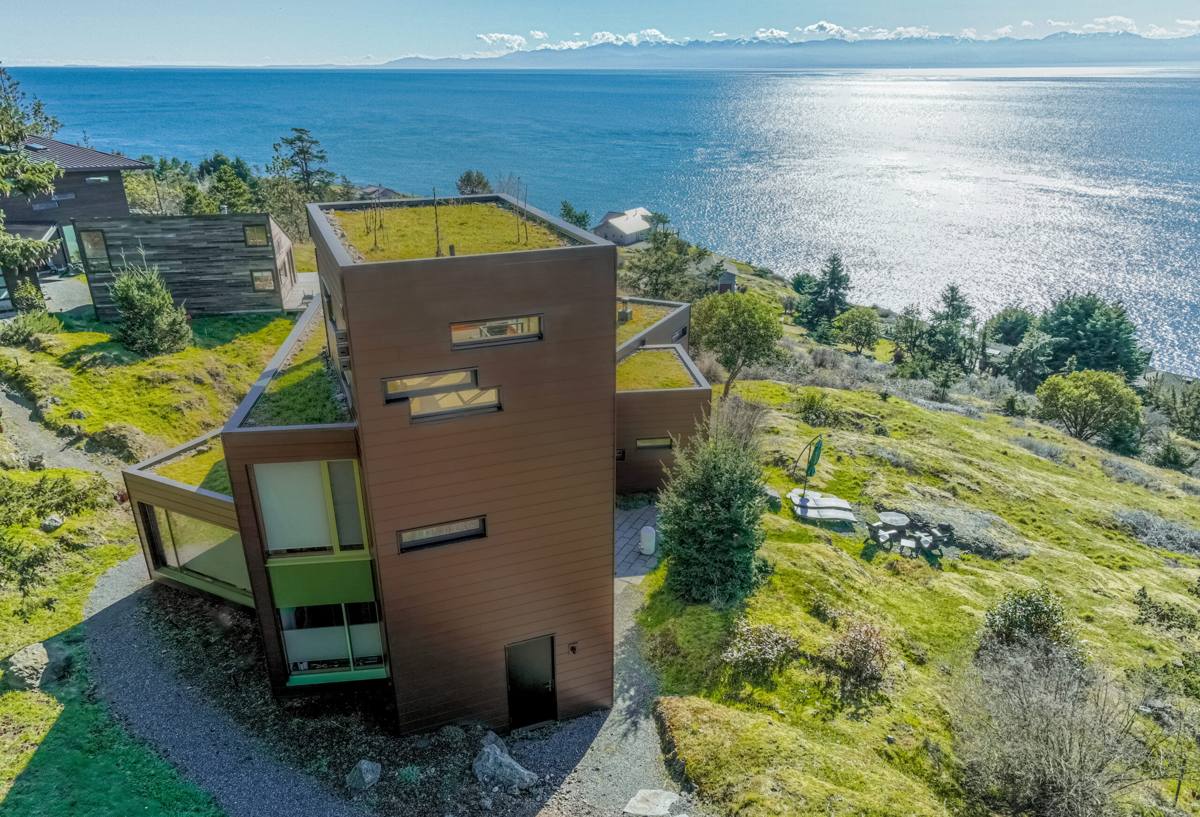
What Belleair Beach Homes Are Actually Up Against
Salt Air and Corrosion
Being this close to open Gulf water means airborne salt is a constant, not an occasional event. Salt spray settles on everything, including window frames, hardware, and screen enclosures. Lower-grade aluminum and mild steel components corrode faster here than almost anywhere else in the county. Anything on a barrier island home should be rated for coastal or marine-grade exposure, and that includes the fasteners and hardware, not just the visible frame.
Wind Load and Storm Pressure
Belleair Beach is directly exposed to Gulf wind with no barrier islands or significant landmass to break it up before it reaches the shoreline. During named storms, wind-driven rain doesn't just hit windows — it drives water sideways and upward, testing seals and flashing details that never get stressed on a calmer inland lot. Windows here need to meet the wind load and impact requirements set for coastal Pinellas County construction, not a lower inland standard.
UV Exposure
With little shade cover and long, intense Florida sun for most of the year, west- and south-facing windows in particular take a beating. UV breaks down vinyl, degrades seals, and can discolor frames over time. It also drives cooling costs up if the glass package isn't doing its job, which matters a lot on a home that's likely running AC nearly year-round.
Humidity and Moisture Cycling
Constant humidity combined with salt air accelerates any weak point in a window's seal or flashing. Small installation gaps that would be a minor issue in a drier inland climate can lead to water intrusion, frame rot around openings, and mold concerns much faster on the coast.
What We Look for in Coastal-Grade Windows
Not every window sold as "impact" or "hurricane-rated" is built the same way, and not every option is a good fit for direct coastal exposure. We steer Belleair Beach homeowners toward products that hold up specifically in this environment:
- Frame materials rated for coastal or marine exposure, with corrosion-resistant hardware and fasteners throughout
- Impact-rated glazing that meets Florida Building Code requirements for the High-Velocity Hurricane Zone standards used along this coast
- Low-E glass coatings to cut UV transmission and reduce cooling load without darkening the view
- Properly engineered weep systems so wind-driven rain has somewhere to go instead of pooling at the sill
- Reinforced anchoring specified for the wind pressures this exposure category requires, not a general statewide minimum
We're honest about trade-offs. Some frame finishes look great initially but need more upkeep near open salt water; some hardware options cost more up front but avoid corrosion headaches years down the line. Our job is to walk through those trade-offs with you in plain terms so you're choosing based on how the product actually performs here, not just a showroom sample.
Impact-Rated vs. Standard Windows: What Actually Changes
| Factor | Standard Window | Impact-Rated Window |
|---|---|---|
| Glass construction | Single or basic dual-pane | Laminated glass bonded to resist penetration |
| Storm protection | Requires separate shutters/panels | Built-in protection, no separate install needed during a storm |
| Frame reinforcement | Standard anchoring | Engineered for higher wind pressure loads |
| Insurance impact | Typically no discount | Often qualifies for windstorm mitigation credits |
| Upfront cost | Lower | Higher, offset over time by insurance savings and no shutter costs |
| Everyday noise reduction | Standard | Noticeably quieter due to laminated glass |
For a barrier island property, impact-rated windows aren't an upsell — they're the practical choice given the wind exposure and the code requirements that already apply to this part of Pinellas County. Homeowners often find the insurance premium reduction alone makes up a meaningful chunk of the price difference over a few years, though we'd rather you confirm exact numbers with your insurance agent than take a rough estimate as a promise.
Installation Matters as Much as the Product
A well-built window installed poorly will still leak, still let in drafts, and still fail early. On a barrier island home, installation quality is arguably more important than it is inland, because there's less margin for error. Flashing has to be layered correctly so water sheds outward at every point. Sealant has to be applied to a surface prepped for it, not just caulked over old, degraded material. Fasteners have to be set to the anchoring spec the window manufacturer requires for this wind zone, not just "snug."
We also pay attention to what's around the window opening itself. If there's existing moisture damage, deteriorated wood, or corrosion in the framing, replacing the window without addressing that just seals a problem behind new glass. Part of a proper coastal installation is checking the opening before anything new goes in.
Signs Your Current Windows Are Struggling With Coastal Exposure
- Chalky white residue or visible pitting on aluminum frames
- Hardware (locks, cranks, hinges) that's stiff, corroded, or hard to operate
- Fogging or condensation between panes on dual-pane units, indicating a failed seal
- Noticeable drafts or a whistling sound during windy conditions
- Rooms near windows that feel noticeably hotter during peak sun hours
- Visible gaps, cracked caulk, or soft spots in the surrounding trim
Any one of these on its own might just mean routine maintenance. Several together, especially on a home that's been through a few storm seasons, usually means it's worth a real evaluation rather than another round of caulk and hope.
Windows Don't Work in Isolation
On a coastal property, windows are one piece of an exterior system that has to work together against the same conditions — wind, salt, UV, and wind-driven rain. We handle siding, roofing, windows, and decks, which matters here because these components share the same failure points. A roof with compromised flashing near a window header can send water into that opening no matter how good the window itself is. Siding that's failed to salt exposure can hide moisture issues that affect nearby window framing. A deck exposed to the same salt air and sun often needs attention on a similar timeline to windows and siding.
Having one crew look at the whole exterior, rather than treating each component as a separate problem, tends to catch issues earlier and avoids the situation where one contractor's fix creates a new problem for another trade to find later.
Why a Local Crew Matters on a Barrier Island
Belleair Beach isn't a large area, and its access, permitting, and inspection requirements are specific to it and to Pinellas County more broadly. A crew that regularly works this stretch of coast — Largo, Belleair Beach, and the surrounding barrier islands — already understands the wind zone requirements, the salt exposure realities, and the kind of product specs that actually hold up here, rather than learning it on your project. We're also positioned to respond quickly for pre-storm prep or post-storm assessment, which is worth something when a system is approaching the Gulf and you need answers fast, not a callback next week.
What to Expect From a Window Project Here
Every home and every opening is a little different, but a straightforward window replacement project on a barrier island home generally follows the same shape:
- On-site evaluation of existing windows, framing condition, and any moisture or corrosion issues
- Product recommendations matched to your home's wind exposure category and sun orientation
- A clear, itemized proposal so you know what's being installed and why
- Removal of old units and inspection of the opening before anything new goes in
- Proper flashing, sealing, and anchoring to spec for coastal wind loads
- Final walkthrough so you understand how to operate and maintain the new windows
Timelines vary depending on product lead times, especially for impact-rated glass, so we'll give you a realistic schedule rather than an optimistic one.
Ready When You Are
If your windows are showing wear from salt air, wind, or sun, or you're planning ahead of the next storm season, we're happy to take a look and give you a straight assessment of what's needed and what can wait. Reach out for a free, no-pressure estimate using the form below.