 Largo Window
 Windows Built for What Pinellas Park Weather Actually Does
Pinellas Park sits inland from the Gulf but close enough to catch salt-laden air on breezy days, and it gets the same storm exposure as the rest of Pinellas County. Homes here deal with a specific combination of stresses: long stretches of intense UV that most of the country never sees, wind-driven rain that finds any weak seal, sudden pressure changes during storms, and humidity that never really lets up. Windows are one of the first components on a house to show that wear, because they're doing several jobs at once — keeping water out, holding up under wind pressure, and blocking heat gain — every single day of the year.
A window that was a reasonable choice in a drier, milder climate often isn't the right choice here. That's true whether we're talking about frame material, glass package, or how the unit is actually installed and flashed. We work on homes throughout the Largo and Pinellas Park area, and the patterns we see are consistent enough that we can walk through them honestly, without guessing or exaggerating.
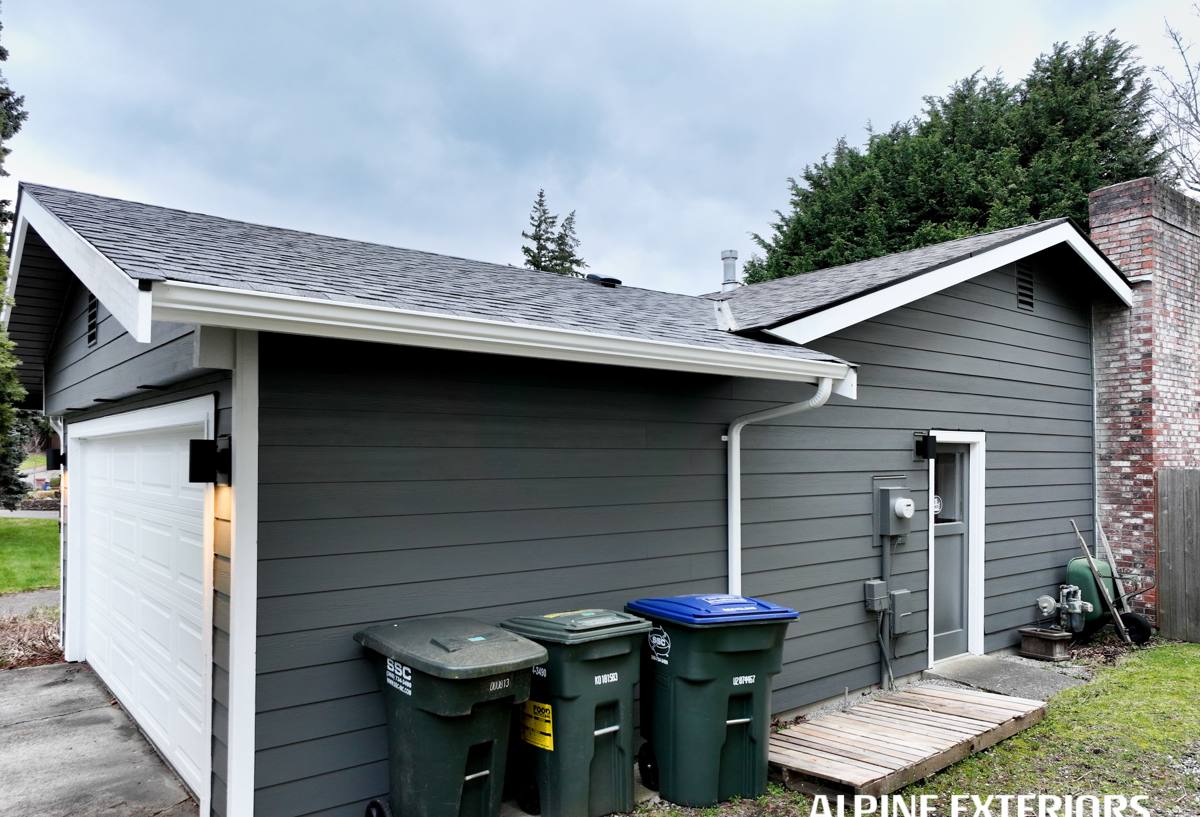
How Sun, Wind, and Salt Air Wear Down Windows Here
UV and Heat
Florida's UV exposure is aggressive, and it doesn't take a summer off. Vinyl frames can become brittle and discolored over years of constant sun; seals and gaskets dry out and lose their flexibility faster than the manufacturer's climate-neutral estimates suggest. Heat buildup between panes can also stress older insulated glass units, which is part of why seal failure (that cloudy or foggy look between the panes) shows up earlier on west- and south-facing windows.
Wind-Driven Rain
It's rarely a straight downpour here — rain comes in sideways during storms, which puts real pressure on every seam, weep hole, and sealant joint in a window assembly. A window that's watertight in a light rain can still leak in a wind-driven event if the flashing detail or sealant was done poorly, or has simply aged out. This is one of the most common repair calls we get: not a broken window, but a window that's started leaking around the frame.
Salt Air and Humidity
Even away from the immediate coastline, salt air travels, and it accelerates corrosion on hardware — hinges, locks, balances, and screws — especially on aluminum-framed windows. Combine that with Florida's humidity and you get faster degradation of anything metal that isn't well-sealed or coated for coastal exposure.
Storm Pressure and Wind Load
Hurricane-force wind events put direct pressure loads on glass and frames, and just as important, they drive debris. Older, non-impact windows are more vulnerable to both. Pinellas County's building code reflects this reality with wind-borne debris region requirements that affect what's allowed in new installations.
Signs Your Windows Need Attention
Most window problems don't announce themselves with a shattered pane. They show up as smaller, easy-to-ignore signs first. Worth checking your own windows against this list:
- Fogging or cloudiness between the panes (a failed insulated glass seal)
- Visible gaps, cracked caulk, or daylight around the frame
- Windows that are hard to open, close, or lock — often a sign of a frame that's shifted or warped
- Soft or discolored drywall, trim, or sill area near a window (possible water intrusion)
- Noticeable drafts or a room that's harder to keep cool than the rest of the house
- Chalky, pitted, or corroded hardware and frame surfaces
- A jump in cooling costs without an obvious cause
- Condensation on the inside of the glass on non-humid days
Any one of these on its own might not mean full replacement is necessary. Several together, especially on a house with original windows more than 15-20 years old, usually does.
Repair or Replace? How We Help You Decide
We don't default to "replace everything" — that's not an honest answer for every situation, and it's not how we want to run our business. A single failed seal, a broken balance, or damaged weatherstripping is often a straightforward repair. What tips the scale toward replacement is usually one of these:
The frame itself is compromised — wood rot, corroded aluminum, or warping that affects the seal. Repairing a frame that's already failing is a short-term fix at best. The window is single-pane or an older double-pane unit with no meaningful wind resistance, which leaves the house more exposed than it needs to be in storm season. Or the cost of repeated repairs on an aging window starts approaching what a new, properly rated unit would cost — at that point you're paying to delay the inevitable rather than solve it.
We'll tell you plainly which category your windows fall into. If repair is the honest answer, that's what we'll recommend.
Choosing the Right Replacement Window
Frame Material
| Frame Type | How It Handles Florida Conditions | Trade-Offs |
|---|---|---|
| Vinyl | Good moisture resistance, no rust, reasonable UV-stable formulations available | Can discolor or become brittle over many years of intense sun exposure; quality varies a lot between manufacturers |
| Aluminum | Strong, holds up well structurally, common in impact-rated units | Prone to corrosion near salt air unless properly coated; conducts more heat than vinyl |
| Fiberglass | Very stable in heat and humidity, minimal expansion/contraction, strong UV resistance | Higher upfront cost than vinyl |
| Wood/Wood-clad | Traditional look, good insulation | Requires ongoing maintenance in humid, wet climates; higher risk of rot if seals fail |
Glass Packages
Impact-rated glass with a laminated interlayer is the standard we recommend for most homes in this area, particularly for any window in the wind-borne debris region. It resists penetration from wind-driven debris and, as a side benefit, cuts down noise and UV transmission significantly. Low-E coatings help control heat gain, which matters for cooling costs given how many months a year Pinellas Park homes run air conditioning.
What We Steer Homeowners Away From
We're cautious about recommending bargain, non-rated aluminum single-hung units for full sun exposure — not because any particular brand is bad, but because that combination tends to show frame fatigue and seal failure earlier than better-suited options, and the maintenance burden ends up higher than most homeowners expect going in. We'd rather explain that trade-off upfront than sell a cheaper job today and have it become someone's headache in five years.
Impact Windows and Local Code Requirements
Depending on the specific location and the age of the structure, Pinellas County's wind-borne debris region requirements may apply to window replacements, which generally means the new units need to meet impact standards or be paired with approved protection. Requirements can also depend on the permit history of the specific property. We handle the permitting and code compliance side of the job so you're not left guessing whether what's being installed actually meets what your home requires — that's part of what a local, licensed crew should be doing for you as a matter of course, not an upsell.
Why a Local Crew Matters for This Kind of Work
Window installation quality comes down to details that are easy to rush and hard to inspect after the fact — flashing, sealant selection and application, shimming, and fastening schedule. A crew that works in this climate regularly knows which details actually matter here versus what's fine in a milder region. We're not learning Florida's humidity, storm patterns, or code requirements on your house; we already know them from the other homes we've worked on around Largo and Pinellas Park.
Being local also means we're reachable after the job is done. If a window needs adjustment or a seal needs attention down the road, you're calling a crew that knows your house, not starting over with someone new.
Windows Are Part of the Whole Exterior
Windows don't fail in isolation — they're one piece of how a house sheds water and holds up to wind. We also work on siding, roofing, and decking, and when we're on-site for a window project we'll flag anything else we notice that could be putting your home at risk, whether that's compromised flashing at a roofline, siding that's let moisture behind it, or trim that's started to deteriorate. You won't get a sales pitch for services you don't need, but you will get an honest heads-up if we see something.
Get a Free, No-Pressure Estimate
If your windows in Pinellas Park are showing their age, leaking during storms, or just costing you more in cooling bills than they should, we're glad to take a look. We'll walk the exterior, check the windows you're concerned about, and give you a straightforward assessment — repair, replace, or leave it alone — along with a free estimate. Use the form below to get started.