 Largo Window
 Windows Built for Clearwater's Coastal Conditions
Clearwater sits close enough to the Gulf that salt air, wind-driven rain, and near-constant sun are simply part of owning a home here. Add in the reality of hurricane season every year, and windows in this part of Pinellas County have to do more work than windows almost anywhere else in the country. A window that might last decades in a drier, milder climate can start failing in half that time here — seals break down faster, frames pit and corrode, and glass takes a beating from UV exposure that never really lets up.
We work throughout the Largo and Clearwater area, and we see the same patterns on home after home: fogged double panes, sliders that have swollen or seized in their tracks, and aluminum frames that have gone chalky and pitted from years of salt exposure. None of that is a surprise once you understand what this climate does to building materials over time. The good news is that modern window products, installed correctly by a crew that understands local conditions, hold up dramatically better than what many Clearwater homes still have in place.
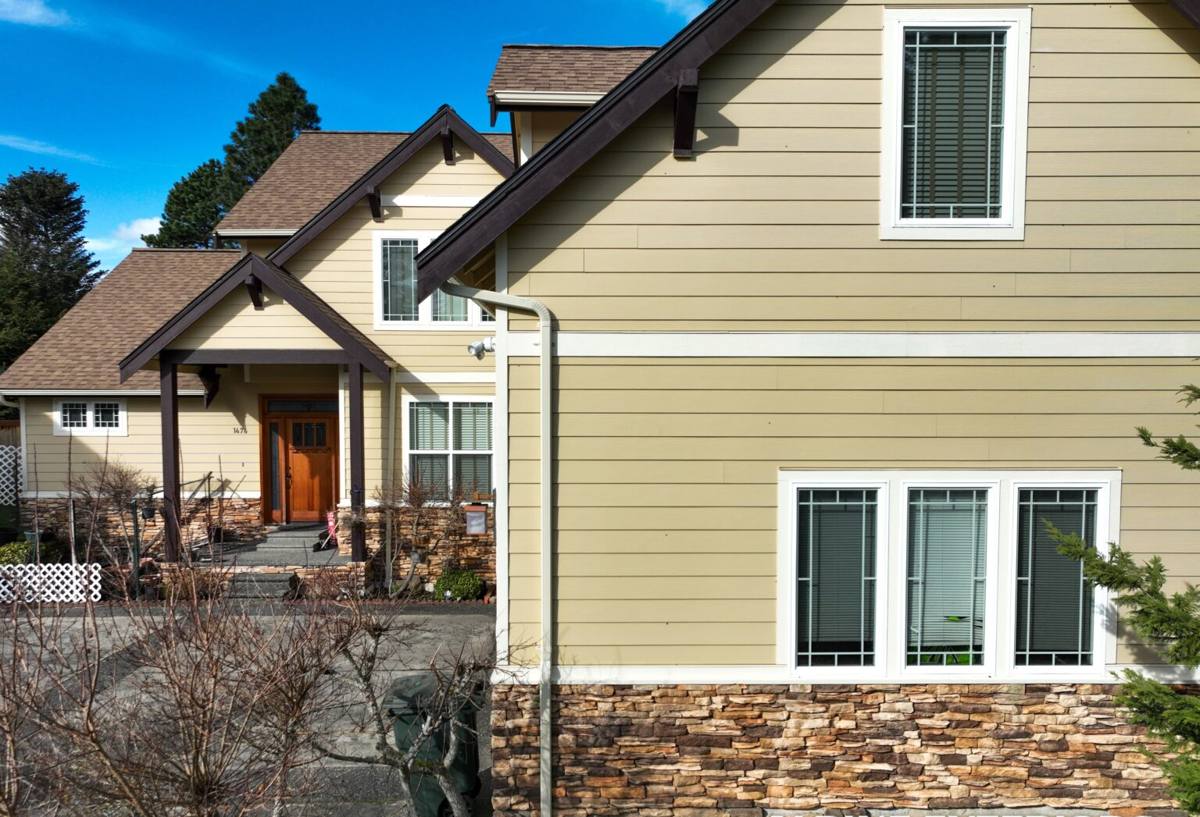
What the Climate Actually Does to Your Windows
Salt Air and Corrosion
Even a few miles inland from the water, airborne salt settles on window frames, hardware, and screens. Over years, that accelerates corrosion on aluminum frames and steel fasteners, pits glass surfaces, and breaks down the seals that keep insulated glass units from fogging. Homes closer to the coast see this happen faster, but no home in the Clearwater area is fully immune to it.
UV Exposure
Florida gets an enormous amount of direct sun year-round, and UV breaks down window seals, weatherstripping, and vinyl or composite frame materials faster than in most other states. This is a major reason older windows develop that yellowed, brittle look at the frame and why seals fail well before the glass itself gives out.
Wind-Driven Rain and Pressure
Tropical storms and hurricane-force winds don't just threaten windows with flying debris — they drive rain sideways under pressure that can force water past poorly sealed or aging frames. Even without a direct impact, a compromised seal during a bad storm can mean water intrusion into the wall cavity, which is a far more expensive problem than the window itself.
Humidity and Condensation
Gulf Coast humidity means any gap in a window's seal shows up quickly as condensation between panes or around the frame. That fogging you sometimes see in older insulated glass is a sign the seal has already failed — it's not something that can be cleaned away, and it typically means the glass unit needs to be replaced.
Impact Windows: What They're Actually For
Impact-rated windows are built with laminated glass and reinforced frames designed to stay intact under wind-borne debris impact and sustained pressure cycling — the two things that cause the most damage during hurricanes. In many Pinellas County jurisdictions, impact-rated products or approved shutter systems are part of what's required to meet current wind-borne debris code in coastal zones, so it's worth checking your specific requirements before you plan a replacement project.
Beyond storm protection, impact windows also tend to perform better day-to-day: the laminated glass blocks a significant amount of UV transmission (which helps protect furniture and flooring from fading), cuts down on outside noise, and adds a layer of security since the glass is far harder to break through than standard panes.
Impact Windows vs. Standard Windows with Shutters
| Factor | Impact Windows | Standard Windows + Shutters |
|---|---|---|
| Storm prep effort | None — always protected | Must install/remove shutters each storm |
| Upfront cost | Higher | Lower |
| UV and noise reduction | Better, all year | Only when shutters are up |
| Curb appeal | Clean, unobstructed look | Visible hardware/tracks |
| Insurance considerations | May help with premiums | Varies by carrier and shutter type |
Neither option is wrong — it comes down to budget, how much storm-prep effort you want to deal with every season, and what your insurance carrier recognizes. We'll walk through the honest trade-offs for your specific home rather than push one option across the board.
Repair, Replace, or Reseal — How We Make the Call
Not every window problem means a full replacement. We look at the actual condition of the frame, glass, and seals before recommending anything.
- Foggy or hazy glass between panes: the seal has failed — this almost always means replacing the glass unit or the whole window, not just cleaning it.
- Sticking or hard-to-operate sliders: sometimes a track cleaning and hardware adjustment fixes it; sometimes the frame has warped or corroded and needs replacing.
- Drafts or water intrusion around the frame: often a caulking and flashing issue rather than the window itself — worth checking before assuming you need new windows.
- Visible pitting or corrosion on aluminum frames: cosmetic at first, but it's a sign the frame's protective finish has broken down and will keep getting worse.
- Single-pane or older non-impact windows in a storm zone: usually the clearest case for replacement, both for storm performance and energy efficiency.
Frame Material Considerations
We don't push one frame material as a blanket answer because each has real trade-offs in this climate:
- Vinyl: low maintenance, doesn't corrode, and performs well against salt air — a common, sensible choice for Gulf Coast homes.
- Aluminum: strong and slim-profile, but needs a quality coating to resist salt corrosion over the long run; lower-grade finishes pit faster near the coast.
- Fiberglass or composite: excellent stability and corrosion resistance, generally at a higher price point.
We'll talk through what makes sense for your home's exposure, budget, and how long you plan to stay in it — there's rarely a single "best" answer that fits every house.
Why a Local Crew Matters for This Kind of Work
Window installation in a hurricane-prone coastal area isn't the same job as window installation somewhere inland. Getting the flashing, sealing, and fastening right around a window opening is what determines whether it actually performs the way it's rated to during a real storm — and that's true whether it's an impact-rated unit or a standard one. A crew that works in Pinellas County day in and day out has seen how these details play out over years of local weather, not just on installation day.
Local permitting and code requirements around wind zones and impact ratings can also vary by jurisdiction. Working with a crew based in the area means someone who already understands what's typically required for your specific location, rather than learning it project by project.
Windows Alongside Your Home's Other Exterior Systems
Windows don't function in isolation — they're one part of a home's overall building envelope, alongside the roof, siding, and other exterior components. A window replacement is often a natural time to check the surrounding siding, trim, and flashing for wear, since all of these systems face the same climate stress. We handle siding, roofing, windows, and decks, so if a window project turns up an issue in an adjacent area, we can address it directly instead of you needing to coordinate multiple contractors.
What to Expect from a Window Project
A typical replacement project runs through a few clear stages: an on-site assessment of your current windows and any related trim or flashing concerns, a straightforward walkthrough of product and budget options, scheduling that accounts for permitting where required, and installation with proper sealing and flashing at every opening. We'll be upfront about timelines and what's involved before any work starts — no pressure, no surprises partway through.
Quick Homeowner Checklist: Signs It's Time to Call
- Glass that looks foggy, hazy, or has visible moisture between panes
- Windows that are difficult to open, close, or lock properly
- Visible corrosion, pitting, or discoloration on the frame
- Drafts, whistling, or noticeable temperature differences near windows
- Cracked, chipped, or single-pane glass in a storm-exposed area
- Rising energy bills without another clear explanation
- Wood rot or soft spots in the surrounding frame or sill
Cost Factors Worth Understanding Upfront
Window project costs vary widely based on several factors, and it's worth understanding what actually drives the number before you start comparing quotes:
| Factor | Why It Matters |
|---|---|
| Impact vs. standard glass | Laminated impact glass costs more upfront but reduces storm-prep and shutter costs over time |
| Frame material | Vinyl, aluminum, and fiberglass differ in upfront cost and long-term maintenance |
| Number and size of openings | Larger or custom-sized windows cost more than standard sizes |
| Structural or flashing repairs | Rot or frame damage found during removal adds to project scope |
| Permitting requirements | Impact-rated replacements in coastal wind zones often require permits, which adds time and fees |
Get a Straightforward, No-Pressure Estimate
If your windows in Clearwater are showing their age — fogged glass, sticky frames, corrosion, or just an old non-impact product you'd like upgraded — we're glad to come take a look and give you an honest read on what you actually need, not a sales pitch for the most expensive option. Use the form below to request a free estimate, and we'll walk the property with you and talk through real options for your home.