 Largo Window
 Windows Built for Life on a Barrier Island
Indian Rocks Beach sits on a narrow strip of sand between the Gulf of Mexico and the Intracoastal Waterway, and that location shapes everything about how windows perform there. Homes here take on conditions that inland Pinellas County properties simply don't see to the same degree: near-constant salt-laden air, intense year-round UV exposure, wind-driven rain that gets pushed sideways under eaves and around frames, and the ever-present risk of hurricane-force wind loading during storm season. Windows that would last two or three decades a few miles inland can show real wear in half that time on the beach.
We work throughout Pinellas County out of Largo, and Indian Rocks Beach is one of the areas where the difference between a window installed for a typical suburban home and one specified correctly for barrier-island exposure really shows up. Getting it right isn't about upselling — it's about matching the product and installation detail to what the house actually faces.
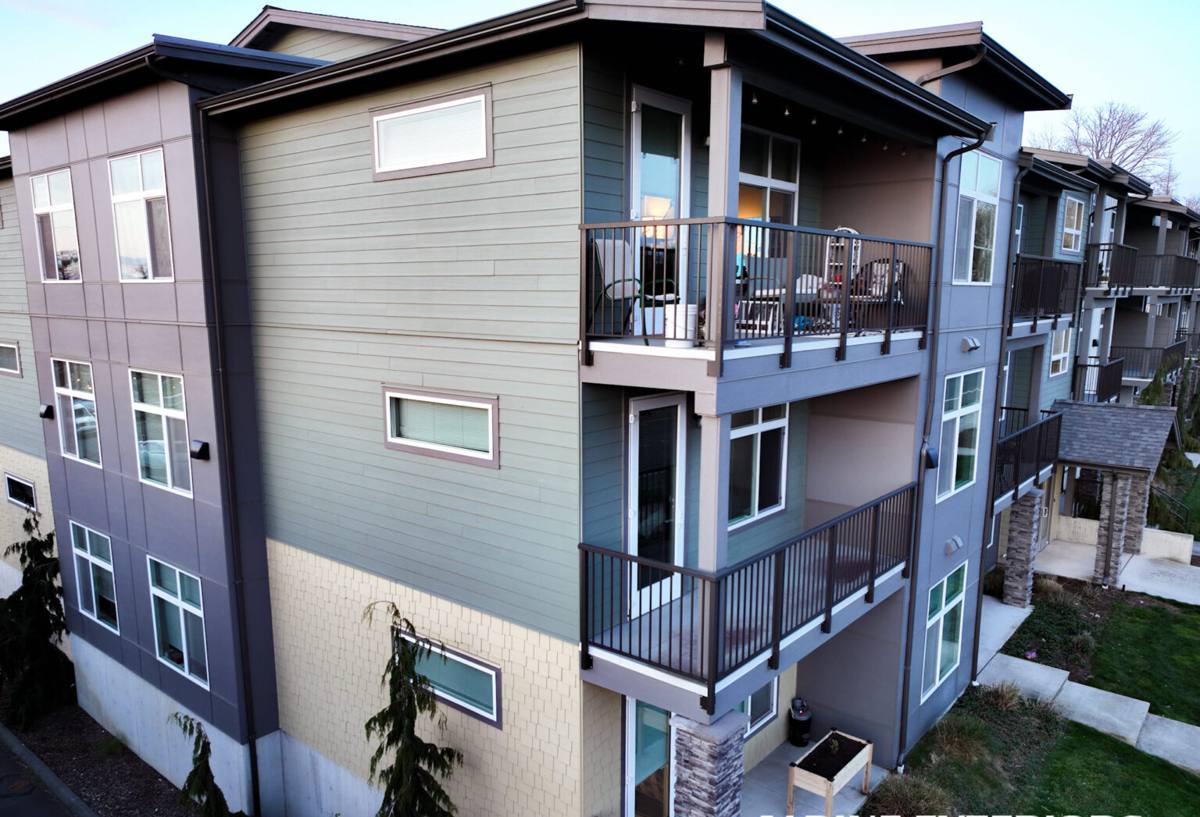
What Coastal Exposure Does to Windows Over Time
Salt Air and Corrosion
Airborne salt settles on everything, including window hardware, screen frames, and metal components inside the sash. Left unaddressed, it accelerates corrosion on lower-grade hardware, pits aluminum finishes, and can work into seals over years of exposure. This is why frame material and hardware coating matter more here than in most of the rest of the county.
UV Degradation
Florida sun is intense in any location, but homes with a clear line to the Gulf get long, unobstructed hours of direct exposure. UV breaks down vinyl over time, causing discoloration and brittleness in lower-quality frames, and it fades interior flooring, furniture, and window treatments through unprotected glass. Glass package matters as much as frame quality for a house exposed like this.
Wind-Driven Rain
During tropical weather and even routine summer storms, wind pushes rain at angles that a typical window seal was never designed to handle inland. Water intrusion around window frames is one of the most common issues we find on older coastal homes, and it's frequently a flashing or installation problem rather than a defect in the window itself.
Wind Load
Sustained high winds and gusts put real structural load on window frames and the anchoring that ties them into the wall. Older single-pane or non-rated windows on an exposed barrier island property are a genuine vulnerability during storm season, both for the glass itself and for what happens to the rest of the house if a window fails and pressure gets inside.
Impact-Rated Windows and Florida Building Code
Pinellas County, including Indian Rocks Beach, falls within Florida Building Code wind-borne debris regions, which means new construction and many replacement projects require windows rated to resist impact from wind-borne debris, or protected by code-compliant shutters. For a coastal property, we generally recommend impact-rated windows outright rather than relying on separate shutter systems — they provide protection around the clock, not just when someone has time to deploy shutters before a storm, and they simplify insurance documentation.
Impact windows use laminated glass, similar in concept to a windshield, bonded to resist penetration even when the outer pane cracks. They also tend to cut down on outside noise, which matters on a barrier island where wind and surf are a constant backdrop.
- Confirm current permit requirements with Pinellas County before any replacement project — requirements can vary by structure age and scope of work
- Ask whether your specific product line carries the design pressure rating appropriate for your home's exposure category
- Keep documentation of impact ratings on file — it's frequently requested for homeowners insurance discounts
Choosing a Frame Material for Salt Air Exposure
Frame material is one of the biggest long-term decisions in a coastal window project. Each option has real trade-offs, and the right call depends on the specific house, budget, and how close it sits to the water.
| Frame Material | Coastal Performance | Maintenance | Typical Trade-Off |
|---|---|---|---|
| Vinyl | Good salt resistance, won't corrode | Low — occasional cleaning | Can discolor over many years of intense direct sun exposure if lower-grade |
| Aluminum | Strong, but prone to pitting/corrosion near salt air over time unless properly coated | Moderate — coating needs monitoring | Excellent structural strength for large openings, but exposed metal needs a quality marine-grade finish |
| Fiberglass | Very strong salt and UV resistance | Low | Higher upfront cost than vinyl |
| Wood/wood-clad | Poor without significant upkeep in salt air | High — regular sealing and inspection | We generally steer coastal clients away from exposed wood frames on barrier-island homes given the maintenance burden |
For most Indian Rocks Beach homes, we point clients toward vinyl or fiberglass impact-rated systems with quality hardware, because they hold up with the least ongoing maintenance. That's a professional recommendation based on how these materials behave in salt air over years, not a knock on any single manufacturer.
Signs Your Current Windows Need Attention
Coastal wear often shows up gradually, and homeowners get used to small issues before recognizing they've added up. Some signs worth acting on:
- Fogging or moisture between panes of double-pane glass — a sign the seal has failed
- Difficulty opening, closing, or locking windows, often from swollen frames or corroded hardware
- Visible pitting, chalking, or discoloration on aluminum or older vinyl frames
- Drafts or a noticeable temperature difference near the window when the AC is running
- Water staining on the wall or sill below a window after storms
- Rising energy bills without another clear explanation
- Cracked or brittle caulking and weatherstripping around the frame
Any one of these on its own might just need a repair. Several at once, especially on a home that's had its original windows for 15-20+ years, usually points toward replacement being the more cost-effective path.
Energy Efficiency and Glass Packages
Glass selection affects comfort and cooling costs as much as it affects storm protection. Low-E (low-emissivity) coatings reduce the amount of solar heat and UV that passes through the glass while still allowing visible light in — important on a home that gets sustained direct sun off the Gulf. Insulated (double-pane) glass with an appropriate Low-E coating and gas fill reduces the load on air conditioning systems that already work hard through a Florida summer, and it cuts down on the fading that intense sun causes to interior furnishings.
We size glass packages to the specific orientation of each elevation of the house rather than treating every window the same — a west-facing window catching late-day sun has different needs than one on a shaded side.
Why a Local Crew Matters for This Kind of Work
Window installation on a coastal barrier-island home isn't just about the product — it's about flashing details, sealant selection, and anchoring that account for how wind and water actually behave against this kind of structure. A crew that works Pinellas County regularly understands the difference between a standard suburban install and what a home exposed to open Gulf wind and salt spray needs. We also know the local permitting process and inspection expectations, which keeps a project moving instead of stalling on paperwork.
Because Largo Window Company also handles siding, roofing, and decks, we look at the whole exterior envelope when we're on-site for a window project — flashing, trim, and water management around openings connect directly to what's happening with the siding and roof edge nearby. A window replaced in isolation, without attention to how it ties into the surrounding wall assembly, is one of the more common causes of leaks we get called out to fix on older coastal homes.
What Affects the Cost of a Window Project Here
| Factor | Why It Matters on the Coast |
|---|---|
| Impact rating and glass package | Laminated impact glass and enhanced Low-E coatings cost more than standard glass but reduce storm and UV-related risk |
| Frame material | Fiberglass and quality vinyl cost more upfront than basic aluminum but generally need less long-term upkeep in salt air |
| Number and size of openings | Larger openings and sliding glass systems require higher design-pressure ratings and cost more per unit |
| Existing condition of the wall opening | Rot, corrosion, or old flashing failures found during removal add scope but are worth addressing rather than covering back up |
| Permitting and inspection | Coastal wind-zone permitting typically requires documentation of design pressure ratings, which is part of doing the job correctly |
We walk through these factors during an on-site estimate so you know what's driving the price before any work starts, not after.
Maintaining Coastal Windows After Installation
- Rinse frames and hardware periodically to remove built-up salt residue, especially after storms
- Keep weep holes in the frame clear of sand and debris so water can drain properly
- Inspect caulking and weatherstripping annually and reseal as needed
- Lubricate locks and moving hardware to prevent salt-related sticking or corrosion
- Have glass seals checked if you notice any fogging between panes
A few minutes of upkeep a couple of times a year meaningfully extends the life of even a high-quality coastal window system.
If you're dealing with aging, corroded, or leaking windows on an Indian Rocks Beach property, or you're planning ahead for storm season, we're happy to come take a look and put together a straightforward, no-pressure estimate — just fill out the form below.