 Largo Window
 Asphalt Shingle Roofing for St. Petersburg Homes
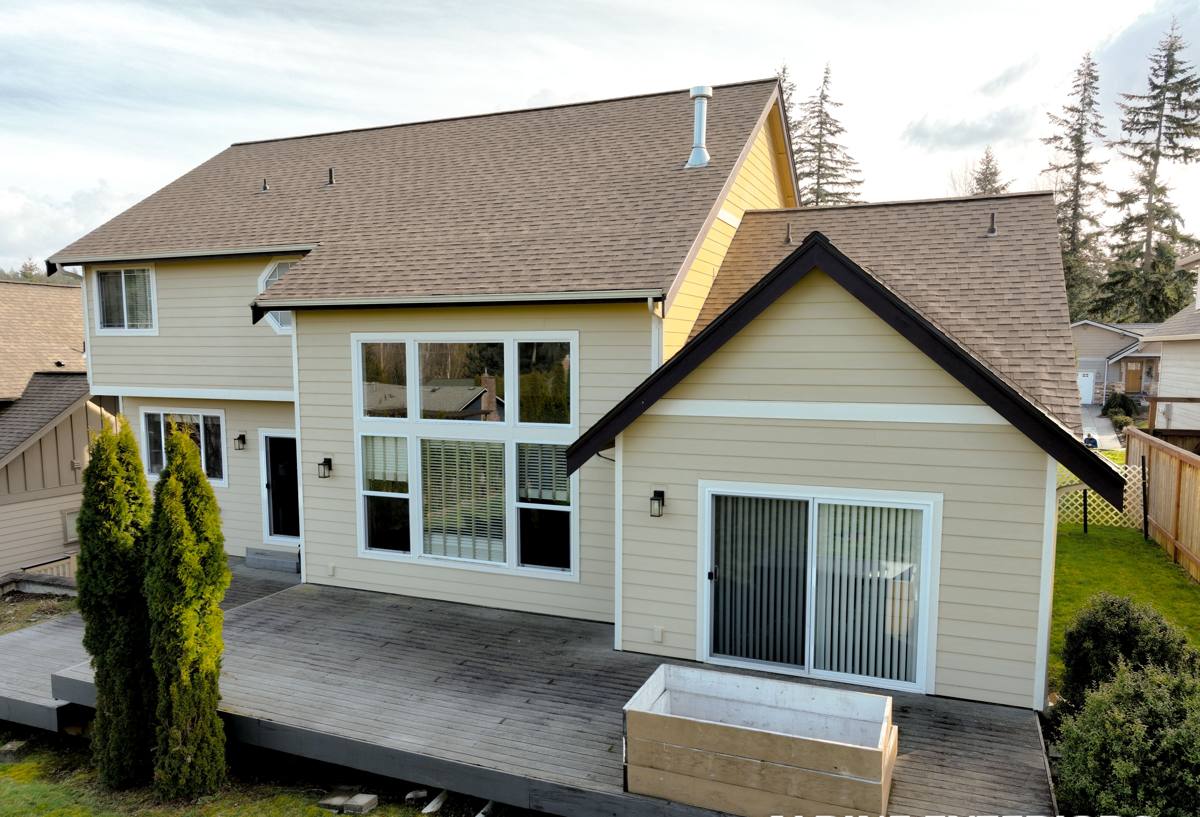
St. Petersburg sits close enough to Tampa Bay and the Gulf that its roofs take a beating most inland homes never see. Asphalt shingles are still the most practical choice for the majority of houses in this part of Pinellas County — they're affordable, repairable, and when installed correctly they hold up well against hurricane-force wind gusts, relentless UV exposure, and salt-laden air. The catch is that phrase: "installed correctly." A shingle roof that's cut corners on underlayment, nailing, or flashing will fail early here, often in ways that aren't obvious until a storm finds the weak spot. This page covers what an asphalt shingle roof actually needs to hold up in St. Petersburg, and what our process looks like when we're on your roof.
What This Climate Does to a Shingle Roof
Every coastal Florida roof deals with the same four stressors, but St. Petersburg gets a concentrated dose of all of them at once.
Wind
Hurricane-force wind doesn't just rip shingles off — it works underneath the edges and tabs first, prying at any spot where sealant strips didn't bond properly or nails were placed too high. Once wind gets under one shingle, it peels its neighbors like a zipper. This is almost always a workmanship issue, not a shingle quality issue.
UV Exposure
Florida sun runs nearly year-round at a punishing angle. UV breaks down the asphalt in shingles over time, drying out the oils that keep them flexible and causing granules to shed. A shingle that's lost too many granules loses its UV shield and ages faster from that point forward — it's a slow curve that accelerates.
Wind-Driven Rain
Straight-down rain is easy for any roof to shed. Wind-driven rain comes in sideways and can find its way under shingle tabs, around flashing, and into exposed nail heads. This is why flashing detail and underlayment matter as much as the shingles themselves — the shingles are the first line of defense, not the only one.
Salt Air
Being close to the water means airborne salt settles on every exterior surface, including the roof. Salt accelerates corrosion on exposed metal — nail heads, flashing, vent boots, and drip edge — which is why fastener and flashing material choice matters more here than it would fifty miles inland.
What a Correct Installation Actually Involves
A shingle roof is a system, not a single product. Skipping or shortcutting any layer below the shingles is where most premature failures start.
- Deck inspection and repair — plywood or OSB sheathing gets checked for soft spots, delamination, and proper nailing before anything new goes down.
- Underlayment — a synthetic or self-adhering underlayment provides the true water barrier beneath the shingles; this layer is what protects the house if shingles are damaged or lifted in a storm.
- Drip edge and flashing — metal edging at eaves and rakes, plus step and counter flashing at walls, chimneys, and roof-to-roof transitions, directs water away from the vulnerable seams.
- Ventilation — intake and exhaust venting keeps attic temperatures and moisture in check, which extends shingle life and helps prevent deck rot.
- Nailing pattern — correct nail count and placement per shingle, driven flush (not overdriven or underdriven), is one of the biggest factors in wind performance.
- Shingle installation — proper offset, exposure, and sealant strip activation so tabs bond down fully.
When we quote a roof, we're pricing this whole system — not just shingles on a truck.
Shingle Options and Wind Performance
Not all asphalt shingles perform the same in coastal wind. The table below covers the general categories homeowners in St. Petersburg choose between.
| Shingle Type | Typical Wind Rating | Notes for This Area |
|---|---|---|
| 3-tab shingles | Lower wind ratings, generally 60–70 mph | Lightweight and budget-friendly, but the individual tabs are more exposed to wind lift; less common in high-wind coastal zones now |
| Architectural (laminated) shingles | Higher wind ratings, commonly rated well above 100 mph when installed to spec | Heavier, multi-layer construction resists wind uplift better and holds granules longer under UV exposure; the standard choice for most St. Petersburg roofs today |
| Impact-rated (Class 4) shingles | Same high wind ratings as architectural, plus impact resistance | Worth discussing with your insurance carrier — some offer premium discounts for Class 4 roofing given the storm and hail exposure in this region |
The wind rating on the shingle wrapper is only accurate if the installation matches the manufacturer's nailing and sealing requirements. A high-wind-rated shingle installed with a sloppy nailing pattern performs like a cheap one.
Signs Your St. Petersburg Roof Needs a Look
Most shingle roof problems give warning signs well before a leak shows up inside the house. Worth checking after any strong storm or once a year as routine maintenance:
- Shingles that look curled, cupped, or are missing granules in patches
- Bald or shiny spots where granule loss has exposed the asphalt underneath
- Missing or lifted tabs, especially near ridges, edges, and valleys
- Rust streaking or corrosion around vent boots, flashing, or exposed fasteners
- Soft or spongy spots when walked (a sign of deck damage beneath the shingles)
- Granules collecting in gutters or at downspout discharge points
- Daylight visible through the roof deck from inside the attic
- Water stains on interior ceilings, especially near chimneys, skylights, or wall intersections
Catching these early is almost always cheaper than waiting — a small flashing repair now is a fraction of the cost of a deck replacement after sustained water intrusion.
Repair or Replace?
Not every damaged roof needs full replacement. The right call depends on the roof's age, the extent of the damage, and how it's distributed.
| Factor | Leans Toward Repair | Leans Toward Replacement |
|---|---|---|
| Roof age | Under 10–12 years | Approaching or past the shingle's expected service life |
| Damage extent | Isolated area (single slope, one leak point) | Widespread granule loss, multiple leak areas, or storm damage across most of the roof |
| Deck condition | Sound, no soft spots found | Soft decking, delamination, or visible rot in multiple areas |
| Insurance involvement | Minor, targeted claim | Storm damage claim covering full roof replacement |
We'll tell you honestly which side of that line your roof falls on. A roof that only needs a repair doesn't need a sales pitch for a full replacement — and a roof that's genuinely at the end of its life shouldn't keep getting patched.
Our Process
Inspection
We start by getting on the roof, not just looking at it from the ground. That means checking the deck condition where accessible, flashing details, ventilation, and the overall shingle condition, then walking you through what we find in plain terms.
Scope and Estimate
You get a written estimate that spells out what's included — tear-off, deck repair allowance, underlayment type, flashing work, shingle product, and cleanup — so there's no guessing what you're paying for.
Installation
Tear-off down to the deck, deck repairs as needed, underlayment, flashing, and shingles installed to the manufacturer's high-wind specifications. We don't shortcut nail counts or skip flashing details to save time.
Cleanup and Final Walkthrough
Job site cleared of debris and nails (magnetic sweep included), then a final walkthrough so you can see the finished work before we consider the job done.
Why Hire a Crew That Already Works in St. Petersburg
Roofing code requirements, permitting, and wind-mitigation standards in Pinellas County reflect the storm exposure this part of Florida deals with — a crew that works these neighborhoods regularly already knows what inspectors look for and what the current wind-uplift requirements mean for nailing patterns and underlayment. That familiarity shows up in fewer surprises during permitting and inspection, and in a roof that's actually built for the conditions it will face here rather than a generic installation. It also means a local point of contact after the job is done, not a crew that installed your roof and then disappeared out of the area.
Maintenance That Extends Roof Life Here
A little routine attention goes a long way on a coastal roof:
- Keep gutters and valleys clear so water doesn't pool or back up under shingles
- Trim back overhanging branches that scrape shingles or drop debris
- Have the roof looked at after any major wind event, even if nothing looks obviously wrong from the ground
- Address small leaks or lifted shingles promptly rather than waiting for the next storm season
- Rinse off heavy salt or debris buildup periodically rather than pressure washing, which can strip granules
If you're noticing any of the warning signs above, or it's simply been a while since your roof was checked, we're happy to take a look. Fill out the form below for a free, no-pressure estimate — we'll give you a straight answer on what your roof needs, whether that's a repair, a replacement, or nothing at all right now.