 Largo Window
 Living on Redington Beach: What the Climate Does to a Home
Redington Beach sits right on the Gulf, which means every exterior surface on a home here is doing double duty compared to a house a few miles inland. Salt-laden air, near-constant humidity, intense UV exposure, and the real possibility of hurricane-force wind and wind-driven rain are just part of owning property on this stretch of Pinellas County. None of that is a reason to avoid the beach lifestyle — it just means the materials and installation choices on your home need to match the environment they're actually sitting in, not a generic Florida spec.
Salt Air and Corrosion
Salt spray travels further inland than most homeowners expect, and it settles on everything: window frames, hardware, fasteners, roof flashing, railings. Over years, ordinary metals corrode, finishes chalk and pit, and hardware that isn't rated for coastal exposure starts to stick, seize, or fail early. This is a slow process, which is part of why it's easy to underestimate until a window won't latch properly or a hinge has visibly rusted.
Wind, Pressure, and Wind-Driven Rain
Pinellas County's building code reflects the real risk of tropical storms and hurricanes, and a barrier island community like Redington Beach sees that risk directly. Wind doesn't just push — it creates pressure differences that stress glass, frames, and the seals around them, and it drives rain sideways with enough force to find any gap in flashing, caulking, or an aging window frame. A window or door that isn't properly rated and installed for this kind of load isn't just uncomfortable in a storm; it's a real point of failure.
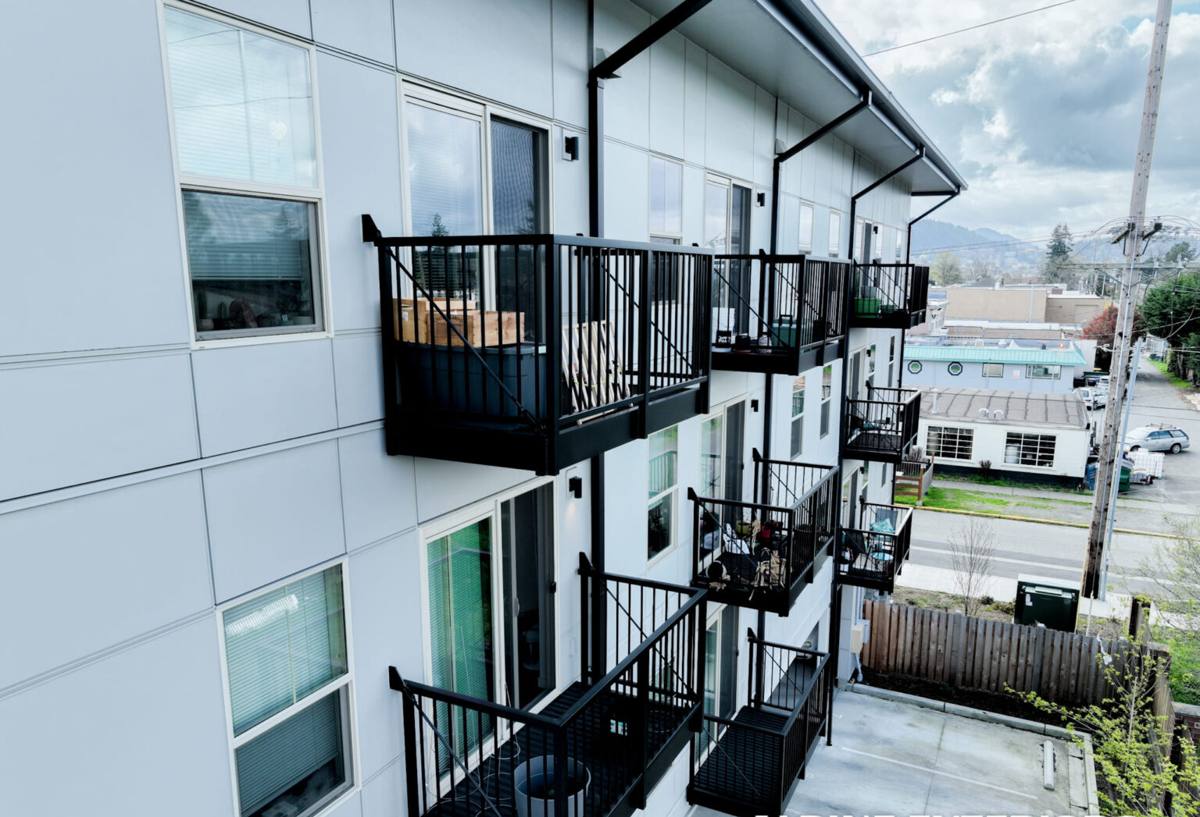
Windows That Can Handle Salt Air and Storm Wind
For a home in Redington Beach, we treat window selection as a coastal-specific decision, not an afterthought. That starts with impact-rated glass and frames tested to the wind loads relevant to this area, and it continues through hardware, weatherstripping, and flashing details that are easy to skip but matter enormously once salt air and storm season start working on a house year after year.
Impact-Rated Glass
Impact-rated windows use laminated glass that stays intact even when struck by wind-borne debris, which is the real threat during a storm — not just the wind itself, but what the wind is carrying. Impact glass also has a side benefit for daily living on the Gulf: it cuts down on UV transmission and outside noise, both of which are constant here.
Frame Material and Hardware
Frame material matters as much as the glass. Some materials handle sustained salt exposure and humidity better than others, and hardware that isn't corrosion-resistant will be the first thing to fail on a beachfront home, regardless of how good the frame is. We size and spec every installation to the specific exposure of the home — a house facing the water directly is a different job than one set back a couple of streets.
Common Frame Materials for Coastal Homes
| Material | Coastal Durability | Maintenance | Trade-offs |
|---|---|---|---|
| Vinyl | Good — won't rust or corrode | Low; occasional cleaning | Can discolor or become brittle under years of intense UV if lower quality |
| Fiberglass | Very good — dimensionally stable, resists salt and moisture | Low | Higher upfront cost than vinyl |
| Aluminum | Strong but prone to corrosion near salt air unless properly coated | Moderate — coatings need monitoring | Good strength-to-weight; needs the right finish for direct Gulf exposure |
| Wood | Poor in direct salt exposure without diligent upkeep | High | Attractive but a heavy maintenance commitment this close to the water |
We'll walk through these trade-offs honestly for your specific property — a home directly on the water and one a few blocks back don't always need the same spec, and there's no reason to pay for more protection than your exposure actually calls for.
Beyond Windows: Siding, Roofing, and Decks Facing the Same Elements
Windows don't fail in isolation — they're one piece of an exterior envelope that's under the same stress from the same climate. We work on siding, roofing, and decks for exactly this reason: a house is a system, and problems in one area often show up as symptoms in another.
Siding
Siding on a Redington Beach home absorbs direct salt spray and UV on top of normal wind and rain exposure. Seams, fastening patterns, and flashing around windows and doors are where failures actually start, more often than the siding material itself. Poor flashing at a window opening can let water into the wall assembly long before any visible siding damage shows up.
Roofing
A roof on the barrier island takes wind uplift, salt exposure, and UV degradation simultaneously. Roofing decisions here should account for wind rating, proper attachment, and how the material ages under constant sun and salt — not just upfront appearance or cost.
Decks
Outdoor living is a big part of why people choose to live on the beach, and decks here take a beating from humidity, salt, and sun that inland decks simply don't see. Material choice and proper fastening — again, corrosion-resistant hardware — determine whether a deck holds up or starts showing rot and rust within a few seasons.
Why a Local Crew Matters in a Community Like This
Redington Beach and the surrounding Pinellas County coastline aren't like the rest of the Tampa Bay area, and they're not like most of Florida either. Wind load requirements, flood and coastal construction considerations, and the sheer intensity of salt exposure are all site-specific factors that a crew working here regularly understands in a way a company unfamiliar with the barrier islands won't.
Being based out of Largo means we're a short drive from Redington Beach, which matters for more than convenience. It means faster response for estimates, easier scheduling around the area's seasonal traffic and access patterns, and a crew that's installed windows, siding, roofing, and decks on homes facing this exact combination of wind, salt, and UV — not a generalized coastal spec pulled from somewhere else in the state.
Our Process for Redington Beach Homes
Every property on the water has its own exposure profile, so we don't start with a fixed package. Here's what the process typically looks like:
- On-site assessment of your home's specific exposure — direct waterfront, a few blocks back, elevation, prevailing wind direction
- Review of existing windows, siding, roofing, or deck condition, including hardware and flashing, not just surface appearance
- Discussion of material and product options with honest trade-offs, matched to your exposure and budget rather than upsold to the maximum spec
- Permitting handled correctly for Pinellas County and local requirements before any work begins
- Installation with attention to the details that actually determine coastal performance — flashing, sealing, fastener choice, and proper technique around every opening
- A clear explanation of what maintenance, if any, the finished work will need going forward
Signs Your Home's Exterior Is Losing the Fight
Coastal wear is gradual, so it's easy to miss until something fails outright. Keep an eye out for:
- Windows or doors that stick, don't latch fully, or let in noticeably more outside noise than they used to
- Visible corrosion or pitting on window hardware, hinges, or railings
- Fogging or moisture between panes of double-pane windows, which signals a broken seal
- Chalky, faded, or peeling exterior siding finish
- Soft spots, discoloration, or rot on deck boards or framing
- Curling, cracking, or missing roof shingles or tiles, especially after a windy season
- Drafts or water intrusion around window and door frames during wind-driven rain
Any one of these is worth a look before storm season, not after.
Caring for Your Exterior Between Projects
A few habits go a long way in this climate. Rinsing salt residue off windows, hardware, and siding periodically helps slow corrosion and buildup, especially after long dry stretches without rain to wash it off naturally. Keeping an eye on caulking and weatherstripping around windows and doors catches small gaps before they become water intrusion points. And having your roof and deck fasteners checked periodically — not just the visible surface — catches the corrosion issues that tend to start out of sight.
Let's Talk About Your Home
If you own a home in Redington Beach and you're noticing wear on your windows, siding, roofing, or deck — or you'd simply rather get ahead of what the Gulf climate does to a house over time — we're glad to take a look. We'll give you a straight assessment of what your home actually needs, with no pressure and no inflated recommendations. Fill out the form below to schedule a free estimate with our Largo-based crew.