 Largo Window
 Belleair Beach Sits in a Tougher Climate Than Most Window Installers Plan For
Belleair Beach is a barrier island community, which means every window on every home there is doing more work than a window a few miles inland. Salt-laden air moves through the neighborhood constantly, the sun sits on these homes nearly year-round, and when storms roll in off the Gulf, wind-driven rain and hurricane-force gusts hit the building envelope directly. Windows here aren't just an aesthetic upgrade or an energy-efficiency line item — they're a barrier between a family and some of the harshest residential conditions in Pinellas County.
A window that performs fine in a subdivision ten miles inland can fail early on a barrier island. That's not a knock on any particular product — it's just physics. Salt air corrodes hardware faster, UV breaks down seals and frame finishes faster, and wind loads on an exposed coastal lot are higher than a standard suburban wind study would assume. Custom windows for Belleair Beach means specifying and installing for those realities, not for a generic Florida average.
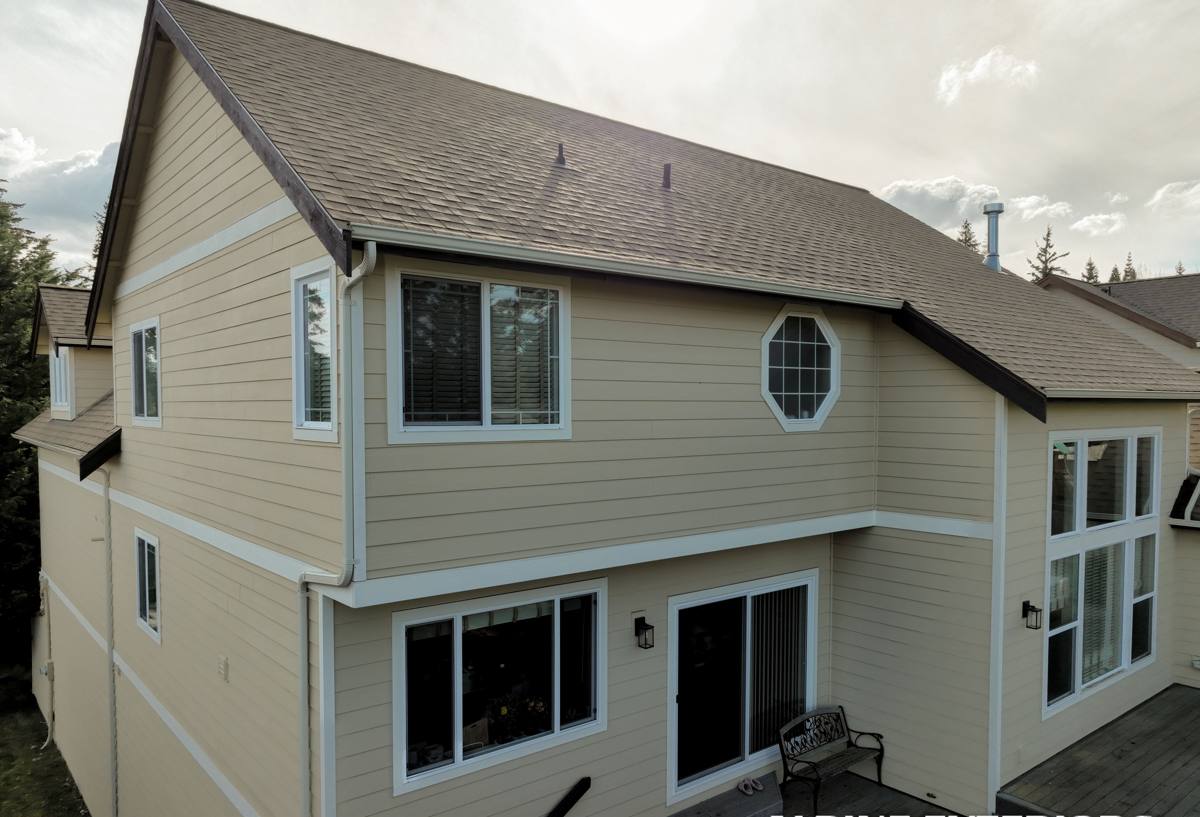
What the Local Climate Actually Does to a Window Over Time
Salt Air and Corrosion
Airborne salt settles on every exterior surface, including window frames, hardware, and weep systems. Over years, it accelerates corrosion on lower-grade fasteners, hinges, and balance mechanisms, and it can etch or dull finishes that aren't rated for coastal exposure. This is why frame material and hardware coating matter more here than they would 20 miles inland.
UV Exposure
Florida sun is intense almost every day of the year. Constant UV exposure breaks down inferior vinyl compounds, dries out and cracks weatherstripping and sealants faster, and can fade interior finishes near the glass line. Glass packages and frame materials both need to be chosen with that cumulative exposure in mind.
Wind-Driven Rain
It isn't just wind speed that matters — it's rain being pushed sideways and even upward against a wall during a storm. A window that seals well in a light rain can still leak in wind-driven conditions if the flashing, sill pan, and installation details weren't done correctly. Most water intrusion problems we find in coastal homes trace back to installation, not the window unit itself.
Hurricane-Force Wind Loads
Exposed coastal lots see higher effective wind pressures than the same size home set back from open water. Window assemblies, anchoring, and glass packages all need to be sized to the actual exposure category of the lot, not a generic countywide minimum.
What a Correct Custom Window Job Involves on a Barrier Island
"Custom" doesn't just mean the window is built to your exact opening size — though that matters too, since older Belleair Beach homes often have openings that don't match modern standard sizing. A correct job for this location also means:
- Confirming the wind pressure rating required for the specific lot and building height, not assuming one rating fits the whole street
- Selecting a glass package (impact-rated laminated glass or an approved protective system) that matches the home's actual exposure
- Using frame materials and hardware finishes suited to sustained salt exposure
- Installing correct flashing and a sloped sill pan so any water that does reach the opening drains back out instead of into the wall
- Sealing and fastening to the manufacturer's specifications, not a shortcut version, since the fastening schedule is part of what makes a window's wind rating valid
- Pulling the required permit and getting it inspected, so there's a documented record the work meets code
Skip any one of those and you can end up with a window that looks right, costs the same, and still underperforms the first time a real storm hits it.
Comparing Window Approaches for a Coastal Home
There's more than one legitimate way to protect a window opening in a high-wind coastal zone. Each has real trade-offs worth understanding before you decide.
| Approach | How It Works | Trade-offs Worth Knowing |
|---|---|---|
| Impact-rated windows (laminated glass) | Glass and frame assembly engineered to resist wind-borne debris and stay intact under storm pressure | Higher upfront cost than standard glass; no separate shutters to store, deploy, or maintain |
| Standard windows + accordion or roll shutters | A non-impact window paired with a separate protective system deployed before a storm | Lower window cost, but requires someone home (or hired) to close shutters before every storm, and shutters need their own maintenance |
| Standard windows + panel shutters | Removable panels installed ahead of a storm | Lowest cost option, but storage, labor, and timing all fall on the homeowner every season |
We'll walk through which approach fits your home, your budget, and how much manual storm prep you actually want to deal with each season — there's no single right answer for every property.
Frame Material Considerations for Salt Air Exposure
Vinyl, aluminum, and fiberglass all show up in coastal window projects, and each behaves differently under years of salt and UV exposure. Vinyl formulated for coastal use resists corrosion entirely since it has no metal components exposed to salt air, but lower-grade vinyl can become brittle under constant UV over time. Aluminum is strong and slim-profile but requires a marine-grade or coastal-rated finish to resist corrosion long-term — standard finishes can pit and corrode faster near open water. Fiberglass holds up well to both UV and salt but tends to carry a higher price point. We'll talk through which material makes sense for your specific home rather than defaulting to whatever is easiest to install.
Our Process for Belleair Beach Projects
1. On-Site Assessment
We look at the actual openings, the home's exposure to open water and prevailing wind, existing signs of water intrusion, and how the current windows have held up. This isn't a generic quote built off a phone call — it's based on what your specific home is dealing with.
2. Product and Glass Package Selection
Based on that assessment, we recommend the frame material, glass package, and protection approach that fits both the code requirements for your lot and your actual budget and maintenance preferences.
3. Accurate Measurement and Custom Fabrication
Older coastal homes rarely have perfectly standard openings. We measure precisely and order windows built to those exact dimensions rather than forcing a standard size into an opening that doesn't match.
4. Correct Installation
This is where most long-term problems are actually prevented or created. Proper flashing, sill pans, fastening schedules, and sealing are done to manufacturer specification — not a faster version of it.
5. Permitting and Inspection
We handle the permit process and make sure the finished work is inspected and documented, so you have a real record that the installation meets current Florida Building Code requirements for your area.
Signs Your Current Windows Are Already Losing the Fight
If you're not sure whether your windows still hold up to what Belleair Beach throws at them, look for these signs:
- Visible corrosion or pitting on frames, hinges, or locking hardware
- Cracked, brittle, or missing weatherstripping around the sash
- Water staining on interior walls or sills below or beside a window after storms
- Frames that feel warm to the touch on the interior side during peak sun hours
- Difficulty opening, closing, or locking a window that used to operate smoothly
- Fogging or moisture between panes on insulated glass units
- Visible daylight or drafts around the frame perimeter
Any one of these on its own might be minor. Several together usually mean the windows are past the point where repair makes more sense than replacement.
Why Hiring a Crew That Already Works This Area Matters
A contractor who regularly works Belleair Beach and the surrounding Largo and Pinellas County coastline already understands the wind exposure categories that apply to barrier island lots, has relationships with the local permitting process, and has seen firsthand how different products age in this specific environment over years, not just in a lab test. That's different from a crew that mostly works inland jobs and treats a coastal home like any other. The building code requirements, the salt exposure, and the storm risk here are all real variables — not boxes to check on a generic estimate form.
Maintenance That Actually Extends Window Life Here
Even correctly installed, high-quality windows benefit from basic coastal maintenance: rinsing salt residue off frames and glass periodically, keeping weep holes clear of debris and sand so water drains properly, checking hardware and locks for early signs of corrosion, and having seals and caulking inspected every couple of years rather than waiting for a visible leak. A few minutes of upkeep a few times a year is far cheaper than dealing with a hidden water intrusion problem down the line.
If you're weighing a window replacement or repair for a Belleair Beach home, we're glad to walk the property with you, explain what we're seeing, and put together a straightforward, no-pressure estimate. There's a form below whenever you're ready to get started.