 Largo Window
 Belleair Bluffs is a small, tightly packed community wedged between Largo, Belleair, and the Intracoastal Waterway, and that location puts a deck through more punishment than most homeowners expect. Between the salt-laden air coming off the water, the sun beating down nearly every day of the year, and the wind and rain that come with Gulf Coast storm season, an outdoor structure here has to work harder than the same deck would somewhere inland. We build and repair decks throughout the Largo area, and Belleair Bluffs is one of the neighborhoods where the gap between a deck built for this climate and one that wasn't shows up the fastest — sometimes within a single summer.
What Belleair Bluffs' Climate Actually Does to a Deck
A deck in this part of Pinellas County is fighting a combination of stresses at once, not just one. Intense, near-daily UV exposure breaks down wood fibers and fades or chalks lower-grade finishes faster than most people realize. Salt air drifting in off the Intracoastal and the Gulf accelerates corrosion on any exposed metal — nails, screws, joist hangers, railing hardware — long before the visible boards show real wear. Wind-driven rain during our summer storm season and hurricane season pushes water into joints and connections that would stay dry in a calmer climate, and that moisture cycling — wet, then baked dry by the sun, over and over — is what eventually splits boards, loosens fasteners, and rots framing from the inside out.
None of this means a deck can't hold up well here. It means the material choices and the construction details matter more in Belleair Bluffs than they would in a milder or more sheltered location, and cutting corners on either one tends to get expensive fast.
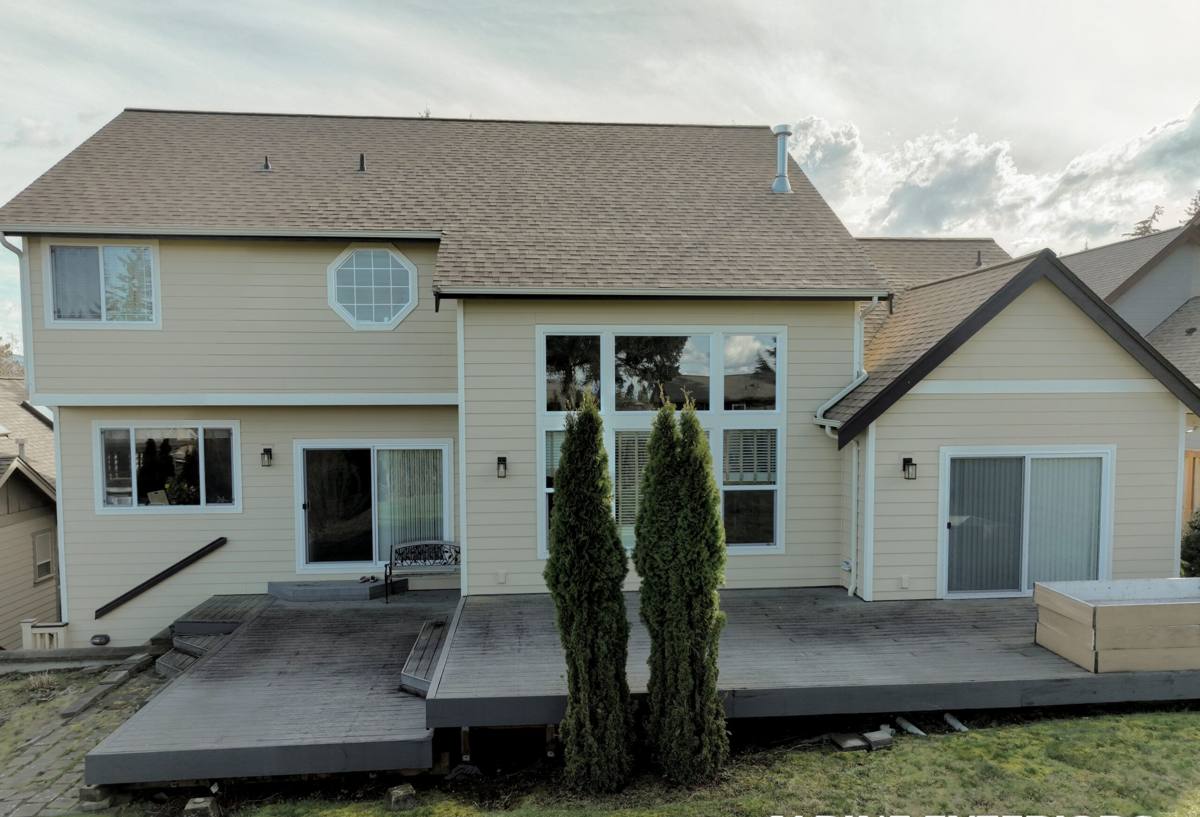
Decking Material: What Actually Holds Up Here
Homeowners usually start this conversation asking about wood versus composite, and the honest answer is that both can work — but they carry very different maintenance obligations in this climate, and that's worth being upfront about before you decide.
| Factor | Wood Decking | Composite / PVC Decking |
|---|---|---|
| UV resistance | Fades and grays without regular finish maintenance | Color is engineered into the material; fades more slowly |
| Moisture behavior | Absorbs and releases moisture with weather cycles; needs sealing | Resists moisture absorption; doesn't swell or cup the same way |
| Salt air exposure | Finish breaks down faster near open water; needs closer attention | More stable under salt exposure, though fasteners still need to be corrosion-resistant |
| Maintenance routine | Cleaning, sanding, and refinishing every 1–2 years is realistic here | Periodic washing; no sealing or staining required |
| Upfront cost | Generally lower | Generally higher |
| Feel underfoot / heat | Stays cooler in direct sun for most species | Darker composite colors can get noticeably hot in full Florida sun |
Wood decking, when properly sealed and kept up with, still has a place in Belleair Bluffs — it's less expensive up front and some homeowners genuinely prefer the look and feel. But we're honest that it's a maintenance commitment, not a one-time install, in a climate this intense. Composite and PVC decking cost more initially but shift the burden away from ongoing finish work, which is a trade a lot of homeowners near the water end up preferring once they've lived through a season or two of upkeep on wood.
Why We're Careful About Which Products We Install
Not every decking product on the market is a good fit for this exposure. Lower-grade composite blends with a high wood-flour content can absorb more moisture than premium composite or PVC boards, which matters when a deck sits exposed to salt air and repeated wet-dry cycles. Untreated or under-treated lumber is a poor match for this climate regardless of price. We'd rather steer a homeowner toward a product that will actually perform here than sell whatever's cheapest and have it fail early — that's a standard we hold to on every job, not a sales pitch.
What's Underneath Matters More Than What's on Top
The decking boards are what you see and walk on, but the framing, footings, and fasteners underneath are what actually determine how long a deck lasts — and they're the part most likely to get shortchanged on a rushed or budget build. In Belleair Bluffs specifically, a few details deserve extra attention:
- Ledger board attachment — where the deck connects to the house is the single most common failure point on older or poorly built decks, and it needs correct flashing to keep water out of the wall structure behind it
- Corrosion-resistant fasteners and hardware — standard-grade screws, nails, and joist hangers corrode faster near the water; hardware rated for coastal or marine exposure is worth the difference in cost
- Footing depth and sizing — footings need to be sized and set correctly for Pinellas County soil conditions and local code, not guessed at
- Joist spacing and beam sizing — undersized framing might pass a casual look but won't hold up to wind uplift or normal foot traffic loads over time
- Proper flashing at every connection point — anywhere two materials meet is a place water can get in if it isn't detailed correctly
A deck that looks fine on the surface can still have a compromised ledger connection or corroding hardware underneath if it wasn't built with this climate in mind. Those problems don't usually announce themselves until something fails.
Permits, Codes, and Wind Ratings in Pinellas County
Deck construction in Pinellas County is subject to local building code, and that typically means a permit and inspection process for anything beyond very minor repair work. Code requirements exist for a reason here — this part of Florida is built to account for hurricane-force wind loads, and a deck attached to your home needs to be engineered and fastened to hold up under that kind of stress, not just under normal weather. Skipping the permit process might save time upfront, but it can create real problems later: unpermitted structures can complicate a home sale, cause issues with insurance claims, and in some cases require costly rework to bring up to code after the fact. We pull the proper permits and build to code as a matter of course, not as an upsell.
Our Deck-Building Process
1. On-Site Assessment
We start by looking at the actual site — how exposed the location is to sun, wind, and water, what the existing structure (if any) looks like underneath, and what the homeowner actually wants to use the space for. That shapes the material and design recommendation more than a generic template would.
2. Honest Material and Design Discussion
We walk through the real trade-offs between wood and composite or PVC decking for that specific property, including realistic maintenance expectations, so the decision is made with full information rather than a sales pitch.
3. Permitting and Planning
We handle the permit process and make sure the design meets Pinellas County code, including the structural requirements tied to local wind load standards.
4. Construction
Framing, footings, and fastening get the same attention as the visible decking — because that's the part that determines whether the deck is still solid in ten years, not just how it looks on day one.
5. Final Walkthrough
We go over the finished deck with the homeowner, confirm everything meets the agreed scope, and make sure any maintenance expectations for the chosen material are clearly understood before we leave.
Keeping a New Deck Looking Good in This Climate
Whatever material you choose, a little routine attention goes a long way in Belleair Bluffs' sun and salt air. A short seasonal checklist:
- Rinse off salt residue and debris periodically, especially after storms or windy stretches off the water
- For wood decking, inspect the finish annually and plan on resealing or restaining roughly every 1–2 years depending on sun exposure
- Check railing connections and stair fasteners for looseness or early corrosion, particularly on the side of the deck most exposed to wind
- Look underneath periodically at the ledger connection and framing for signs of moisture staining or soft wood
- Keep gutters and nearby drainage clear so water isn't draining directly onto or under the deck structure
Why a Local Largo Crew Matters for Belleair Bluffs
Belleair Bluffs is a small community, but it's not uniform — a deck facing the Intracoastal side of the neighborhood deals with a different level of salt exposure and wind than one tucked further inland toward Largo, and a good contractor should already know that going in. A crew that works this area regularly has a feel for which fasteners actually hold up here, which decking products are worth the extra cost, and which construction shortcuts tend to fail first in this specific combination of heat, salt, and storm exposure. That's the kind of judgment that comes from doing this work locally and often, not from a crew that occasionally drives in from somewhere else in the Tampa Bay area.
What to Ask Before Hiring for Deck Work Here
- Ask whether the fasteners and hardware being used are rated for coastal or marine exposure, not just standard-grade
- Confirm the contractor is pulling the required Pinellas County permits, not working around them
- Get a clear explanation of how the ledger board connection to your home will be flashed and sealed
- Ask what the realistic maintenance schedule looks like for whatever decking material you're considering
- Verify the contractor is licensed and insured to perform this work in Florida
Every property in Belleair Bluffs sits a little differently relative to sun, wind, and the water, and the right deck design and material depend on your specific home and how you plan to use the space. If you're considering a new deck or need an honest look at an existing one, we're happy to come take a look and talk through your options with no pressure to commit — reach out below for a free estimate.