 Largo Window
 Board & Batten Siding Built for a Barrier Island Address
Redington Shores sits right up against the Gulf, and that location shapes everything about how siding should be built and installed there. Board and batten is one of the most requested looks in this part of Pinellas County right now — the clean vertical lines read as coastal-modern or classic Florida cottage depending on the trim and color, and it works on everything from a small beach bungalow to a larger remodel a few blocks off the water. But the style is only as good as the material and the installation behind it. On a barrier island community like Redington Shores, the wrong board and batten system can look great for a year or two and then start showing problems that a homeowner further inland wouldn't see for a decade.
This page focuses specifically on board and batten siding for homes in and around Redington Shores — what the local climate demands from it, what a correct installation actually involves, and why we install it in one material only.
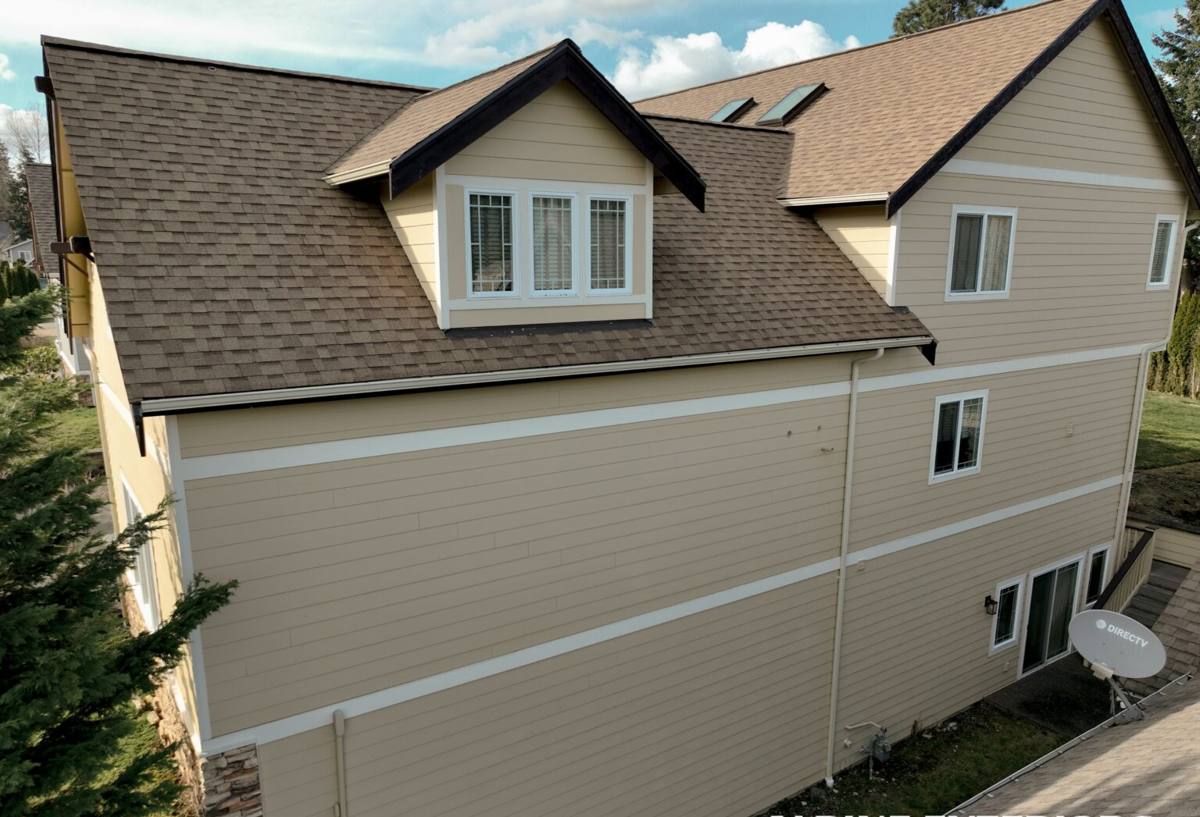
What Redington Shores' Climate Does to Siding
Every coastal community in Pinellas County deals with heat and humidity, but a Gulf-front location like Redington Shores adds a few extra layers of stress that any siding installer needs to plan for.
Wind Load
Homes here are built to withstand hurricane-force wind events, and siding is one of the first assemblies tested when a storm comes through. Board and batten in particular relies on vertical boards that need to stay fastened flat against the wall — any gap behind a board becomes a place for wind to get a grip and start peeling material away. Fastening pattern, board width, and the substrate behind the siding all matter more here than they would on a calmer inland lot.
Salt Air and Moisture
Being this close to the Gulf means airborne salt is a constant, not an occasional event. Salt air accelerates corrosion on fasteners and hardware, and it can degrade paint finishes and less durable siding materials faster than the same product would wear a few miles inland. Wind-driven rain during storms also pushes moisture into places that a light afternoon shower never would, which makes the water-management details behind the siding — house wrap, flashing, drainage gaps — just as important as what's visible on the surface.
Year-Round UV Exposure
Florida sun doesn't take a season off, and a barrier island location gets more direct exposure than a shaded inland lot. UV breaks down paint film, causes fading, and dries out and cracks materials that aren't engineered to handle it. On a board and batten profile, with its many exposed vertical seams and trim edges, uneven fading or cracking is more visible than it would be on a flat lap-sided wall.
What "Correct" Board & Batten Installation Actually Means
Board and batten looks simple — wide boards, narrower battens covering the seams — but the installation details underneath the surface are what determine whether it holds up in a coastal wind and salt environment or becomes a five-year problem.
The Structure Behind the Boards
A correct install starts with a properly prepared wall: intact sheathing, a continuous water-resistive barrier, and flashing detailed around every window, door, and penetration before the first board goes up. Skipping or rushing this step is the single biggest cause of hidden moisture damage behind board and batten siding, because problems don't show up on the surface until the substrate underneath has already been compromised.
Fastening for Wind Zones
Fastener type, length, and spacing need to match the wind zone the home sits in, not just a generic nailing schedule. Corrosion-resistant fasteners matter everywhere in Pinellas County, but they matter more on a barrier island where salt exposure is constant. Boards and battens both need to be fastened according to the manufacturer's specification for the local wind rating — this isn't a place to eyeball spacing.
Joints, Gaps, and Finish
Board and batten needs consistent gapping for expansion, properly sealed and painted cut edges, and battens set to actually cover the seams rather than just sit near them. Factory-finished products reduce a lot of this risk because the critical paint layer is applied and cured under controlled conditions before the material ever reaches the jobsite, rather than depending on field-applied paint holding up against Gulf sun and salt from day one.
Why We Install Board & Batten in James Hardie Fiber Cement Only
We install board and batten siding exclusively in James Hardie fiber cement. That's a deliberate standard, not a default, and it's worth explaining why — especially since board and batten is also commonly sold in vinyl, engineered wood, and traditional wood.
Fiber cement is non-combustible, dimensionally stable in heat and humidity swings, and doesn't rely on paint alone for its structural integrity the way wood does. James Hardie's ColorPlus factory finish is baked on and warranted against fading and cracking, which matters directly for a UV-heavy, salt-air location like Redington Shores. Hardie also produces siding lines engineered specifically for humid coastal climates like ours, built to resist moisture-related damage better than standard formulations sold in drier regions.
We don't install vinyl, LP SmartSide, Cemplank, Allura, or primed spruce and cedar board and batten. Each of those products has legitimate uses, but each also comes with a trade-off — moisture sensitivity, field-finish dependency, softer impact resistance, or a shorter track record in coastal wind and salt conditions — that we're not willing to put our name behind on a Gulf-front installation. James Hardie board and batten, installed to spec, is what we're confident will still look right and perform right a decade from now.
Board & Batten Material Comparison for Coastal Pinellas County
| Material | Wind & Storm Performance | Salt Air / Moisture Resistance | Finish Durability | Typical Maintenance |
|---|---|---|---|---|
| James Hardie fiber cement | Engineered and rated for high-wind installation | Strong; non-combustible and moisture-resistant formulation | Factory ColorPlus finish, warranted against fading/cracking | Low; periodic washing and caulk checks |
| Vinyl | Can flex, crack, or blow off in high wind if not rated/installed correctly | Doesn't rot, but seams and fasteners are a moisture path | Field color only; fades and chalks with UV exposure over time | Low, but limited repair options if damaged |
| Engineered wood (e.g., LP SmartSide) | Good when installed correctly | Wood-based core is moisture-sensitive if finish is compromised | Depends heavily on finish maintenance and edge sealing | Moderate; edges and joints need monitoring |
| Traditional wood (spruce, cedar) | Adequate structurally, but panel itself doesn't resist rot | Absorbs moisture; salt air accelerates wear on unfinished wood | Fully dependent on paint/stain upkeep | High; regular repainting and inspection required |
Our Process for a Redington Shores Board & Batten Project
Every job starts with an on-site assessment of the existing wall — what's underneath the current siding, the condition of the sheathing, and any moisture damage that needs to be addressed before new siding goes up, not covered over. From there:
- Removal of existing siding and inspection of the substrate for hidden damage
- Repair or replacement of any compromised sheathing, framing, or trim
- Installation of a continuous water-resistive barrier and properly lapped flashing at every window, door, and penetration
- Installation of James Hardie board and batten panels and trim, fastened to the wind-zone specification for the property
- Caulking, touch-up, and a final walkthrough before the job is signed off
We don't skip the parts of the job that don't show up in a finished photo. On a home this close to the Gulf, the water barrier and flashing work behind the siding matter just as much as how straight the battens line up.
Why Local Experience in Redington Shores Matters
A crew that already works this stretch of Pinellas County knows things a general contractor coming from further inland has to learn on the fly. That includes how wind zone requirements apply to barrier island properties, how much extra attention salt-air exposure demands on fasteners and flashing details, and how quickly UV exposure can expose a corner that was cut on a lower-cost material or a rushed installation. It also means showing up with the right building code knowledge for this jurisdiction rather than assuming standards from a different part of the state apply here.
For homeowners, that translates into fewer surprises: a quote that already accounts for what this location requires, and an installation that's built to hold up to the next storm season rather than just look good on move-in day.
Keeping Board & Batten Siding Looking Right Long-Term
James Hardie board and batten is low-maintenance compared to wood, but "low-maintenance" doesn't mean "no maintenance," especially in a salt-air environment. A simple annual routine goes a long way:
- Rinse the siding periodically to remove salt residue and airborne buildup, especially on Gulf-facing walls
- Inspect caulking around trim, windows, and battens once a year and re-caulk any cracked or separated joints
- Check fastener heads and trim edges for early signs of corrosion or paint failure
- Look for gaps or separation at batten edges after major storms and have them addressed promptly
- Trim back landscaping and irrigation spray that keeps siding constantly wet or salt-crusted
Catching small issues early — a lifted batten edge, a hairline caulk gap — is far cheaper than repairing water damage that's had a season to work its way behind the wall.
Get a Straight Answer About Board & Batten for Your Home
If you're weighing board and batten siding for a home in Redington Shores, we're glad to walk the property with you, point out anything the current siding or substrate is telling us, and give you an honest, no-pressure estimate for a James Hardie installation built for this exact location. Use the form below to get started.