 Largo Window
 Windows Built for a Small Coastal City with Big Weather
Belleair Bluffs is a small, tightly packed community wedged between Largo and the water along Pinellas County's western coastline. Homes here sit close together, many on lots that were platted decades before today's wind codes existed, and most are within a few miles of open water. That combination — older housing stock, dense lots, and direct coastal exposure — means windows in Belleair Bluffs take a harder beating than windows even a few miles inland, and they need to be sized, built, and installed with that in mind.
Pinellas County sees the same threats every home on this peninsula deals with: hurricane-force wind gusts, wind-driven rain that finds any gap in a poor installation, salt-laden air that corrodes hardware and pits finishes, and near-constant UV exposure that ages seals, frames, and glazing faster than it would in a drier, less sunny climate. A window that was designed and installed for a subdivision in the Midwest will not hold up the same way here — and a "custom" window job in Belleair Bluffs isn't a luxury upsell, it's what correctly fitting and protecting these houses actually requires.
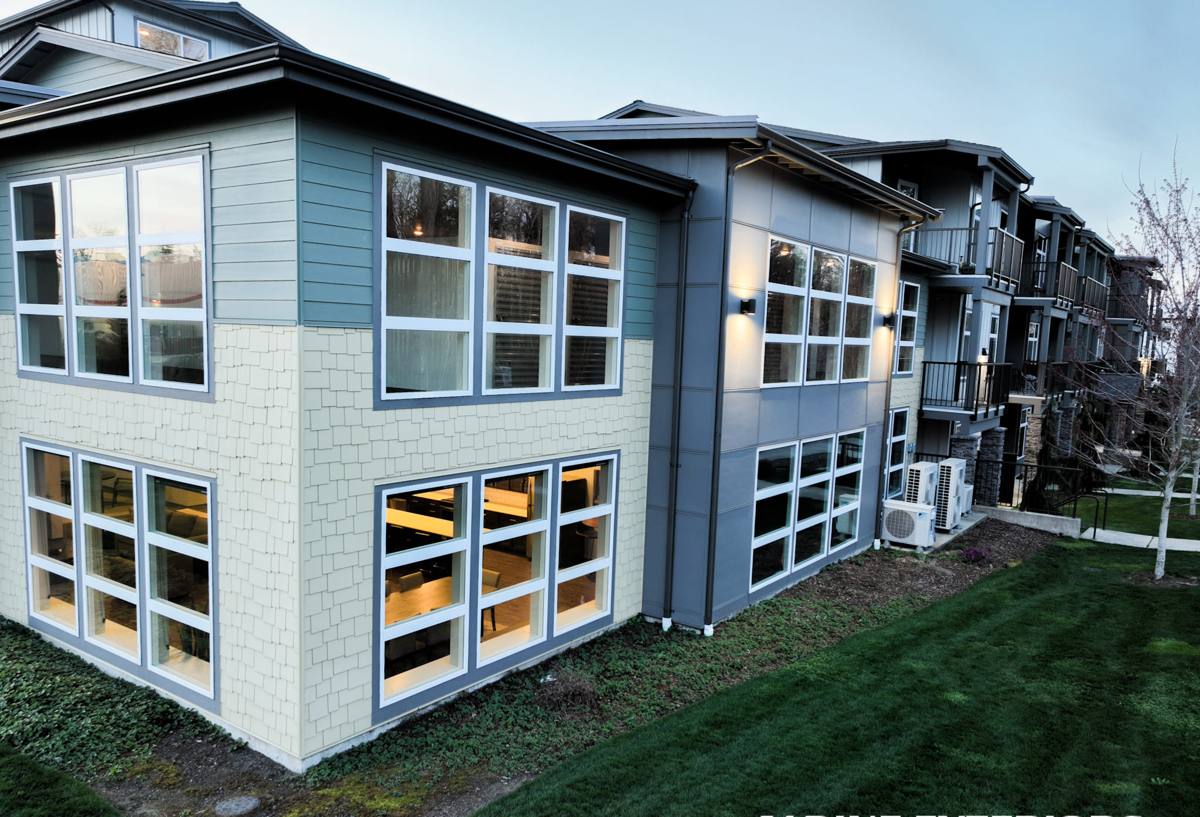
What "Custom" Actually Means for This Job
We use the word "custom" specifically, not as marketing language. Most homes in and around Belleair Bluffs were not built to a single modern tract-home standard — additions, older masonry openings, settled framing, and non-standard rough openings are common. Off-the-shelf window sizes rarely drop in cleanly, and forcing them to fit with shims, foam, and hope is exactly how leaks and failures start a few years down the road.
A genuinely custom window job means:
- Every opening is measured individually, not assumed to match a standard size chart
- Out-of-square or settled openings are identified and accounted for before ordering, not discovered mid-install
- Frame depth and mounting method match the wall assembly (block/stucco vs. wood frame) instead of a one-size retrofit approach
- Glass package, frame material, and hardware are selected for the specific exposure of that wall — a west-facing wall catching afternoon sun and salt spray off the water is not the same problem as a shaded, sheltered wall
This is slower and more deliberate than a stock replacement job, and it's the difference between windows that perform for twenty-plus years and windows that need attention again in five.
Wind, Code, and What Correct Compliance Looks Like Here
Pinellas County enforces the Florida Building Code's wind-borne debris requirements, and homes in Belleair Bluffs' coastal-influenced zone typically fall under design wind speeds that require either impact-rated windows or an approved protection system for every opening. This isn't optional paperwork — it's the difference between a window that stays intact when debris hits it during a storm and one that fails, lets wind and water into the house, and turns a roof or interior loss into a much bigger claim.
Correct compliance work includes:
- Confirming the actual wind zone and pressure requirements for the specific address, not a countywide assumption
- Pulling the required permit through the local building department rather than treating window replacement as a side job that skips inspection
- Using windows with current Florida Product Approval (or Miami-Dade NOA, often used as the higher bar even outside the High-Velocity Hurricane Zone) matched to the wall's actual pressure rating
- Installing to the manufacturer's tested fastening schedule and anchor spacing — not a generalized "close enough" pattern
Skipping permitting or inspection on window work is one of the most common issues we find when we're called in to fix a previous installation. It's also a real problem at resale — unpermitted exterior work is something home inspectors and insurance underwriters both flag.
Wind-Driven Rain: The Failure Most People Don't See Coming
A window can meet wind-load requirements and still leak badly in a storm if the flashing, sealant, and drainage details around it are wrong. Wind-driven rain doesn't fall straight down — storms push it sideways and upward into any gap in the weatherproofing layer. Correct installation means proper flashing integration with the existing wall assembly, backer rod and sealant sized to the joint (not just a bead of caulk over a gap), and weep paths that actually drain instead of trapping water inside the frame. This detail work is invisible once the job is finished, which is exactly why it's the step most often shortcut on a rushed installation.
Salt Air and UV: The Slow Damage Between Storms
Storms get the attention, but salt air and sun do continuous, quieter damage between them. On homes with direct or near-direct water exposure, airborne salt accelerates corrosion on hardware, screws, and lesser-grade metal components — a window that looks fine on day one can have pitted hinges and a stiff lock within a couple of years if the hardware wasn't chosen for coastal exposure. We spec corrosion-resistant hardware and fasteners for this reason, not as an add-on but as a baseline for anything going into a coastal-exposed wall.
Florida's UV load is also harder on windows than most homeowners expect. Constant sun exposure breaks down lower-grade vinyl, degrades rubber seals and gaskets, and can fade or cloud certain glazing coatings over time. We look at each elevation's actual sun exposure — a west-facing wall with unshaded afternoon sun needs a different glass and frame spec than a covered, north-facing wall — and size the glass package accordingly rather than using the same glass on every side of the house.
Frame Material: What Actually Holds Up Here
| Frame Material | Coastal Performance | Maintenance | Where It Fits Best |
|---|---|---|---|
| Impact-rated vinyl | Good corrosion resistance, no rust; quality varies widely by manufacturer | Low; occasional cleaning | Most standard residential openings |
| Aluminum | Strong but can corrode without proper coatings near saltwater; conducts heat | Moderate; coating matters | Larger openings, sliders, storefront-style glazing |
| Fiberglass | Excellent stability and corrosion resistance, holds paint well | Low | Homes wanting a longer-life, higher-end option |
| Wood/wood-clad | Poor without heavy maintenance in humid, salt-air conditions | High | Rarely recommended for direct coastal exposure |
We don't install every product on this list for every home. Where a material's real-world maintenance burden or moisture behavior doesn't match a specific home's exposure, we'll say so directly and explain the trade-off rather than pushing whatever's easiest to sell.
Cost Factors for a Belleair Bluffs Window Job
| Factor | Why It Moves the Price |
|---|---|
| Opening condition | Out-of-square or damaged rough openings need extra prep before a window can go in correctly |
| Wind rating required | Higher pressure ratings and larger impact glass packages cost more than standard glazing |
| Frame material | Vinyl, aluminum, and fiberglass carry different material and hardware costs |
| Wall type | Block/stucco vs. wood-frame walls call for different mounting and flashing methods |
| Number and size of openings | Larger sliders and picture windows cost more than standard operable units |
| Permit and inspection | Required by code for this area; a legitimate job always includes it in the estimate |
We won't quote a whole-house number without seeing the actual openings — a home with several oversized or out-of-square windows will price differently than one with standard openings in good condition, and we'd rather give an honest range after a walkthrough than a number that changes once we're on site.
How We Work in Belleair Bluffs
- On-site assessment: we measure every opening individually and check the wall assembly, not just the glass that's currently in place
- Wind zone and code check: we confirm the pressure rating required for that address before recommending a product
- Written estimate: a clear scope covering product, install method, and permitting — no vague allowances
- Permitting: pulled through the appropriate local building department before work starts
- Installation: proper flashing, fastening schedule, and sealant details, not just dropping a window into the hole
- Final inspection: completed and documented, so the work is on record if it's ever needed for insurance or resale
Working this same process across nearby Pinellas County neighborhoods means we already understand the housing stock, the permitting process, and the exposure conditions specific to this stretch of coastline — we're not learning the wind zone or the local building department's requirements on your job.
What to Check Before Hiring Anyone for This Job
- Do they pull a permit and schedule inspection, or suggest skipping it?
- Can they explain the wind pressure rating required for your specific address?
- Do they measure every opening individually rather than quoting off a size chart?
- Do they explain hardware and frame choices in terms of your home's actual sun and salt exposure?
- Is the estimate itemized enough that you know what product, glass package, and labor you're paying for?
- Are they licensed and insured to work in Pinellas County?
If a contractor can't answer the wind-zone or permitting questions clearly, that's worth treating as a warning sign before any contract is signed.
Get a Straight Answer for Your Home
Every home in Belleair Bluffs has its own mix of sun exposure, wall type, and opening condition, and the right window spec follows from that — not from a generic package. If you'd like an honest look at what your home actually needs and a written estimate with no pressure attached, the form below is the fastest way to get one started.