 Largo Window
 Building a Deck That Can Actually Take What Redington Shores Dishes Out
Redington Shores sits right on the barrier island chain west of Largo, with the Gulf on one side and the Intracoastal on the other. That location is exactly why it's a great place to add a deck — and exactly why a deck built with mainland assumptions tends to fail early. Salt air, near-constant UV, wind-driven rain, and the occasional hurricane-force gust aren't occasional stressors here, they're the baseline. A deck that's going to hold up needs to be designed for that baseline from the first footing, not patched up for it after the fact.
This page covers what we look at specifically for deck building in Redington Shores: the materials that actually make sense this close to saltwater, the framing and fastener details that separate a deck that lasts from one that doesn't, the permitting realities of building on a barrier island, and what our process looks like from first estimate to final walkthrough.
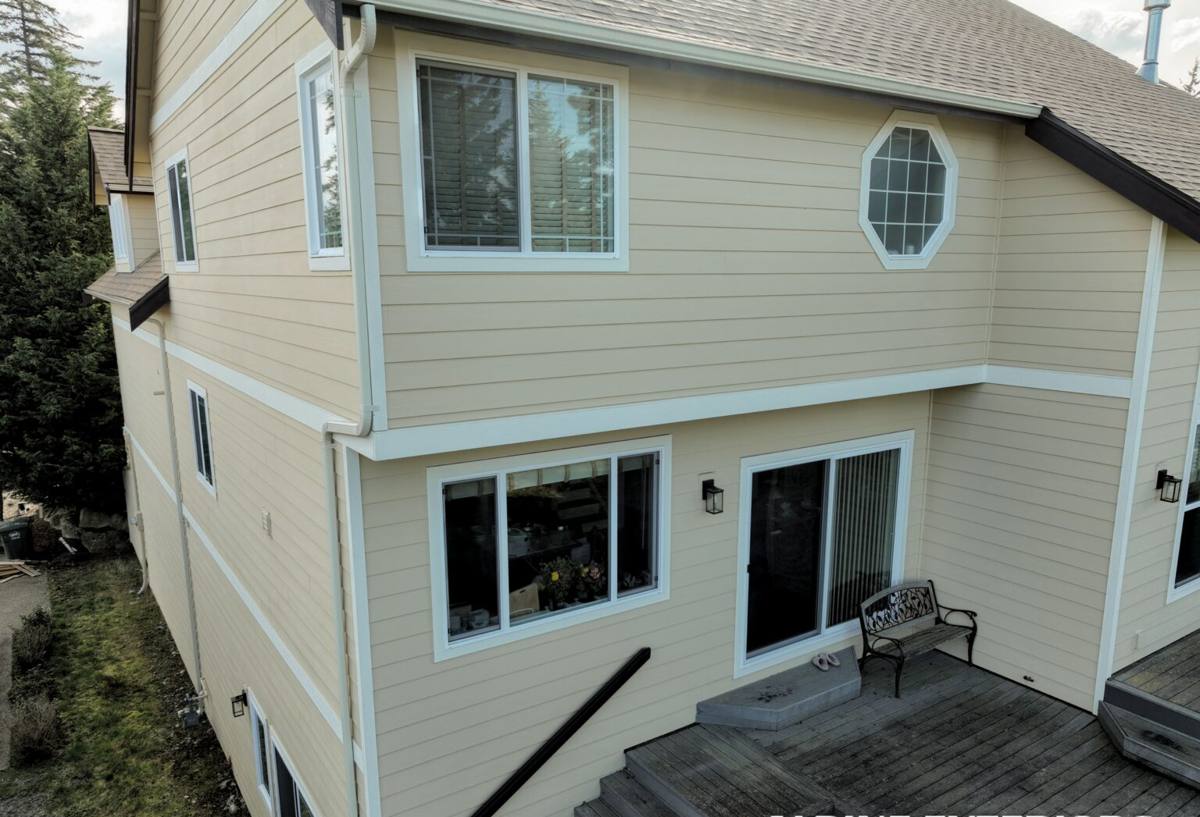
What Makes a Redington Shores Deck Different From an Inland Build
Salt Air and Corrosion
Being this close to the Gulf means airborne salt settles on every exposed surface, all year, whether or not there's a storm anywhere nearby. Standard fasteners and connectors corrode faster here than they would even a few miles inland in Largo proper. Once a fastener starts rusting inside a joist or ledger board, it weakens from the inside where you can't see it — and by the time it shows on the surface, the damage is usually further along than it looks.
Sun and UV Exposure
Pinellas County gets strong, direct sun for most of the year, and a deck has nowhere to hide from it. UV breaks down the surface of lower-grade woods and some composites, causing fading, graying, and surface checking well before the structure itself is worn out. Dark decking materials also absorb heat aggressively, which matters if the deck gets used barefoot in summer.
Wind-Driven Rain and Storm Loads
Barrier island properties see wind-driven rain that gets pushed sideways into gaps, seams, and ledger connections that a typical rain shower would never reach. On top of that, decks here need to be built to hold up against hurricane-force wind loads — not just the deck surface, but the railing posts, the ledger attachment to the house, and the footings anchoring the whole structure to the ground.
Choosing the Right Decking Material for a Barrier Island Home
There's no single "best" decking material — there's a best material for this specific environment and this specific budget. Here's how the common options actually compare once you factor in salt air, sun, and storm exposure rather than just sticker price.
| Material | Upfront Cost | Salt Air Behavior | Maintenance | Typical Lifespan |
|---|---|---|---|---|
| Pressure-treated wood | Lowest | Needs sealing to resist salt-driven moisture intrusion | Annual cleaning and re-sealing | 10-15 years with upkeep |
| Composite decking | Mid to upper-mid | Good, but quality varies a lot by product line | Occasional washing, no sealing | 20-25+ years |
| PVC/cellular decking | Highest | Excellent — no wood fiber to absorb moisture | Lowest of the three | 25+ years |
| Tropical hardwoods | High | Naturally dense and rot-resistant, but still needs oiling | Regular oiling to prevent graying | 20+ years with upkeep |
We don't push one material on every homeowner. A wood deck can be the right call if the budget calls for it and the owner is committed to maintaining it. But we're honest about the trade-off: in a salt-air environment, the maintenance schedule on wood isn't optional the way it might be inland — skip a season of sealing here and you'll see it in the wood faster than you would in Largo's inland neighborhoods.
What a Correctly Built Coastal Deck Involves
Framing and Fasteners
This is where most of the corrosion problems we get called out to fix actually start. Standard galvanized fasteners are not enough this close to saltwater — we use stainless steel or coated fasteners rated for coastal/marine exposure on structural connections, along with hidden fastener systems on the decking surface itself where the product allows for it. It costs more up front than mixing in whatever hardware is cheapest at the box store, but it's the difference between a deck that's still solid in fifteen years and one that needs structural repairs in five.
Footings, Elevation, and Drainage
Footings need to be sized and set for local soil and flood conditions, not just a generic depth. On barrier island lots, drainage around and under the deck matters more than people expect — standing water at the base of posts accelerates rot and corrosion, so grading and gaps need to move water away from the structure instead of trapping it.
Railings and Code Compliance
Railings take direct wind load in a storm, and they're also the part of the deck most likely to get leaned on hard by people. We build railing systems to meet current code height and baluster spacing requirements, with post connections strong enough to handle the wind speeds this stretch of coast actually sees, not just the minimum for an inland build.
Permitting and Code Considerations in Pinellas County
Deck construction in Redington Shores goes through local permitting, and coastal construction here is generally held to a higher wind-load standard than you'd see in many inland jurisdictions. Depending on the property, flood zone requirements can also affect footing depth, elevation, and how the deck ties into the existing structure. We handle the permitting process as part of the job rather than leaving it to the homeowner, and we build to the code that applies to this specific lot — not a generic statewide minimum.
If your property is elevated or built on pilings, as many are along this stretch of the coast, the deck design also needs to account for how it attaches to that elevated structure without creating a weak point at the ledger. This is a detail that's easy to get wrong if a crew is used to building ground-level decks on standard slab homes.
Our Process, Start to Finish
- On-site consultation. We look at the existing structure, sun and wind exposure, drainage, and how the deck will actually be used before recommending materials.
- Material and design selection. We walk through the honest trade-offs between wood, composite, and PVC for this specific location and budget.
- Permitting. We handle the permit application and coordinate any required inspections with the local jurisdiction.
- Framing and fastening. Structural framing goes in first, using coastal-rated fasteners and connectors sized for the wind and load requirements of the site.
- Decking and railing installation. Surface decking, railings, and any stairs are installed and fitted to the framing.
- Final walkthrough. We go over the finished deck with the homeowner, including what maintenance schedule fits the material chosen.
Keeping a Redington Shores Deck in Good Shape Year-Round
Even a well-built deck needs some ongoing attention in this climate. Here's the baseline maintenance routine we recommend for coastal decks in this area:
- Rinse the deck surface periodically to clear salt residue, especially after windy stretches off the Gulf
- Check fastener heads and railing post connections at least once a year for early signs of corrosion
- Reseal or re-oil wood and tropical hardwood decking on the schedule the manufacturer recommends — don't stretch it out to save time
- Keep the area under and around the deck clear of debris so water can drain away instead of pooling at the base
- Inspect stair stringers and ledger board attachments after any major storm, even if the deck looks fine from the top
- Address any soft spots, discoloration, or loose fasteners right away rather than waiting for the next maintenance cycle
Why Hiring a Crew That Already Works This Barrier Island Matters
A deck builder who mostly works inland can still build a structurally sound deck on paper — but "sound on paper" and "sound in Redington Shores five years from now" aren't automatically the same thing. Knowing which fastener grades actually hold up here, how elevated coastal homes need to be tied into, what the local permitting office expects for wind and flood requirements, and how fast a lower-grade material will show wear in this air isn't something you get from a general contracting background. It comes from building decks on this specific stretch of coast, repeatedly, and seeing what holds up and what doesn't.
We're not going to tell you a deck here is maintenance-free, because none of them are. What we can control is building it correctly the first time, with the right materials and hardware for the environment, so the maintenance you do put in actually pays off instead of fighting a structure that was under-built for the coast from day one.
If you're planning a new deck or replacing one that's showing its age, we're happy to walk the property with you and put together a straightforward, no-pressure estimate — just fill out the form below to get started.