 Largo Window
 Why Dunedin Homes Need Siding Built for the Gulf Coast
Dunedin sits close enough to the water that its homes take on a specific combination of stress that inland siding never has to deal with: salt-laden air, intense year-round sun, and the wind-driven rain and occasional hurricane-force gusts that come with living in Pinellas County. Siding here isn't just a cosmetic choice. It's the layer standing between your framing and a climate that works against ordinary building materials every single day, not just during storm season.
We install fiber cement siding on Dunedin-area homes as a specialty, not a side offering, and we install exactly one brand: James Hardie. That's a deliberate standard, not a marketing line, and this page walks through why it matters for this specific location, what a correct installation actually involves, and how we handle the job from first look to final walkthrough.
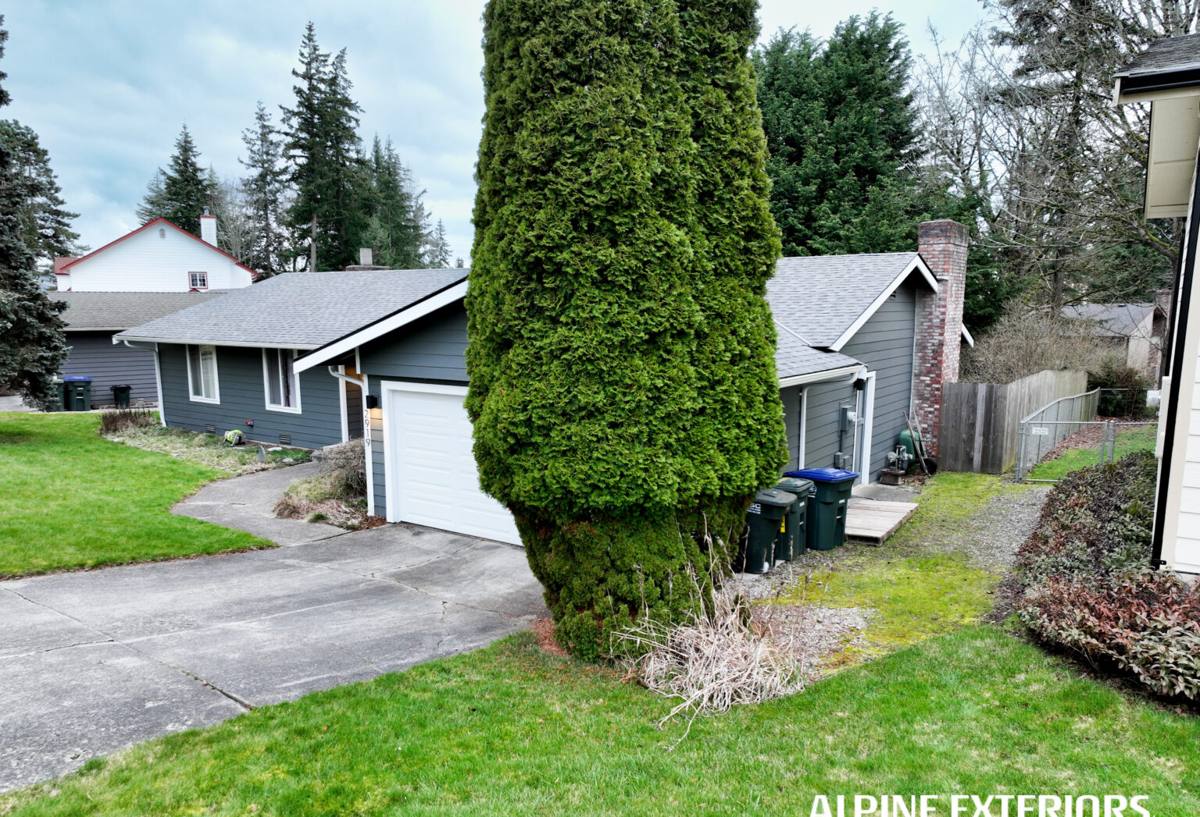
What This Climate Does to the Wrong Siding
Before talking about the right product, it helps to understand what Dunedin's environment is actually doing to a house's exterior year-round.
UV Exposure
Florida sun is relentless, and it's harder on exterior materials than most homeowners realize. UV breaks down pigments and surface coatings over time, which is why so many painted or vinyl exteriors fade unevenly, chalk, or warp within a decade instead of lasting the 30+ years a well-built exterior should.
Wind-Driven Rain
Rain in this region rarely falls straight down. Storms push moisture sideways, right into seams, laps, and trim joints. Any siding system that isn't detailed correctly at those transition points will eventually let water behind it, and once moisture gets into wall sheathing, the damage is slow, hidden, and expensive to fix.
Salt Air
Even a few miles inland from the Gulf, airborne salt settles on exterior surfaces and accelerates corrosion of fasteners and wear on coatings that weren't engineered with that exposure in mind.
Hurricane-Force Wind
Pinellas County homes have to be ready for tropical storm and hurricane wind loads. Siding that isn't fastened to spec, or that's rated for a milder climate, is one of the more common sources of storm damage — not because the material failed outright, but because the installation wasn't built for the wind zone it was sitting in.
Why James Hardie Fiber Cement Is What We Install
James Hardie makes its HZ5 product line specifically engineered for hot, humid, high-moisture climates like ours — it's formulated and tested for the conditions Gulf Coast homes actually face, not a generic national spec. Fiber cement itself is non-combustible, which matters in a state where wildfire and ember exposure are a real consideration in some areas, and it doesn't warp, rot, or attract termites the way wood-based products can.
The factory-applied ColorPlus finish is baked on under controlled conditions rather than field-painted, which gives it far more consistent UV and fade resistance than a coating applied on-site in variable weather. That matters directly in Dunedin, where sun exposure is constant and a coating that fades unevenly becomes an obvious, permanent eyesore rather than a subtle change.
We don't install LP SmartSide, vinyl, Cemplank, Allura, or primed wood products, and we're upfront about why. Vinyl can warp and chalk under sustained heat and UV, and it isn't the impact- or wind-resistant match for this climate that fiber cement is. Engineered wood products carry moisture sensitivity that's a harder risk to manage in a humid coastal environment. Other fiber cement brands may be reasonable products in general, but we've standardized on one system, one set of installation specs, and one manufacturer warranty structure so we can guarantee the work the same way every time. That's a professional standard we hold ourselves to, not a claim that every alternative is unusable.
What a Correct Fiber Cement Installation Actually Involves
Fiber cement is only as good as its installation. James Hardie's own data and warranty terms are built around specific fastening, clearance, and flashing details — skip them, and you can void the product warranty even though the boards themselves are fine.
Fastening and Clearances
Boards need to be fastened per Hardie's published spec for our wind zone — correct nail or screw type, spacing, and penetration into framing, not just "close enough." Siding also needs proper clearance from the ground, roofline, and any decking or grading, so wicking moisture doesn't sit against the bottom edge of a board.
Moisture Barrier and Flashing
A weather-resistant barrier goes on the sheathing before a single board is hung, and flashing gets installed at every window, door, and penetration first. This is the layer that actually stops wind-driven rain from reaching your wall assembly — the siding itself is the second line of defense, not the only one.
Joint Treatment and Caulking
Butt joints, corners, and trim transitions need to be treated with the right sealant and technique so they can flex with temperature swings without opening a gap for water. This is one of the most common places we find shortcuts taken on prior installs when we're called out to look at problems on existing homes.
Our Process, Start to Finish
Inspection and Estimate
We look at your existing siding or sheathing condition, note any problem areas — soft spots, prior water intrusion, trim that needs attention — and walk you through product and color options before you commit to anything.
Preparation and Removal
Old siding comes off down to the sheathing so we can actually see what's underneath, rather than covering up existing damage. Any compromised sheathing gets addressed before new material goes up — this step is non-negotiable, because installing beautiful new siding over a hidden moisture problem just delays a much bigger repair.
Installation
Weather barrier, flashing, then Hardie boards, fastened and spaced to manufacturer spec for our wind zone. Corners, trim, and joints get detailed as we go, not left for a punch-list pass at the end.
Final Walkthrough
We walk the finished job with you, check caulking and trim lines, and make sure everything matches what was quoted before we consider the job done.
Choosing the Right Hardie Product Line for Your Home
Not every Dunedin home wants the same look, and Hardie's lineup covers a range of styles while keeping the same engineered core.
| Product Line | Best For | Notable Trait |
|---|---|---|
| HardiePlank Lap Siding | Most single-family homes, classic horizontal look | HZ5 formulation engineered for hot, humid climates |
| HardiePanel Vertical Siding | Coastal or modern styling, accent walls | Fewer horizontal seams for water to track along |
| HardieShingle | Gable accents, Cape Cod or cottage-style details | Staggered or straight-edge shingle profiles |
| Board and Batten | Farmhouse or coastal-modern exteriors | Strong vertical lines, often mixed with lap siding |
Most Dunedin projects use HardiePlank as the primary field material, sometimes paired with a panel or shingle accent on a gable or entry feature. We'll walk through which combination fits your home's style and your budget during the estimate.
What Actually Affects the Cost of a Fiber Cement Project
Every home is different, so we don't quote off a flat per-square-foot number without seeing the house. The factors below are what actually move a price up or down.
| Factor | Why It Matters |
|---|---|
| Home size and number of stories | Determines total linear footage and access/scaffolding needs |
| Tear-off scope | Full removal to sheathing costs more up front but reveals any hidden moisture damage before it's covered up again |
| Trim and accessory work | Corners, fascia, soffit, and window/door trim add labor beyond the flat wall area |
| Profile and finish choice | Plank width, texture, and color selection affect material cost |
| Site access | Landscaping, fencing, or tight multi-story access can add labor time |
We give a firm, itemized number after the inspection — not a guess based on square footage alone.
Why a Crew That Already Works in Dunedin Matters
Wind-zone fastening requirements, permitting expectations, and the moisture issues we tend to find under old siding in this area aren't the same everywhere in Florida, let alone the rest of the country. A crew that regularly works Pinellas County homes already knows the local permitting process, has a feel for what tends to be hiding under 20- or 30-year-old siding in this humidity, and installs to the wind rating this area actually requires rather than a generic national minimum. That familiarity shows up in fewer surprises mid-project and a finished install that's actually built for where it sits.
Keeping Your Siding Right for the Long Haul
A correct installation does most of the work, but a little homeowner attention extends the life of the job even further:
- Rinse salt film and general grime off the exterior periodically with a garden hose
- Keep sprinkler heads from spraying directly and repeatedly on the same section of siding
- Check caulking at trim, corners, and penetrations once a year, ideally before hurricane season
- Trim back vegetation touching the siding so surfaces can dry fully after rain
- Have a professional look over the exterior after any major storm for lifted flashing or impact damage
- Avoid pressure-washing directly into seams or up under the bottom edge of boards
If your Dunedin home needs new siding, or you want a straight answer on whether your current siding is holding up the way it should, we're happy to take a look and give you a free, no-pressure estimate using the form below.