 Largo Window
 Energy-Efficient Windows Built for Seminole's Climate
Seminole sits close enough to the Gulf that homes here take on a specific combination of stress that inland Florida properties don't deal with in the same way. Salt-laden air, near-constant UV exposure, wind-driven rain, and the threat of hurricane-force wind loads all act on a window at the same time, year-round. A window that performs well in a mild climate can fail quickly here — not from one dramatic event, but from the slow, compounding effect of heat, moisture, and salt working on frames, seals, and glass every single day.
Energy-efficient windows done right for Seminole aren't just about a lower electric bill, though that matters. They're about choosing glass and frame systems that hold their seal, resist UV breakdown, shed wind-driven rain instead of absorbing it, and stand up to salt air corrosion — while also cutting the load on your air conditioner, which in this part of Pinellas County runs for most of the year.
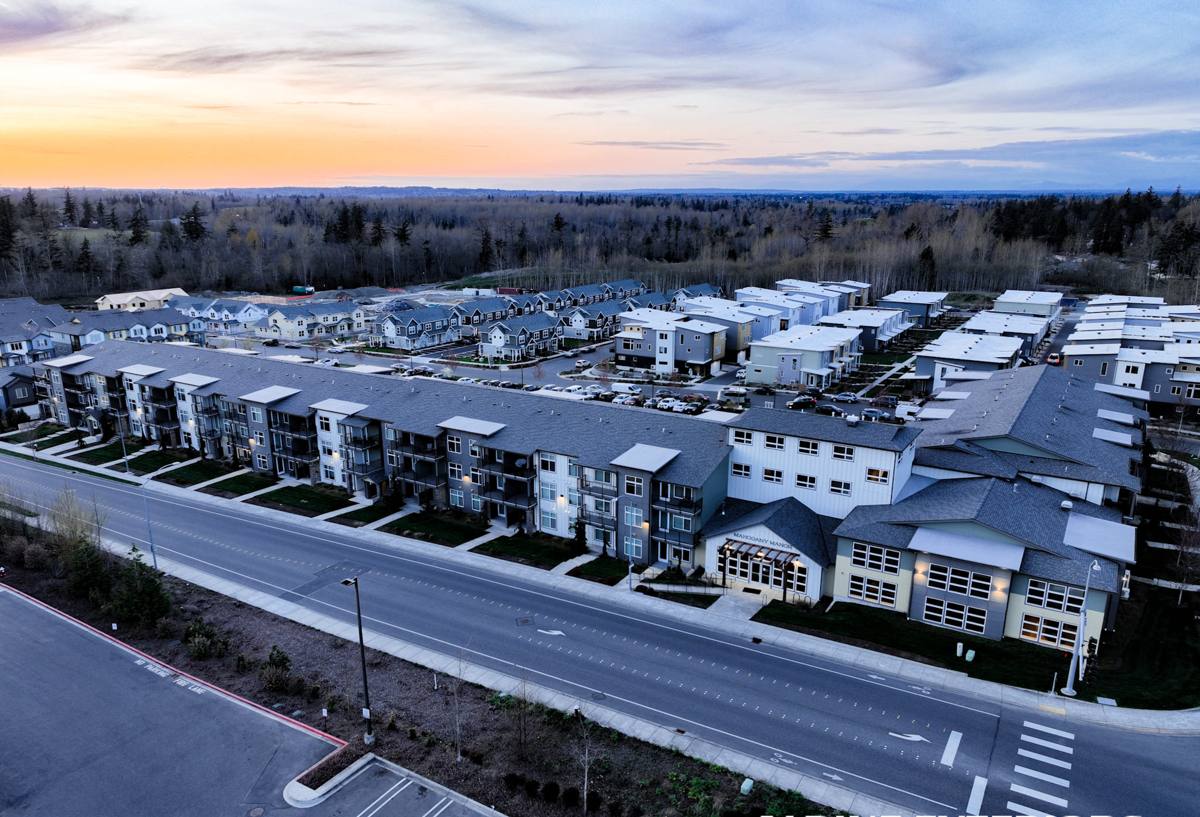
What Seminole's Climate Actually Does to a Window
Heat and UV
Florida sun is intense and it's relentless. UV exposure breaks down vinyl, warps low-quality frame materials, and fades interior finishes, flooring, and furniture through unprotected glass. Heat gain through older or single-pane windows also forces your HVAC system to work harder, which shows up directly on your power bill.
Salt Air
Being close to the coast means airborne salt settles on everything, including window hardware, frame fasteners, and metal components. Over time, salt air accelerates corrosion on lower-quality hardware and can degrade seals that aren't rated for coastal exposure. This is one of the most common reasons we see premature window failure in Pinellas County homes — not bad glass, but hardware and seals that weren't built for a coastal environment.
Wind-Driven Rain
Florida storms rarely deliver rain straight down. Wind pushes it sideways and at an angle, which means a window's seal and flashing details matter as much as the glass itself. A window that's watertight in a light rain can still leak during a wind-driven storm if it wasn't installed with the right flashing and sealant details around the rough opening.
Hurricane-Force Wind Loads
Pinellas County sits in a wind-borne debris region under the Florida Building Code, which means windows here need to meet specific structural and impact standards — not just be "hurricane resistant" as a marketing term. A correctly rated and correctly installed window is a structural component of your home's storm defense, not just an energy feature.
What "Energy-Efficient" Means for a Coastal Pinellas Home
Energy efficiency in a window comes down to a handful of measurable properties, not a general label. For Seminole homes, we're weighing these properties against coastal durability at the same time — the two goals overlap more than people expect.
| Property | What It Measures | Why It Matters Here |
|---|---|---|
| U-Factor | How much heat transfers through the window | Lower U-factor keeps summer heat out and holds conditioned air in — directly tied to AC costs |
| SHGC (Solar Heat Gain Coefficient) | How much solar radiant heat passes through the glass | Florida's near-year-round sun makes a low SHGC one of the biggest efficiency factors in this climate |
| Low-E Coating | A microscopically thin coating that reflects heat and blocks UV | Cuts fading and heat gain without darkening the glass noticeably |
| Impact/DP Rating | Design pressure and impact resistance rating | Determines how the window performs under hurricane wind loads and wind-borne debris |
| Frame Material | Vinyl, aluminum, fiberglass, or composite | Determines resistance to salt air corrosion, UV warping, and long-term maintenance |
None of these numbers mean much in isolation. A window with a great U-factor but hardware that corrodes in two coastal seasons isn't a good investment for Seminole. We look at the whole package — glass performance, frame material, and hardware quality — against what your specific home and exposure actually need.
Frame Material Trade-Offs for Coastal Exposure
| Frame Type | Coastal Durability | Maintenance | Notes |
|---|---|---|---|
| Vinyl | Good, with UV-stabilized formulations | Low | Common, cost-effective, but quality varies significantly between manufacturers |
| Aluminum | Fair to good, needs corrosion-resistant hardware | Moderate | Strong for larger openings, but standard hardware can corrode faster in salt air without proper coatings |
| Fiberglass/Composite | Excellent | Low | Higher upfront cost, very stable under heat and UV, minimal expansion/contraction |
We don't push one material as universally "best." We tell you honestly what each option costs to buy, what it costs to maintain over ten years in a salt-air environment, and where each one starts to show its age.
What a Correct Installation Involves
The window unit itself is only part of the job. Most window failures we're called out to inspect — leaks, drafts, fogged glass, water intrusion during storms — trace back to installation details, not the product. For Seminole homes, a correct installation includes:
- Removing the old window and inspecting the rough opening for hidden rot, moisture damage, or framing issues before anything new goes in
- Installing proper flashing and a weather-resistant barrier so wind-driven rain can't get behind the window frame
- Using sealants and fasteners rated for coastal, high-UV exposure — not generic hardware store products
- Confirming the window's design pressure rating matches what your home's location and elevation actually require under the Florida Building Code
- Verifying the unit is plumb, level, and square, and properly anchored to structural framing — not just the exterior finish
- Pulling the correct local permits and scheduling required inspections
- Sealing and finishing the interior and exterior trim so the whole assembly sheds water correctly
Skipping any one of these steps can undermine an otherwise excellent window. This is why we treat installation quality as equal in importance to product selection — a mid-grade window installed correctly will outperform a premium window installed poorly, especially once storm season tests the seal and the structural attachment.
Our Process for Seminole Homeowners
We keep the process straightforward and don't push products you don't need. Here's how a typical project runs from first call to final walkthrough:
- On-site assessment — we look at your existing windows, note exposure direction (which sides take the most sun, salt, and wind-driven rain), and check for any framing or moisture issues
- Product recommendation — we walk you through frame and glass options suited to your home's exposure and your budget, with honest trade-offs, not upsell pressure
- Written estimate — clear pricing with no vague allowances
- Permitting — we handle the paperwork with the local permitting office and make sure the specified products carry the correct Florida product approval for your wind zone
- Installation — removal, opening inspection, flashing, sealing, and structural anchoring done to code, not just to "fit"
- Final inspection and walkthrough — we confirm everything operates correctly, seals are tight, and you understand any maintenance recommendations before we consider the job done
Signs Your Seminole Home's Windows Are Already Costing You Money
Older or poorly installed windows often show warning signs well before a full failure. Worth checking for:
- Rooms near windows that feel noticeably hotter than the rest of the house in the afternoon
- Visible condensation or fogging between panes of double-pane glass, which usually means a broken seal
- Noticeable fading on flooring, furniture, or curtains near windows that get direct sun
- Drafts you can feel with a hand near the frame on a windy day
- Hardware that's stiff, corroded, or difficult to lock and unlock
- Water staining on interior sills or trim after wind-driven rain
Any of these can mean your windows are letting conditioned air escape, letting heat and moisture in, or — more seriously — not sealing properly against wind-driven rain during a storm.
Energy Efficiency and Storm Readiness Go Together Here
In coastal Pinellas County, an energy-efficient window upgrade often overlaps with storm preparedness. Impact-rated glass that meets Florida Building Code wind-borne debris requirements also tends to carry strong Low-E and insulating performance, since manufacturers building for hurricane markets generally engineer for both. Depending on your homeowner's insurance policy and current wind mitigation report, upgrading to code-compliant impact windows can also affect your wind mitigation credits — that's a conversation worth having directly with your insurance provider, since every policy is different, but it's a real factor many Seminole homeowners weigh alongside the energy savings.
Why Hire a Crew That Already Works in Seminole
Window installation quality depends heavily on local knowledge that doesn't show up in a brochure. A crew that regularly works Seminole and the surrounding Largo area already understands:
- Which frame and hardware combinations actually hold up against local salt air exposure, based on what we see coming out of homes here
- The permitting requirements and inspection process for this jurisdiction, so projects don't stall on paperwork
- How to sequence work around Florida's rain patterns to keep a home protected mid-project
- What wind pressure and product approval requirements apply to homes in this part of Pinellas County
That familiarity translates into fewer surprises, fewer callbacks, and a window system that's actually matched to the conditions it has to survive — not a generic install done the same way regardless of climate.
Get a Free, No-Pressure Estimate
If your Seminole home has windows that feel drafty, run hot in the afternoon sun, show condensation between the panes, or just haven't been looked at in years, it's worth having someone take an honest look. We'll walk your home, tell you what we see, and give you a clear, no-pressure estimate — no sales scripts, just straight answers. Use the form below to get started.