 Largo Window
 Window Installation Built for a Barrier Island Address
Indian Shores sits on a narrow strip of land with the Gulf of Mexico on one side and the Intracoastal Waterway on the other. That location is what makes it beautiful, and it's also what makes window installation here a different job than installation five or ten miles inland in Largo or Clearwater. Salt-laden air, near-constant sun exposure, wind-driven rain, and the real possibility of hurricane-force wind loads all act on a window and its installation at the same time, year-round. A window that's a good fit for a home in a shaded, inland Pinellas County neighborhood is not automatically the right choice for a home a block from the beach.
This page covers what window installation for an Indian Shores home actually requires — the conditions your windows are up against, what a correctly installed window includes, how our process works from first visit to final inspection, and what to look for in any crew you hire to do this work on the barrier island.
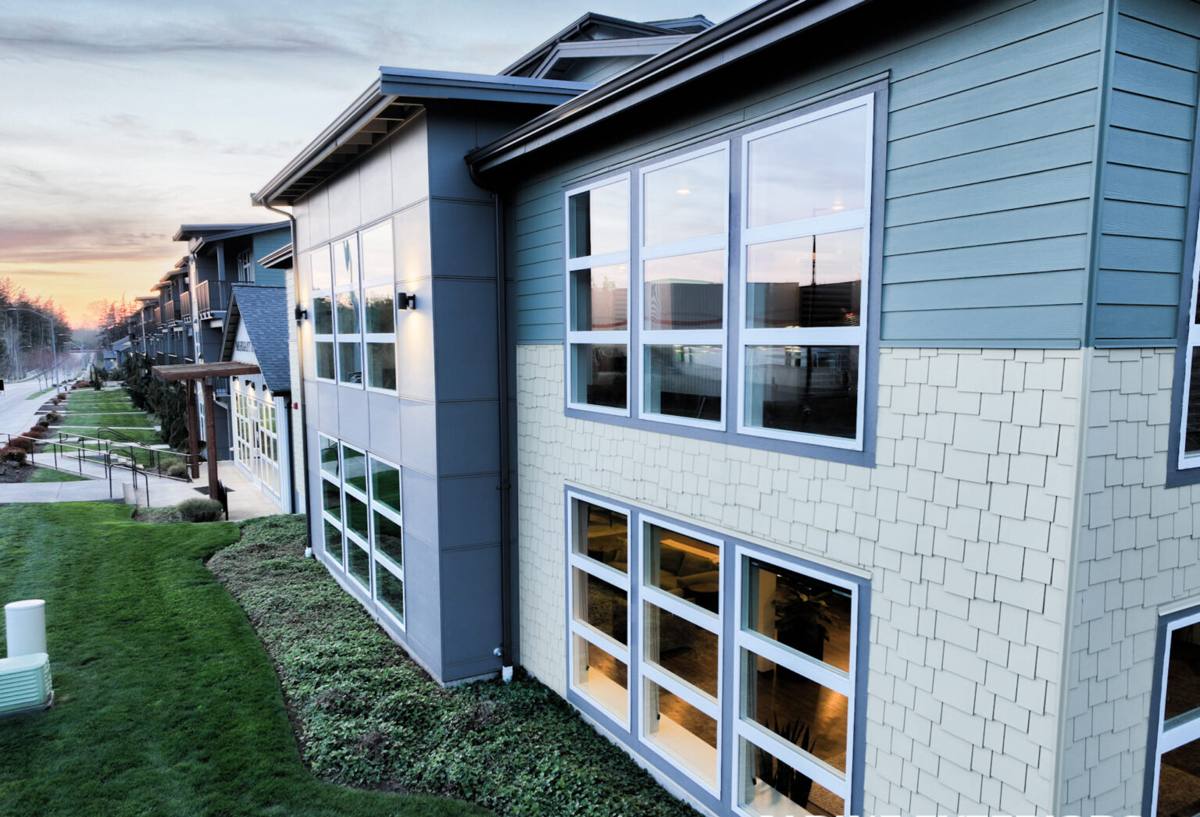
What the Coastal Environment Actually Does to Windows
None of this is theoretical — it's the day-to-day reality of a Gulf-front and near-Gulf address in Pinellas County.
Salt Air and Corrosion
Airborne salt settles on everything, including window frames, hardware, and fasteners. Aluminum and steel components that aren't rated or coated for coastal exposure corrode faster here than almost anywhere else in the region. Corroded fasteners and hinges are one of the most common reasons an otherwise sound window starts to leak, stick, or fail to lock properly a few years after installation.
Wind-Driven Rain
Storms don't need to be hurricanes to push rain sideways into a window assembly. Wind-driven rain finds any gap in flashing, sealant, or the mating surfaces around a window frame. On a barrier island, that kind of weather is a regular event, not a once-a-year emergency, which is why the water-management details of an installation matter as much as the window unit itself.
UV Exposure
Reflected sunlight off open water and sand adds to already intense Florida UV. Over time, UV breaks down vinyl, degrades sealants, and fades interior finishes near windows that aren't properly glazed or shaded. Frame material and glass coatings both play a role in how well a window holds up.
Wind Load
Hurricane-force wind events are a real design consideration for any home this close to open water. Windows and their installation have to be matched to the wind pressures and wind-borne debris exposure the home actually faces — not just installed to a generic standard.
Impact-Rated vs. Non-Impact Windows: The Real Trade-Offs
Homeowners near the water often ask whether they need impact-rated glass or whether a standard window paired with separate storm protection is enough. Both are legitimate approaches; the right one depends on the home, the budget, and how much you want to manage before a storm.
| Factor | Impact-Rated Windows | Standard Windows + Shutters/Panels |
|---|---|---|
| Storm prep | None — permanently protected | Shutters/panels must be installed before each storm |
| Upfront cost | Higher per opening | Lower window cost, added shutter/panel cost |
| Daily use | Normal windows, no extra hardware | Extra hardware to store, maintain, and deploy |
| UV & noise | Laminated glass also cuts UV and outside noise | Depends on glass package chosen separately |
| Insurance | Often qualifies for windstorm mitigation credits | Credits usually depend on shutter/panel rating and coverage of all openings |
| Building code path | Meets wind-borne debris protection on its own | Requires code-compliant shutters on every opening, every time |
Our standard recommendation for barrier island homes is impact-rated glass wherever the budget allows, simply because it removes the "did we cover every opening in time" variable from every storm season. But we'll walk through both paths honestly, including cost, rather than push one product line.
What a Correct Window Installation Actually Involves
The window unit itself is only part of the job. Most window failures we get called out to fix — leaks, fogging, drafts, frames pulling away from the wall — trace back to installation shortcuts, not the window product. A correct installation on a coastal home includes:
- Removing the old window and inspecting the rough opening, sill, and surrounding framing for hidden water damage or rot before anything new goes in
- Repairing or replacing any compromised framing or sheathing found during that inspection — not building over a problem
- Installing flashing that directs water out and away from the opening, layered correctly with the home's existing weather-resistive barrier
- Using fasteners and anchors rated for the wind load the opening needs to resist, at the spacing the window manufacturer and code require
- Sealing with sealants and backer rod suited for coastal UV and salt exposure, not a generic caulk
- Setting the window plumb, level, and square, and confirming it operates smoothly before final trim goes on
- Finishing interior and exterior trim in a way that sheds water rather than trapping it against the frame
Skipping or rushing any one of these steps is invisible on install day and expensive two or three years later, once salt air and storm cycles have had time to find the weak point.
Our Process for Indian Shores Window Projects
1. On-Site Assessment
We look at each opening individually — not just the window, but the wall assembly, current flashing, and any signs of past water intrusion. Barrier island homes vary widely in age and construction, so we don't quote off a generic template.
2. Product and Glass Selection
We go over frame material, glass package (including Low-E coatings and impact-rated laminated options), and wind rating together, with real numbers on cost and performance so the decision is yours to make with full information.
3. Permitting
Window replacement in Pinellas County generally requires a permit, and coastal properties often have additional wind-load documentation tied to the Florida Building Code's wind-borne debris requirements. We handle the permit application and inspection scheduling as part of the job — you shouldn't have to chase that paperwork yourself.
4. Removal and Prep
Old windows come out carefully to protect interior finishes and give us a clean look at the opening underneath. Any framing or sheathing repairs happen here, before the new window goes in.
5. Installation
Flashing, fastening, and sealing are done to the standards outlined above, matched to the wind rating your permit calls for.
6. Inspection and Cleanup
We test operation and seal quality on every opening, coordinate the required county inspection, and leave the site clean.
Permitting and Code Considerations Specific to This Area
Pinellas County and the Florida Building Code set wind-load and wind-borne-debris requirements based on a property's location and exposure, and coastal barrier island addresses like Indian Shores typically fall under stricter design pressures than homes further inland. The specific requirement for your home depends on its exact location, elevation, and construction — that's determined at the permitting stage, not guessed at ahead of time. What matters for you as a homeowner is working with an installer who pulls the correct permit, submits the right wind-load documentation, and gets the work through final inspection — rather than one who treats permitting as optional or "handles it later." An installed window that never passed inspection can complicate a home sale or an insurance claim down the road.
Frame Material: What Holds Up Near the Gulf
| Frame Material | Coastal Performance | Maintenance |
|---|---|---|
| Vinyl | Good corrosion resistance; quality varies by manufacturer | Low — occasional cleaning, no repainting |
| Aluminum | Strong but needs marine-grade coating to resist salt corrosion | Moderate — watch for coating wear over time |
| Fiberglass | Very stable in heat/humidity swings, resists corrosion well | Low — durable finish, higher upfront cost |
| Wood (uncoated/unclad) | Poor fit for direct salt exposure without cladding | High — regular sealing and repainting needed |
We generally steer coastal installations toward vinyl, fiberglass, or properly coated aluminum, and away from bare wood frames on any opening with direct salt air exposure. That's a maintenance-and-longevity call, not a knock on wood as a material — it simply asks more upkeep than most homeowners want to commit to a block from the water.
What to Check Before You Hire a Window Installer on the Island
- Current Florida contractor license and insurance, verifiable through the state license lookup
- Experience specifically with coastal/barrier island installations, not just inland residential work
- A written proposal that names the wind rating, glass package, and frame material — not just "impact windows"
- Confirmation that they pull the permit and schedule the required inspection themselves
- A clear explanation of how they'll handle any rot or framing damage found once the old window is out
- References or completed work you can actually see, not just a sales brochure
Caring for New Windows After Installation
Even a well-installed coastal window benefits from basic upkeep: rinsing salt residue off frames and tracks periodically, checking weep holes for debris so water drains as designed, and having seals and hardware inspected every couple of years. None of this is heavy work, but skipping it entirely shortens the life of even a top-tier installation in a Gulf-front environment.
If you're weighing a window project for an Indian Shores home, we're happy to take a look and talk through what your specific home needs — no pressure, no obligation. Use the form below to request a free estimate.