 Largo Window
 Dunedin Sits Right on the Gulf Coast Weather Line
Dunedin's Gulf-facing location on the Pinellas County peninsula is one of the reasons homes here age differently than siding manufacturers assume in a generic install guide. A house in this part of Florida deals with hurricane-force wind loading during storm season, near-constant UV exposure the rest of the year, wind-driven rain that gets pushed sideways into wall assemblies during squalls, and a steady dose of salt-laden air coming off the water. None of those stressors are occasional here — they're the baseline. Siding that isn't specified and installed with that baseline in mind tends to show it early: fading, swelling at the edges, fastener corrosion, and gaps that let moisture behind the cladding.
This page is specifically about James Hardie fiber cement siding for Dunedin homes — what the climate demands from the product, what a correct installation actually involves, how our process works, and why it matters to hire a crew that already has Dunedin jobs under its belt rather than one working the area for the first time.
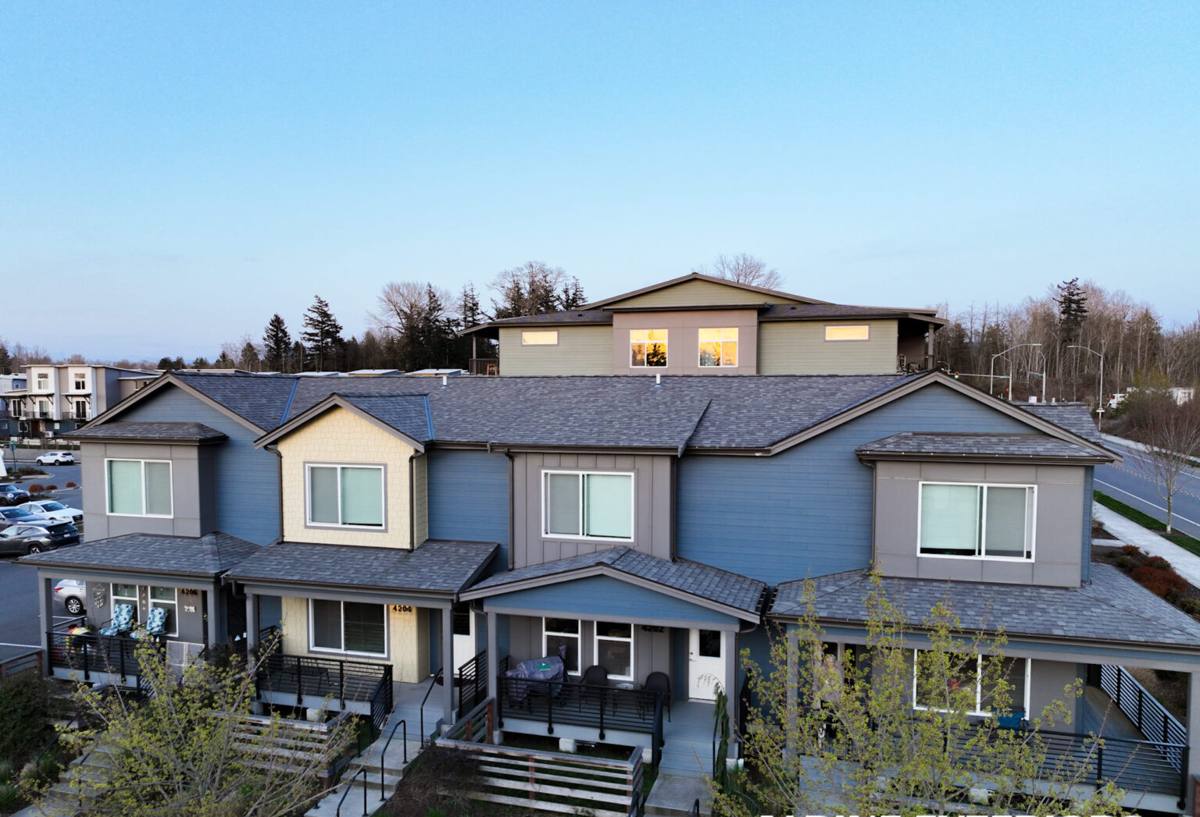
Why We Install James Hardie and Nothing Else
We install James Hardie fiber cement exclusively — no vinyl, no LP SmartSide, no Cemplank, no Allura, no primed spruce or cedar. That's a standard we hold ourselves to, not a claim that every other product on the market is unusable. Vinyl can soften and warp in sustained heat and take a beating in wind-borne debris; engineered wood products depend on their outer coating staying intact to keep moisture out, which is a harder bar to clear in a humid, storm-exposed coastal environment; cedar and primed wood need consistent maintenance to hold up against UV and moisture cycling. Fiber cement is non-combustible, dimensionally stable across heat and humidity swings, and — when it's the Hardie product line specifically — factory-engineered for exactly the climate zone Dunedin sits in. We'd rather put one product on a home and stand behind it fully than juggle installation methods across five different materials.
HZ10: Built for the Gulf Coast, Not Just "Florida-Rated"
James Hardie splits its siding formulation into two climate zones — HZ5 for the colder, freeze-thaw regions that make up most of the country, and HZ10 for hot, humid Gulf Coast climates like Pinellas County. The HZ10 formulation is engineered around resistance to moisture-related issues that show up faster in sustained heat and humidity, which is exactly the environment Dunedin sits in for most of the year. Specifying the correct zone isn't a marketing detail — it's the difference between a board formulated for this climate and one that technically works but wasn't built for it.
ColorPlus Finish Against Salt Air and UV
Dunedin's combination of intense year-round sun and salt-tinged coastal air is hard on any painted surface. Hardie's ColorPlus Technology is a factory-applied, baked-on finish that holds color and resists fading, chipping, and cracking far better than field-applied paint typically manages under this kind of exposure. It also carries its own finish warranty, separate from the substrate warranty on the board itself — two layers of protection instead of one.
What a Correct Installation Actually Involves
Fiber cement siding is only as good as the install behind it. Hardie's own installation instructions exist for a reason, and in a hurricane-exposed coastal market like Dunedin, skipping or shortcutting them is where problems start — usually not in year one, but three, five, or ten years down the line when moisture has had time to work behind the boards.
| Install Element | What It Should Look Like | Why It Matters in Dunedin |
|---|---|---|
| Fastening pattern | Follows the wind-zone-specific schedule, not a generic spacing | Wind uplift and lateral loads during storm season are higher here than in most of the country |
| Clearances | Minimum gaps maintained above roofing, decks, and grade | Prevents standing water and wicking during heavy, wind-driven rain events |
| Flashing & water management | Proper head flashing, weather-resistive barrier, and sealed penetrations | Wind-driven rain finds any gap left in the water management plan |
| Fasteners & hardware | Corrosion-resistant fasteners rated for coastal exposure | Standard fasteners corrode faster in salt air, leading to streaking and loosened boards |
| Joint treatment | Properly caulked or shiplap-joined per manufacturer spec | Open joints are the most common entry point for wind-driven moisture |
Wind Load and Product Approval
Florida's building code requires siding products and installation methods in wind-exposed areas to carry current product approval documentation tied to the wind speeds mapped for the area. That paperwork isn't a formality — it's what ties the specific Hardie product, fastening schedule, and clearance details together into an installation that's actually rated for what Dunedin sees during hurricane season.
Our Process for a Dunedin Hardie Project
- On-site assessment of the existing siding, wall assembly, and any moisture or storm damage already present
- Product and ColorPlus color selection suited to your home's exposure — south- and west-facing walls closest to the water get extra attention
- Permitting and confirmation of the correct wind-zone fastening and product approval documentation for your address
- Removal of old siding and inspection of the sheathing and water-resistive barrier underneath before anything new goes up
- Installation to Hardie's climate-specific spec — fastening, clearances, flashing, and joint treatment done in the correct order
- Final walkthrough and inspection before we consider the job finished
That inspection step underneath the old siding matters more than homeowners usually expect. New Hardie boards installed over a compromised or already-wet wall assembly will hide a problem instead of solving it, and in a climate that gives moisture plenty of opportunities to get in, that's not a step we skip.
Why a Crew That Already Works Dunedin Matters
A contractor working Dunedin regularly already knows the local permitting process, the wind-zone requirements that apply to the area, and the kinds of wall assemblies common in the city's older and newer neighborhoods alike. That familiarity shows up in fewer surprises mid-project — permit delays, unexpected code requirements, or install details that a crew unfamiliar with coastal Pinellas County jobs might not think to check. It also means we've already seen how Hardie siding performs on homes with the same sun exposure and salt air your house deals with, rather than guessing at how a spec sheet translates to real conditions here.
Cost Factors on a Dunedin Hardie Project
Every home is different, and we don't publish blanket pricing because the real cost drivers vary house to house. In general terms, the factors below move the number more than anything else.
| Factor | How It Affects Cost |
|---|---|
| Home size and wall complexity | More corners, dormers, and cutouts mean more labor and material waste |
| Existing wall condition | Sheathing or framing repairs found during removal add scope |
| Product line and profile | Lap siding, shingle profiles, and board-and-batten carry different material and labor costs |
| ColorPlus vs. primed-for-paint | Factory finish costs more upfront but avoids a separate paint job and repaint cycle |
| Accessibility | Multi-story sections, tight lot lines, or landscaping obstacles add labor time |
The only way to get a real number is a walk-through of the actual house, which is what a free estimate is for.
Signs Your Dunedin Home May Need New Siding
- Visible warping, buckling, or soft spots when you press on the siding
- Paint or finish that's fading, chalking, or peeling faster than it should
- Gaps opening up at seams, corners, or around windows and doors
- Rust streaking near fasteners or hardware
- Rising utility bills that suggest the wall assembly isn't insulating or sealing the way it used to
- Visible moisture staining, mold, or a musty smell along interior walls that back up to exterior siding
- Siding that's simply reached the end of its expected service life and hasn't been replaced since original construction
Maintaining Hardie Siding After Installation
Fiber cement is low-maintenance compared to wood or vinyl, but "low-maintenance" doesn't mean "no maintenance," especially this close to the Gulf. A periodic gentle rinse to clear salt residue and airborne grime goes a long way toward keeping a ColorPlus finish looking the way it did on install day. After any major storm, it's worth a quick visual check for loosened boards, damaged caulking at joints, or debris impact — catching a small issue early is a lot cheaper than letting it sit through another storm season.
If your Dunedin home is due for new siding or you want a second opinion on what's currently on the walls, we're happy to take a look and put together a free, no-pressure estimate — no obligation, just a straight answer on what your house actually needs.