 Largo Window
 Why Indian Rocks Beach Siding Takes a Different Approach
Indian Rocks Beach sits on a narrow barrier island in Pinellas County, connected to Largo and the rest of the mainland by causeway. Homes here face a harsher exterior environment than properties a few miles inland: constant salt-laden air blowing off the Gulf, direct year-round UV exposure with almost no tree canopy to soften it, wind-driven rain that gets pushed sideways and upward during storms, and the real possibility of hurricane-force wind loads during the season. Siding that holds up fine in a shaded inland Largo neighborhood can chalk, crack, or start failing at the seams years early once it's a block from the water.
That's why we treat every Indian Rocks Beach job as a coastal installation, not a standard one. The product spec, the fastening pattern, the flashing detail, and the attention to moisture management all get adjusted for what this exposure actually does to a house over time.
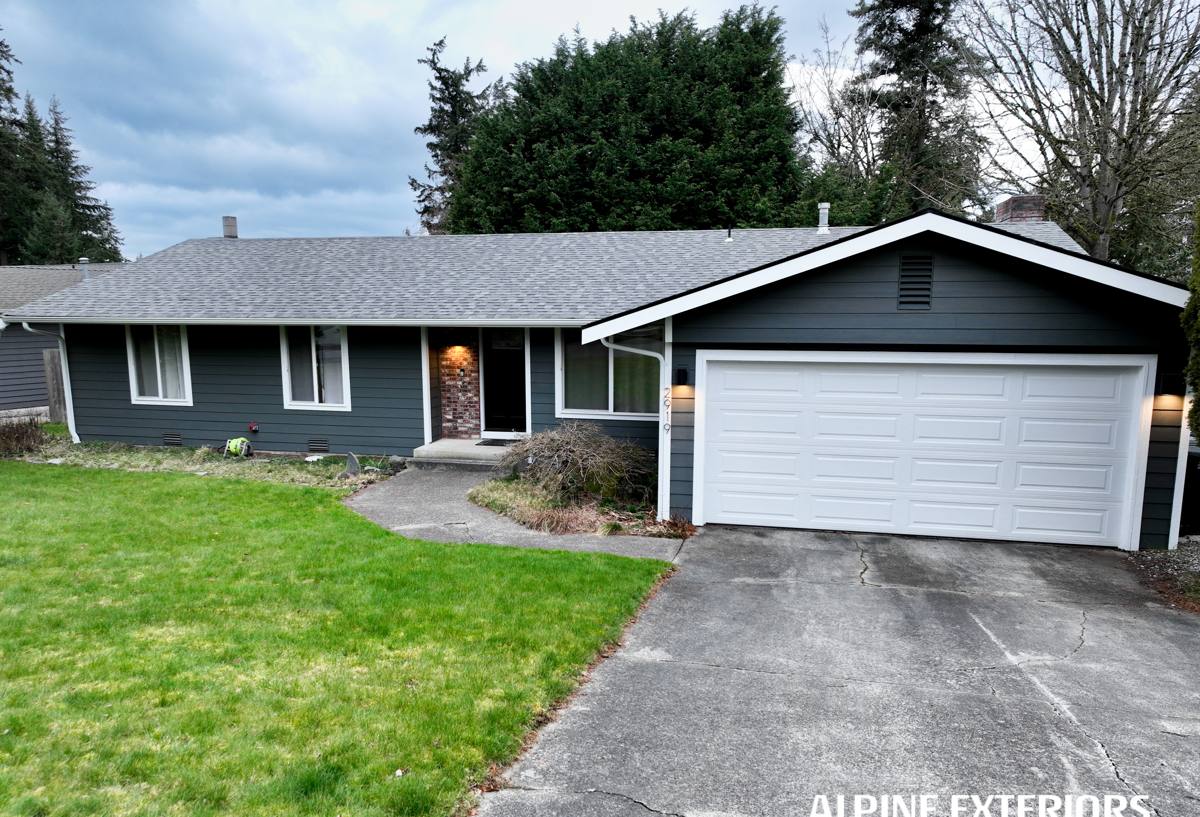
What James Hardie Fiber Cement Brings to a Barrier Island Home
We install James Hardie fiber cement siding exclusively — it's the only product we put on homes, whether the job is on the beach in Indian Rocks Beach or inland in Largo. Fiber cement is made from cement, sand, and cellulose fibers, cured into a rigid, non-combustible board that doesn't absorb moisture, warp, or feed insects the way wood-based products can. For a Gulf-front climate, that composition matters more than it does almost anywhere else in the country.
Built for This Climate, Not Adapted to It
James Hardie manufactures a specific HZ5 formulation engineered for high-humidity, hurricane-exposed regions like the Florida Gulf Coast, as opposed to a general-purpose formulation sold in drier parts of the country. That distinction is one of the reasons we standardized on this brand — the product line itself is built around the reality of the climate it's going into, not a one-size-fits-all board.
ColorPlus Finish vs. Field-Applied Paint
James Hardie's ColorPlus technology is a factory-applied, baked-on finish cured under controlled conditions before the boards ever leave the plant. That finish holds up to UV and salt exposure noticeably better than paint applied on-site after installation, which is exactly the kind of detail that separates a siding job that looks good for a couple of years from one that looks good for a couple of decades.
The Four Things Working Against Your Siding Here
Salt Air and Corrosion
Airborne salt settles continuously on siding, trim, and fasteners near the Gulf. Over time it accelerates corrosion in anything not rated for the exposure — which is why fastener choice and flashing material matter as much as the siding board itself on an Indian Rocks Beach home.
Year-Round UV
Without much shade cover on most barrier island lots, siding here takes a near-constant sun load. Weaker finishes fade, chalk, or go brittle faster under that kind of exposure than they would inland.
Wind-Driven Rain
Coastal storms don't just drop rain straight down — they push it sideways and up under eaves, laps, and around windows and doors. Siding that isn't lapped, flashed, and sealed correctly at every penetration will let that water find its way behind the cladding, which is where the real damage starts.
Hurricane-Force Wind Loads
Fastening schedule and clearances aren't cosmetic details on a coastal install — they're what keeps the siding attached to the house during a wind event. Panels that separate in high wind don't just mean a repair bill; they become debris.
What Correct Installation Actually Involves
James Hardie backs its product with a strong transferable warranty, but that warranty is conditioned on installation following the manufacturer's specifications. A correct install on a home like this includes:
- A weather-resistive barrier installed behind the siding, lapped and sealed correctly at every seam
- Manufacturer-specified fastener type, spacing, and penetration depth — not a generic nailing pattern
- Proper minimum clearances from grade, roofing, decks, and other horizontal surfaces so water has somewhere to go
- Correct flashing and sealant detail at every window, door, and wall penetration
- Panel and trim gaps sized for expansion, caulked with a product rated for the exposure
- Butt joints and corners detailed to shed water rather than trap it
Skip any one of these and you can end up with a house that looks right for a season or two but is quietly taking on moisture behind the boards — which is a far more expensive problem to fix than the siding itself.
Our Process, Start to Finish
On-Site Assessment
We walk the exterior, check the condition of the existing substrate, note trouble spots around windows, roof lines, and grade clearance, and talk through what the home actually needs given its exposure and orientation to the Gulf.
Prep and Moisture Barrier
Old siding comes off, the sheathing gets inspected and repaired where needed, and a proper weather-resistive barrier goes down before a single piece of Hardie board is hung. This step gets skipped or rushed more often than any other on lower-quality jobs, and it's the one that determines how the house performs for the next twenty years.
Installation
Boards are cut, fastened, and flashed to James Hardie's published specifications for the HZ5 climate zone — correct fastener spacing, correct clearances, correct joint and corner treatment.
Final Walkthrough
We inspect every elevation with you before calling the job done, checking lines, seams, caulking, and trim detail, and answer any questions about care going forward.
Choosing the Right Hardie Product for This Exposure
James Hardie makes several profiles, and the right one depends on the home's style and how much direct exposure a given elevation gets.
| Product | Best Use | Coastal Notes |
|---|---|---|
| HardiePlank Lap Siding | Most traditional and coastal home exteriors | Most common choice; wide range of ColorPlus finishes suited to Gulf-front homes |
| HardiePanel Vertical Siding | Modern facades, accent walls, gable ends | Fewer horizontal laps to detail, useful on exposed gables |
| HardieShingle Siding | Cottage- and beach-style architecture | More labor-intensive flashing detail given the shingle pattern |
| HardieTrim Boards | Corners, fascia, window and door trim | Pairs with any siding line; critical for sealing penetration points |
What Drives Cost on an Indian Rocks Beach Project
We don't quote broad numbers without seeing the house, but the factors below are what typically move a bid up or down on a barrier island job.
| Factor | Why It Matters |
|---|---|
| Removal and disposal of existing siding | Old material condition and layer count affects tear-off time |
| Substrate repair | Rot or moisture damage found underneath adds material and labor |
| Site access and staging | Tight barrier island lots can limit material staging and equipment access |
| Trim and architectural detail | More corners, window trim, and roof intersections mean more flashing work |
| Product line and color | ColorPlus color selection and profile choice affect material cost |
Living With Hardie Siding in a Salt-Air Climate
Fiber cement with a factory finish is low-maintenance compared to wood or vinyl, but "low-maintenance" isn't "no-maintenance" a block from the Gulf. A few habits keep it performing the way it's designed to:
- Rinse the exterior periodically to clear accumulated salt residue, especially on Gulf-facing elevations
- Walk the house once or twice a year and check caulking around windows, doors, and trim joints for cracking or separation
- Keep an eye on areas near grade and around downspouts where water tends to concentrate
- Keep irrigation heads and dense landscaping from spraying or pressing directly against the siding
- Address any hairline cracks or separated trim joints promptly rather than letting them sit through a storm season
- You should not need to repaint — ColorPlus finish is designed to hold color well past what field-applied paint typically manages
Why Hiring a Crew That Already Works Indian Rocks Beach Matters
A siding crew that mostly works dry, inland neighborhoods and occasionally takes a beach job doesn't have the same instinct for this exposure as one that works it regularly. Barrier island lots come with their own access and staging constraints, permitting runs through the local building department, and the wind and moisture detailing simply has to be tighter here than it does a few miles west of the water. Crews that already know the island — the typical lot layout, the permitting process, the way salt air and sun actually behave on a Gulf-front elevation — catch the details that get missed by a crew installing to a generic spec.
If you're considering new siding for a home in Indian Rocks Beach, we're happy to take a look and walk you through what it would actually involve for your specific house. Reach out for a free, no-pressure estimate using the form below.