 Largo Window
 Board & Batten Siding in Kenneth City's Climate
Kenneth City sits in a tight, established pocket of Pinellas County surrounded by Largo, St. Petersburg, and Seminole — close enough to the Gulf that salt-laden air, humidity, and storm exposure are a daily fact of life for every exterior surface on a house. Board and batten siding has become a popular choice here because of its clean, vertical architectural look, but that look only holds up if the material underneath and the installation behind it are built for this specific climate. A board and batten job that would hold up fine in a dry inland climate can fail quickly in Kenneth City if the wrong product or the wrong technique goes on the wall.
We install board and batten siding for homes in Kenneth City using James Hardie fiber cement exclusively. This page covers what local homes actually need from this siding style, what a correct installation looks like, and how our process works from first visit to final walk-through.
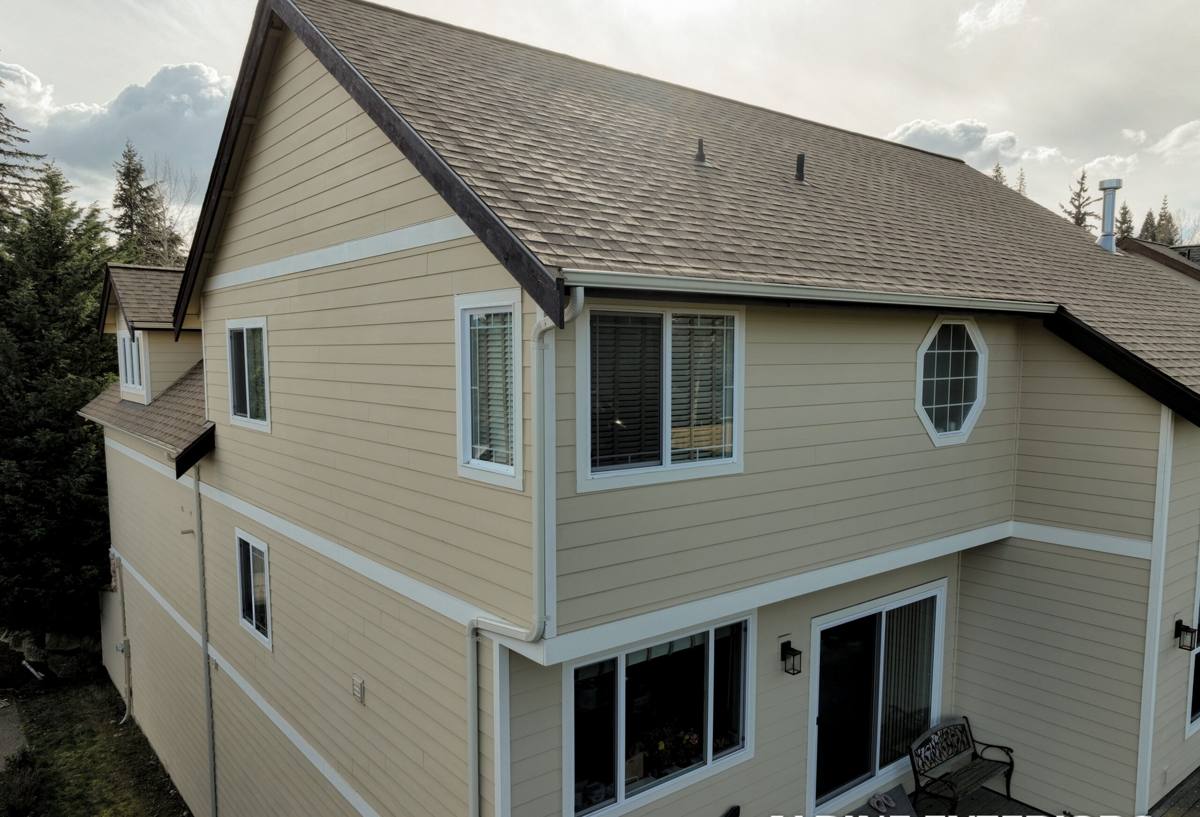
What Kenneth City Homes Need From Board & Batten Siding
Hurricane-Force Wind Exposure
Pinellas County homes are built to wind-load requirements that assume tropical storm and hurricane exposure is a matter of when, not if. Board and batten's vertical board-and-strip design creates more seams and more fastening points than a standard lap profile, which means the fastening schedule and panel attachment matter even more here than they do elsewhere. Loose or under-fastened battens are one of the first things to fail in sustained wind.
Wind-Driven Rain at the Seams
Every vertical joint in a board and batten wall is a potential path for wind-driven rain to get behind the cladding. In Kenneth City's storm pattern, rain rarely falls straight down — it comes in sideways, and it comes in repeatedly through the wet season. The batten strips are there to shed water off the seam, but they only work if they're installed with the right reveal, the right fastening, and a properly detailed water-resistive barrier underneath.
Intense, Year-Round UV
Florida sun is not seasonal the way it is further north — siding here takes a full UV load nearly every month of the year. Paint film, caulking, and any exposed wood-based product degrade faster under this kind of exposure. A factory-applied, UV-stable finish holds its color and its integrity far longer than a finish applied on site after installation.
Salt Air Corrosion
Kenneth City isn't beachfront, but it's close enough to the Gulf that salt content in the air is a real factor for anything metal on the exterior of a house — fasteners, flashing, trim accessories. Corroding fasteners in a board and batten system don't just rust and stain; they lose holding power over time, which is exactly the wrong thing to have happen to the boards holding your siding on.
Why We Install Only James Hardie Fiber Cement for This Style
Board and batten is available in several materials — engineered wood, vinyl, and fiber cement among them. We standardized our siding install work on James Hardie fiber cement and don't install LP SmartSide, vinyl, Cemplank, Allura, primed spruce, or cedar. That's a deliberate professional standard, not a sales position.
Fiber cement is non-combustible, dimensionally stable in Florida's humidity swings, and holds a factory-baked ColorPlus finish that's built to handle intense UV without the fade and chalk you get from field-applied paint. James Hardie also engineers products specifically for climates like ours under its HZ10 designation, which accounts for moisture and humidity exposure in a way a one-size-fits-all national product doesn't. For board and batten specifically, that means panels and battens that hold their fastening integrity and their finish over the long haul in exactly the conditions Kenneth City homes face.
What a Correct Board & Batten Installation Involves
Board and batten is deceptively simple-looking, which is part of why it gets installed badly more often than a standard lap profile. A correct install involves several details that don't show up in the finished appearance but determine whether the siding performs for its full service life.
- A continuous, properly lapped water-resistive barrier behind the panels, with all penetrations and transitions flashed before a single board goes up
- Correct furring or direct-to-sheathing attachment method, matched to the wall assembly and local wind zone requirements
- Batten spacing and reveal set to shed water rather than trap it against the seam
- Fastener type, length, and spacing that meet manufacturer and local code wind-load requirements — not just "enough to hold it up"
- Corrosion-resistant fasteners and flashing accessories appropriate for coastal-influenced air
- Proper clearance at grade, decks, and roof lines so the bottom edge of the siding never sits in standing water or constant moisture
- Factory-finished panels installed with manufacturer-specified caulking only where the system calls for it — not as a substitute for correct flashing
Skip any one of these and the siding can still look right for a year or two before the underlying problem shows up as a soft spot, a stain, or a batten that's come loose in a storm.
Our Process, Start to Finish
Assessment and Measurement
We start with an on-site look at the specific walls involved — sun exposure, drainage at grade, existing trim and window details, and the condition of whatever siding or sheathing is there now. Board and batten calls for accurate layout planning before install, since panel and batten spacing has to work out cleanly around windows, doors, and corners.
Tear-Off and Substrate Check
Old siding comes off and we check the sheathing and framing underneath for any moisture damage before anything new goes on. Covering up a wet or compromised substrate is one of the most common shortcuts in this trade, and it's one we don't take.
Weather Barrier and Flashing
A new water-resistive barrier goes on with all seams, windows, doors, and penetrations properly flashed and lapped in the correct shingle-style sequence so water is always directed out and down, never trapped behind the wall.
Panel and Batten Installation
Hardie panels and battens go up to the fastening schedule and reveal spacing appropriate for the wind exposure and the specific product line, with corrosion-resistant fasteners throughout.
Trim, Sealant, and Final Detailing
Corners, window and door trim, and any transition points get finished per manufacturer specification, using sealant only where the system is designed for it.
Walk-Through
We walk the finished job with the homeowner, check every elevation, and confirm cleanup before calling it done.
Board & Batten Material Comparison for This Climate
| Factor | James Hardie Fiber Cement | Engineered Wood / Vinyl / Cedar Alternatives |
|---|---|---|
| Finish stability under Florida UV | Factory ColorPlus finish engineered for long-term color retention | Field-applied or lower-grade finishes fade and chalk faster under year-round sun |
| Moisture behavior | Non-organic, dimensionally stable, engineered for humid climates (HZ10) | Wood-based products can swell, rot, or delaminate if moisture reaches the substrate |
| Wind performance | Rated fastening systems suited to Florida wind-load code | Varies widely; lighter materials can be more vulnerable to wind-driven failure |
| Fire resistance | Non-combustible material | Combustible in wood-based and some vinyl products |
| Warranty structure | Strong transferable manufacturer warranty when installed to spec | Warranty terms and transferability vary, often more limited |
Why a Crew That Already Works Kenneth City Matters
Kenneth City is a small, dense municipality with its own permitting relationship to Pinellas County and its own inspection expectations layered on top of Florida Building Code wind requirements. A crew that already works this specific area knows what the local permitting process actually looks like, what inspectors here tend to check closely, and how tight lot lines and close-set homes affect staging, access, and neighbor coordination during a siding job. That local familiarity shortens the project timeline and avoids the delays that come from a crew learning the area's quirks on your job.
It also means we're not guessing about exposure conditions. A home a few blocks from a canal or open water faces different salt and moisture exposure than one further inland, even within the same small community, and a crew that's worked multiple Kenneth City streets has a feel for that variation.
Vetting Any Siding Contractor Before You Hire
Whether you call us or someone else, a few basics protect you on a job this size.
- Confirm active Florida contractor licensing and current insurance
- Ask specifically which siding material and product line they install, and why
- Ask how they handle sheathing and moisture issues found during tear-off
- Get the fastening and flashing approach explained in plain language, not just "we follow code"
- Ask whether the manufacturer warranty stays intact with their installation, and what voids it
- Confirm they'll pull the proper local permit rather than skip it
Maintenance and What to Expect Afterward
A correctly installed James Hardie board and batten system asks very little of a homeowner going forward — periodic rinsing to clear salt residue and pollen, a visual check after major storms for any loose trim or debris impact, and prompt attention to any caulking that shows cracking at the joints designed to have it. Because the color is baked into the panel at the factory, there's no repainting cycle to plan for the way there is with field-finished materials.
If you're weighing board and batten siding for a home in Kenneth City, we're happy to take a look and walk you through what your specific walls need. Reach out for a free, no-pressure estimate — there's a form right below to get started.