 Largo Window
 Deck Repair in Kenneth City: What Local Homes Are Up Against
Kenneth City is a small, tightly packed residential community tucked into Pinellas County near Largo, and most of its homes have had a deck, porch structure, or elevated outdoor living space for years. In this part of Florida, a deck doesn't age the way it would in a drier or cooler climate. Hurricane-force wind gusts stress fasteners and framing connections. Intense, nearly year-round UV breaks down wood fibers and fades or chalks composite and paint finishes. Wind-driven rain gets forced sideways into places a deck was never designed to shed water quickly. And salt air drifting in off the Gulf and Tampa Bay accelerates corrosion on nails, screws, and hardware faster than most homeowners expect.
None of this means a deck in Kenneth City is doomed — it means a deck here needs the right materials, the right fasteners, and periodic attention to stay safe and look good. Deck repair, done correctly, is about addressing what the climate has actually done to the structure, not just patching what's visible.
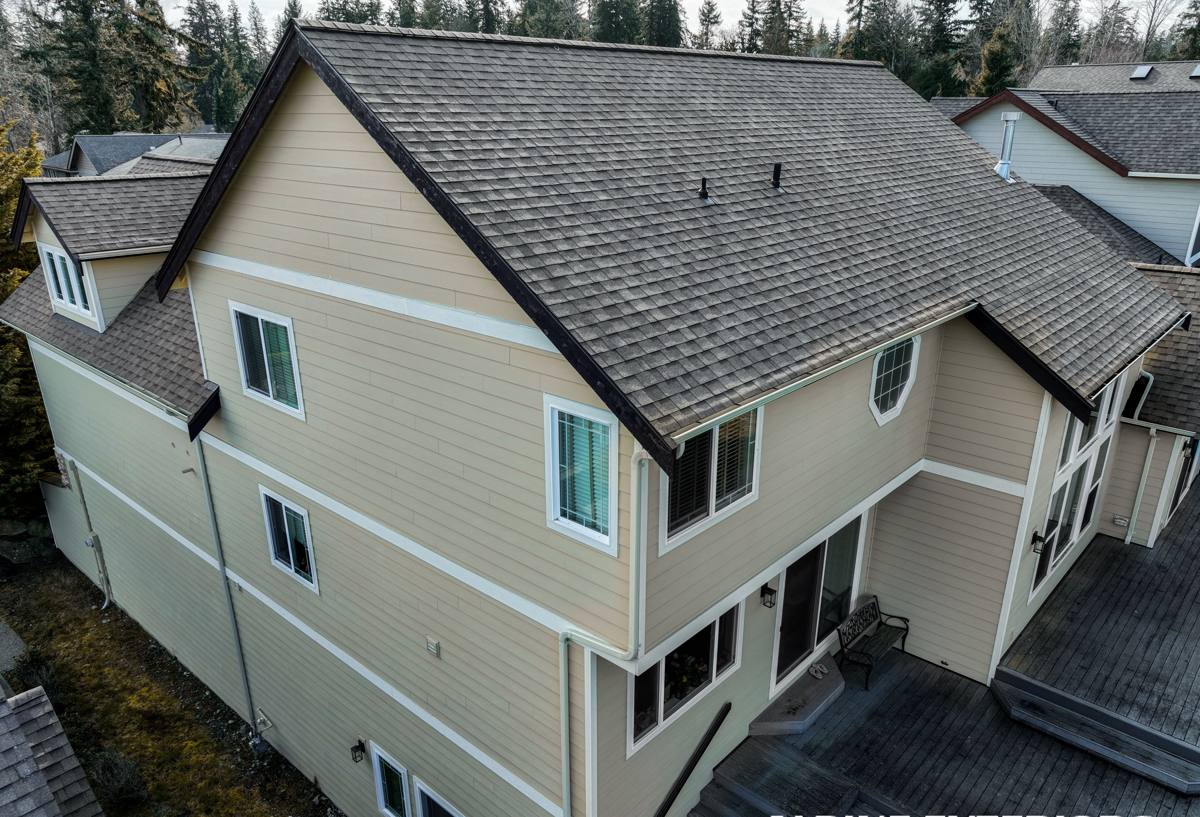
Signs Your Deck Needs Repair, Not Just a Cleaning
A lot of deck problems get missed because they look cosmetic on the surface. Some of the most common signs we see on Pinellas County decks include:
- Boards that feel spongy, bounce, or flex noticeably when you walk on them
- Rust streaks running down from screw heads or bolt connections
- Gaps opening up between the deck and the house where the ledger board attaches
- Railings or posts that wiggle more than they did a year ago
- Cupping, splitting, or checking (long surface cracks) in wood boards
- Dark staining or a musty smell near joists, especially underneath the deck
- Nail heads popping up above the board surface
Any one of these can be a minor fix if caught early. Left alone through another storm season, they tend to compound — a loose railing post becomes a rotted post, a spongy board becomes a rotted joist underneath it. The earlier a repair happens, the smaller and cheaper it usually is.
Structural vs. Cosmetic Damage
Homeowners often ask us to "fix a board" when the real issue is underneath it. A board can look fine on top and still be sitting on a joist that's lost most of its strength to moisture and rot. Part of an honest deck repair visit is telling you which is which — what's genuinely cosmetic and what's a structural concern that shouldn't wait.
What a Proper Deck Repair Actually Involves
Deck repair isn't one job — it's a category of work that ranges from swapping a handful of boards to rebuilding a section of framing. A correct repair generally follows the same logic no matter the scope:
1. Find the Source, Not Just the Symptom
If a board rotted because water was pooling against the house, replacing the board without fixing the drainage or flashing just restarts the clock. We check ledger board attachment, flashing, and slope before touching cosmetic material.
2. Inspect What You Can't See From the Top
Joists, beams, posts, and the ledger connection to the house do the actual structural work. Surface boards are the wear layer. A repair that only addresses the wear layer while framing underneath is compromised isn't a repair — it's a delay.
3. Match Materials Correctly
Mixing incompatible metals (like standard steel fasteners against treated lumber, or the wrong hardware against certain composite products) causes accelerated corrosion. This matters more in a salt-air environment than it does inland.
4. Rebuild to Code, Not Just to "Look Fixed"
Guardrail height, baluster spacing, and stair rise/run all have code requirements. A repair is a chance to correct a deck that was never quite up to standard in the first place, not just restore it to its prior condition.
Wood vs. Composite: What It Means for a Repair
Whether your Kenneth City deck is natural wood, pressure-treated pine, or composite decking changes how a repair gets approached — and how it holds up afterward.
| Factor | Wood (PT Pine / Cedar) | Composite |
|---|---|---|
| Typical failure mode here | Rot at fastener points, checking from UV, moisture wicking into end grain | Surface fading/chalking, occasional swelling at cut edges if not capped |
| Repair approach | Board-by-board replacement is straightforward and inexpensive | Matching color/finish of an older run can be difficult; boards may need wider sections replaced |
| Fastener sensitivity | Standard coated deck screws generally fine if rated for treated lumber | Manufacturer often specifies particular fastener types; using the wrong ones can void warranty |
| Maintenance to prevent repeat repairs | Re-seal or stain every 1-3 years depending on sun exposure | Minimal sealing needed, but cut ends should still be capped or sealed |
We don't push homeowners toward one material over the other as a blanket rule — both work in this climate when installed and maintained correctly. What matters is that a repair uses fasteners and techniques appropriate to what's actually on your deck, not a one-size-fits-all approach.
Our Deck Repair Process
When we come out for a deck repair in Kenneth City, the visit generally looks like this:
- Full inspection — top surface, railings, stairs, and a look underneath at joists, beams, posts, and the ledger connection
- Honest scope discussion — what's cosmetic, what's structural, and what we'd genuinely recommend given the deck's age and condition
- Written estimate — broken down by what's being replaced or repaired, so you're not guessing what you're paying for
- Repair work — matched materials, corrosion-resistant fasteners appropriate for coastal Pinellas County conditions, and code-correct railing/stair work where applicable
- Final walkthrough — we point out anything worth keeping an eye on going forward, and what routine maintenance will extend the life of the repair
We're not interested in selling a full deck replacement when a targeted repair will genuinely hold up. We're also not going to patch something that needs real structural attention just to keep the invoice small. The goal is telling you the truth about what your deck needs.
Repair or Replace? What Actually Drives That Decision
This is one of the most common questions homeowners have, and the honest answer is "it depends on more than one factor." Here's what we actually weigh:
| Factor | Leans Toward Repair | Leans Toward Replacement |
|---|---|---|
| Extent of damage | Isolated boards, one or two joists, a railing section | Widespread rot across framing, multiple failed connections |
| Age of the deck | Under 10-15 years, otherwise sound structure | Original structure is old and was already patched multiple times |
| Ledger/flashing condition | Flashing intact, no ongoing water intrusion at the house | Chronic water intrusion at the ledger, wall damage behind it |
| Code compliance | Existing framing sizing is adequate | Undersized joists/beams or spacing that doesn't meet current code |
| Your plans for the home | Staying long-term, want to preserve what's working | Considering a different layout, size, or material entirely |
Most decks we see in Kenneth City and the surrounding Largo area fall into the repair category — Florida's climate is hard on decks, but it doesn't usually destroy an entire structure at once. It tends to attack specific points: fastener locations, the ledger connection, and any spot where water collects instead of draining.
Why a Crew That Already Works Kenneth City Matters
Deck repair looks different here than it does in a lot of the country, and experience with this specific stretch of Pinellas County shows up in small but important decisions. A crew that already works Kenneth City and greater Largo knows to expect galvanic corrosion issues between certain metals in salt-influenced air, knows how relentless the UV exposure is on unprotected end grain, and knows how quickly wind-driven rain finds a gap in flashing during a summer storm. That's not something you can fully substitute with a generic checklist — it comes from doing the work here, repeatedly, and seeing what actually fails and why.
It also means a contractor familiar with local permitting expectations and typical construction in this area, so a repair doesn't stall out on paperwork or get flagged for something that could have been anticipated up front.
Keeping a Repaired Deck in Good Shape
A repair is only as good as what happens after it. A few habits make a real difference in a climate like this:
- Rinse off salt residue and debris periodically, especially after storms
- Keep gutters and downspouts clear so water isn't dumping onto or near the deck
- Re-seal or re-stain wood decking on a schedule appropriate to its sun exposure — south- and west-facing sections weather faster
- Check railing and post connections for looseness once or twice a year
- Look underneath the deck occasionally, not just at the walking surface
- Address small issues (a loose board, a rust spot) before the next hurricane season, not after
None of this is complicated, but it's the difference between a repair that lasts a decade and one that needs revisiting in two years.
Get an Honest Look at Your Deck
If your deck in Kenneth City or elsewhere around Largo has a soft spot, rust streaks, a wobbly railing, or you're just not sure whether it needs a repair or something more, we're happy to take a look and give you a straight answer. Estimates are free and there's no pressure — just an honest assessment of what your deck actually needs, using the form below.