 Largo Window
 Storm Damage Roof Repair Built for Kenneth City's Climate
Kenneth City sits tucked inside Pinellas County, largely surrounded by St. Petersburg, in a part of the Tampa Bay area that takes more than its share of severe weather over the course of a year. Hurricane-force winds during storm season, wind-driven rain that gets forced sideways and upward under roofing materials instead of simply running off, intense year-round UV exposure, and salt-laden air moving in off the Gulf and the bay all put continuous stress on a roof, not just during a single named storm. A roof can look fine from the driveway while quietly hiding damage that only announces itself as a ceiling stain months later, once the next heavy rain finds the gap the last storm already opened.
This page covers what storm damage roof repair actually looks like for a Kenneth City home specifically: the kinds of damage this climate produces, what a correct repair involves as opposed to a quick patch, how to think through repair versus replacement, and how our process runs from the first call to the final walkthrough.
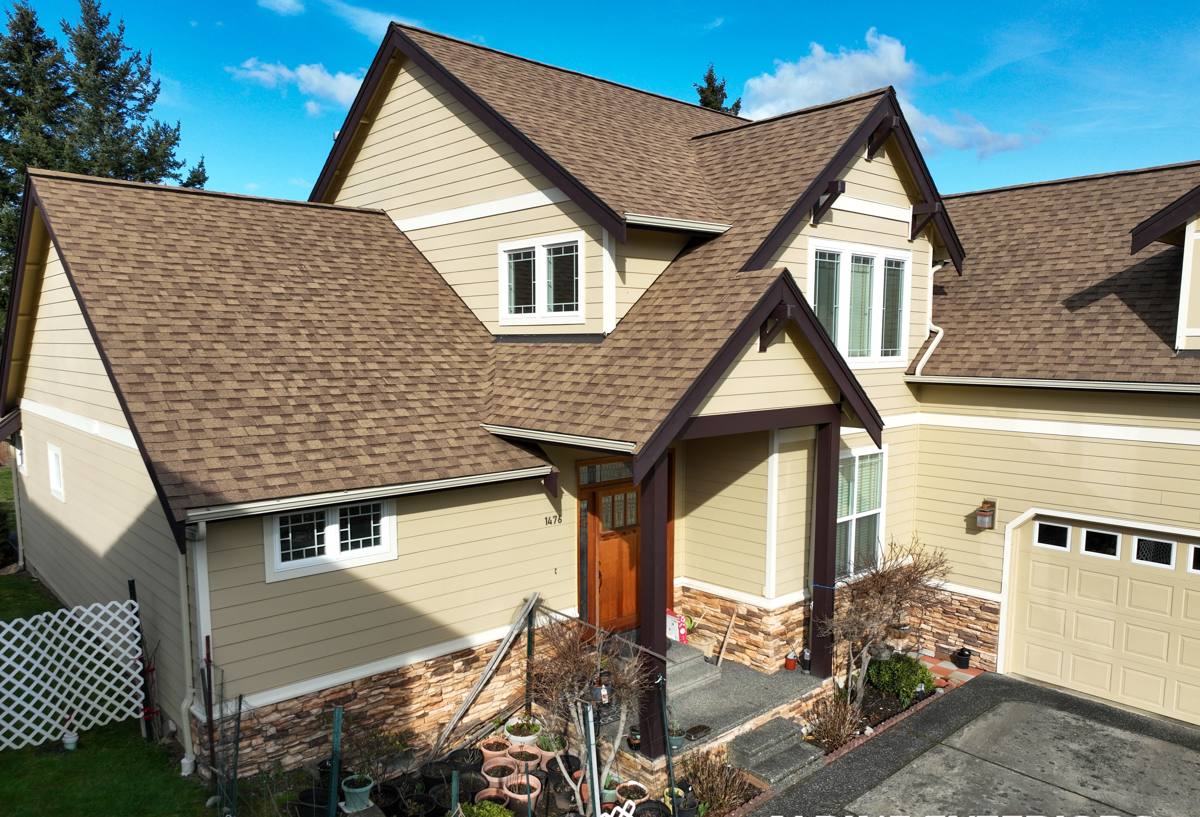
What Pinellas County Storms Actually Do to a Roof
Storm damage in this part of Florida rarely comes from one single cause. It's usually a combination of forces acting on the same roof, sometimes for years, before a named storm finishes the job.
Wind and Uplift
High wind doesn't push down on a roof, it gets underneath it. Shingle tabs, tile edges, and ridge caps are the most vulnerable points because uplift pressure concentrates at edges, corners, and ridgelines. Once wind gets under one lifted edge, it peels outward from there, which is why storm damage often shows a clear pattern radiating from a single starting point rather than random scattered spots.
Wind-Driven Rain
Rain that's being pushed sideways and forced upward behaves nothing like rain falling straight down. It finds its way under shingle laps, around fastener penetrations, and into valleys that were never designed to handle water moving against gravity. This is a major reason a roof can pass a casual visual check after a storm and still leak weeks later.
UV and Heat
Kenneth City roofs are under strong sun essentially year-round. That constant UV and heat exposure dries out shingle asphalt, breaks down sealant strips, and accelerates granule loss over time. A roof that's already been baking for a decade or more is simply more brittle and more vulnerable when a storm hits than a newer roof would be, even if both took the same wind load.
Salt Air
Proximity to Tampa Bay and the Gulf means salt-laden air is a constant, low-grade stressor on exposed metal. Drip edge, flashing, and fasteners corrode faster here than they would inland, and a corroded fastener or flashing seam is often the actual point of failure during a storm, even when the shingle or tile field around it looks intact.
Signs Your Kenneth City Roof May Have Storm Damage
Some storm damage is obvious right after a bad blow. A lot of it isn't, and shows up gradually as an interior leak or a slow-building soft spot. Worth checking for, or having a contractor check for, after any significant wind or rain event:
- Missing, lifted, cracked, or curling shingles, especially along ridges, edges, and roof corners
- Heavier-than-normal granule buildup in gutters or at downspout outlets
- Bent, lifted, or separated flashing around chimneys, vents, skylights, or wall intersections
- Cracked or displaced tiles, if the roof is a tile system
- New water stains or discoloration on interior ceilings, especially near valleys or penetrations
- Soft or spongy spots when walking the roof, which can indicate deck-level moisture damage
- Visible debris impact marks, dents, or punctures from wind-blown branches or debris
- Damaged soffit, fascia, or gutters, which often points to wind forces the roof field itself also absorbed
If more than one of these is present, it's worth having the whole roof looked at rather than just the section where damage is obvious. Storm forces rarely limit themselves to one tidy spot.
What a Correct Storm Damage Repair Involves
A storm damage repair done right is not the same thing as slapping a patch over the spot that's currently leaking. It addresses the roof as a system and accounts for damage that isn't visible yet.
Emergency Mitigation
When a roof is actively leaking or has an open section exposed to weather, the first priority is stopping further interior damage, usually with a properly secured tarp or temporary dry-in. This buys time to do the actual repair correctly rather than rushing it under pressure, especially in the days right after a storm when materials and scheduling can be tight across the whole area.
Full Inspection and Documentation
Before any repair work starts, the whole roof gets walked and inspected, not just the section where the leak or visible damage was reported. Damage from wind and wind-driven rain often extends beyond the obvious spot, and finding it now, with photos and clear documentation, matters both for doing the repair correctly and for any insurance claim that follows.
Matching Materials and Making a True Repair
A proper repair ties new material into the existing roof correctly, integrating underlayment, flashing, and shingle or tile courses rather than layering something new on top of a compromised area. Where possible, materials are matched to what's already on the roof so the repair blends in and performs consistently with the surrounding field, instead of creating a new weak seam where old and new meet.
Flashing, Underlayment, and Ventilation
Most leaks that follow a storm repair originate at flashing details and underlayment gaps, not in the open shingle or tile field. Getting these transition points properly lapped, sealed, and tied into the surrounding roof system is what separates a repair that holds up through the next storm season from one that reopens the same leak a year later.
Repair or Replacement? What Actually Decides It
Not every storm-damaged roof needs to be replaced, and not every roof can be reasonably patched back together. The honest answer depends on a handful of concrete factors, not a sales pitch either direction.
| Factor | Repair Often Makes Sense | Replacement Often Makes Sense |
|---|---|---|
| Roof age | Well under expected material lifespan | At or near the end of its expected lifespan |
| Extent of damage | Confined to one section or slope | Spread across multiple slopes, or widespread granule loss |
| Deck condition | Deck is sound underneath the damaged area | Rot or soft decking found once materials are pulled back |
| Repair history | First or second repair in this general area | Several prior patches already layered into the same section |
| Insurance scope | Adjuster's scope supports a documented section repair | Documentation supports full or partial replacement |
We'll tell you honestly which side of that table your roof falls on, including when a full tear-off isn't actually necessary. A contractor pushing full replacement on a roof that only needs a section repaired isn't doing you any favors, and neither is one who patches around damage that's clearly past the point of a reliable fix.
Working With Insurance the Right Way
Storm damage claims are common in this area, and we work with homeowners through that process regularly, but we're not going to promise a claim outcome, because that isn't ours to promise. What we can do is document damage thoroughly with photos and a clear written scope, meet an adjuster on-site to walk the roof together if that's useful, and give you a straightforward estimate you can compare against whatever the claim covers. Coverage depends on your specific policy, deductible, and the cause of loss determination, so we'd always encourage reviewing the details with your insurance agent or carrier directly rather than assuming any particular outcome in advance.
Our Storm Damage Repair Process
- Contact and priority response — active leaks and storm-exposed roofs get scheduled ahead of routine work.
- Full roof inspection — we walk the entire roof, not just the reported damage area, and document what we find.
- Written scope and estimate — a clear breakdown of what needs repair, what materials are involved, and why, with photos attached.
- Temporary mitigation if needed — tarping or dry-in to prevent further interior damage while repair is scheduled.
- The repair itself — matched materials, proper flashing and underlayment integration, and attention to the details that actually determine how long a repair lasts.
- Final walkthrough — we show you the completed work and answer any questions before calling the job done.
Why Hire a Crew That Already Works in Kenneth City
A contractor who's already familiar with Kenneth City has usually seen the common roof types, ages, and typical trouble spots in this specific area, which shortens the time it takes to accurately diagnose storm damage instead of treating every roof as a blank slate. Local familiarity also means a working relationship with Pinellas County permitting requirements, so repair or replacement work that needs a permit isn't held up by unfamiliarity with the process. And when a storm hits a wide area at once, a contractor already established nearby, rather than one dispatched in from out of state chasing storm work, is the one who's still around to answer the phone next year if a question comes up about work that was done.
If you'd like an honest, no-pressure look at storm damage on your Kenneth City home and a written estimate you can compare against anything else you've received, we're glad to take a look. Use the form below to request a free estimate.