 Largo Window
 Window Replacement Built for Madeira Beach's Coastal Exposure
Madeira Beach sits about as close to the Gulf as a Pinellas County home can get, and that proximity changes what "a good window" actually means. A window that performs fine ten miles inland can fail early here — not because it was a bad product, but because it was never built for salt air, near-constant UV load, and the wind-driven rain that comes with living this close to open water. When we replace windows for homeowners in this area, we're not just swapping glass; we're matching the window, the frame material, and the installation details to a specific coastal environment.
This page covers what Madeira Beach homes need from a window replacement, what a correct installation actually involves, and how our process works for this part of the county. If you want general information on window replacement across our whole service area, that's covered elsewhere — this page is about what's different here.
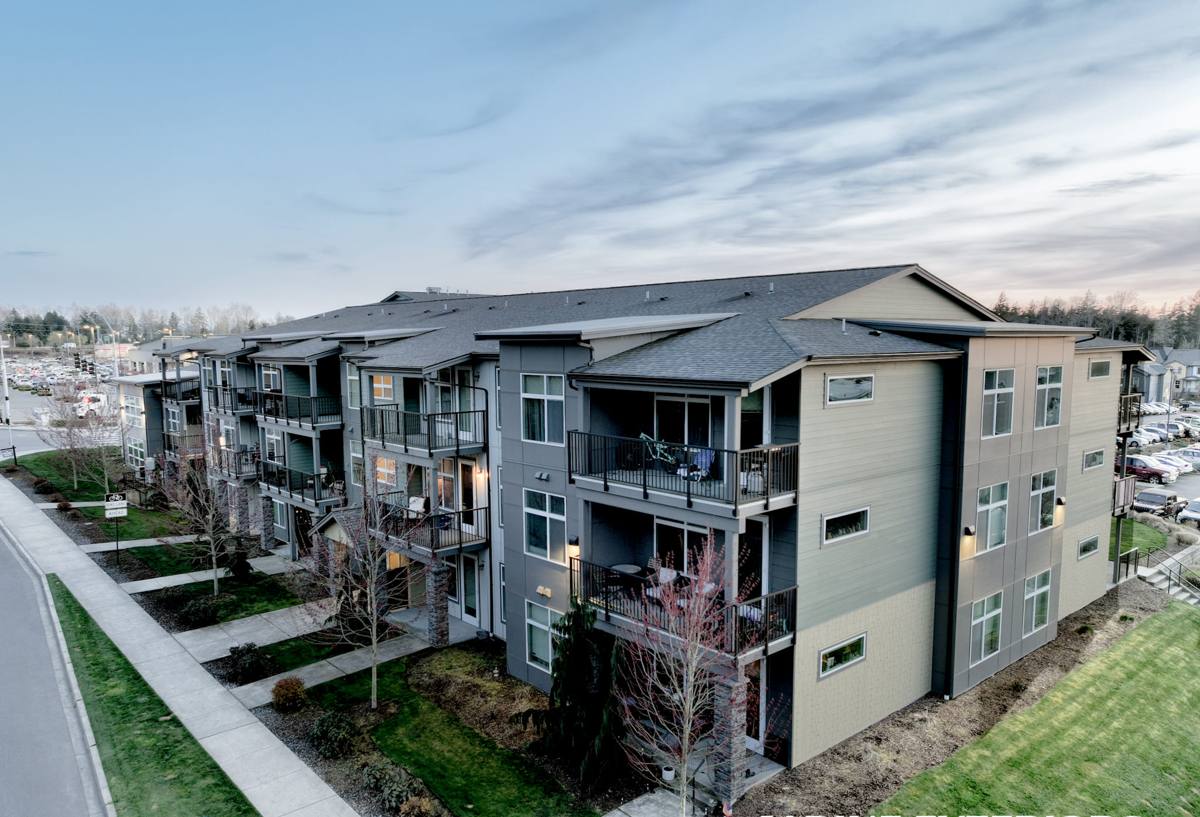
What Coastal Exposure Actually Does to Windows
Salt Air and Corrosion
Airborne salt settles on everything near the Gulf, including window hardware, screen frames, and metal fasteners. Over years, that salt film accelerates corrosion on anything that isn't rated for coastal use — cheap hinges pit, aluminum can oxidize and pit at the surface, and steel fasteners rust from the inside out where you can't see them until a window won't latch properly. This isn't a defect in the window; it's a mismatch between the hardware and the environment it's sitting in.
UV Degradation
Florida sun is intense everywhere, but a home with an open, unobstructed exposure toward the water gets more direct UV hours than a shaded inland lot. UV breaks down vinyl over time, causing discoloration and, eventually, brittleness. It also fades interior finishes, flooring, and furniture through untreated glass. Low-E coatings and quality vinyl formulations resist this far better than budget-grade materials.
Wind-Driven Rain
Storms here don't just bring wind — they push rain sideways, hard enough to find any gap in a window's seal. A window can be structurally sound and still leak if the flashing, sealant, or weep system around it wasn't installed correctly. Most of the water intrusion problems we get called out for aren't glass failures; they're installation failures at the frame-to-wall connection.
Wind Ratings and Code Requirements for This Area
Pinellas County enforces the Florida Building Code, and coastal properties are typically subject to higher design wind pressures than inland lots due to their exposure category. What that means in practice: the correct window for a Madeira Beach home is one that's rated for the wind pressures at that specific address, not just "hurricane-rated" in a general sense. Product Approval numbers, missile-impact testing (where required), and proper anchoring into structurally sound framing all factor into whether an installation actually meets code — and whether it'll hold up in a real storm rather than just on paper.
We pull permits and handle inspections as part of every replacement job, which means the wind rating and installation method get verified by someone outside our own crew. That's not extra paperwork for its own sake — it's the only way to know for certain the work meets the standard the code was written for.
Choosing the Right Window for a Madeira Beach Home
There isn't one "best" window for coastal Florida — there's a best window for your home's exposure, budget, and how the structure is built. Here's how the common options compare for a home this close to the Gulf:
| Option | Coastal Performance | Trade-Offs |
|---|---|---|
| Impact-rated vinyl | Strong wind and debris resistance; no shutters needed | Higher upfront cost than standard vinyl |
| Standard vinyl + storm shutters | Good performance when shutters are deployed every time | Requires someone to close shutters before every storm; unprotected between events |
| Aluminum frame | Strong and narrow sightlines | Conducts heat, prone to pitting near saltwater without coastal-rated finishes |
| Wood or wood-clad | Traditional appearance | High maintenance burden in humid, salt-air climates; not our recommendation for direct coastal exposure |
For most Madeira Beach homes, we steer clients toward impact-rated vinyl because it removes the shutter step entirely — the window itself is the protection, whether you're home or not when a storm rolls in. That said, budget and specific architectural needs sometimes point toward a different mix, and we'll walk through that honestly rather than push one product on every house.
Why We Don't Push Wood-Frame Windows Here
Wood windows have real appeal, but in a high-humidity, salt-air coastal setting they demand a maintenance schedule most homeowners underestimate — repainting, sealing, and monitoring for moisture intrusion at the joints. We'll install what a client wants after an honest conversation, but our default recommendation for direct coastal exposure is a material that doesn't rely on ongoing upkeep to keep water out.
What a Correct Installation Involves
The window product only does half the job. The other half is the installation, and it's where most coastal window failures actually originate. A correct job includes:
- Removing old windows without damaging the surrounding framing or stucco
- Inspecting the rough opening for rot, moisture damage, or prior improper flashing before anything new goes in
- Installing corrosion-resistant flashing tape and sealants rated for exterior, high-UV exposure
- Anchoring into sound structural framing at the fastener spacing the product approval requires
- Maintaining a functioning weep system so any water that does get past the outer seal can drain back out
- Sealing the interior and exterior perimeter with a marine-grade or coastal-rated sealant, not standard caulk
- Testing operation, latching, and locking hardware before we consider the job finished
Skipping any one of these steps can produce a window that looks fine for a year or two and then starts leaking, sticking, or failing hardware well ahead of schedule. This is the part of the job that separates a lasting installation from one that just looks finished on move-out day.
Our Process for Madeira Beach Projects
Site Visit and Assessment
We start with an in-person look at the home — not a phone estimate. Coastal exposure, existing frame condition, and how the home is oriented relative to the water all affect the recommendation, and those things are hard to judge accurately without being on-site.
Product Selection and Permitting
Once we know what the home needs, we go over material and rating options in plain terms, then handle the permit application with Pinellas County. We don't skip permitting to save time — an unpermitted window replacement can become a real problem at resale or during an insurance claim.
Installation
Most residential window replacements are completed in a matter of days, not weeks, once permits are in hand. We work room by room to keep the home secured and livable throughout, and we protect flooring and interior finishes during the swap.
Inspection and Walkthrough
After installation, the work goes through the county inspection tied to the permit. We also do our own walkthrough with the homeowner — operating every window, checking seals, and answering questions before we call the job done.
Why a Local Largo Crew Matters for This Job
We're based in Largo, and Madeira Beach is inside our regular service area — not a job we drive an hour for once a year. That matters in a few concrete ways. We already know which Pinellas County permitting steps apply to coastal properties, so there's less back-and-forth guessing. We've seen how salt air and sun exposure actually age windows in this specific area over time, which shapes what we recommend rather than relying on generic sales material. And if a warranty issue or a post-storm check comes up, we're a short drive away, not a call center routing you to whoever's available.
Hiring a crew that already works this stretch of coastline is less about convenience and more about experience with the exact conditions your home is up against.
Maintaining Coastal Windows After Installation
Even the best window benefits from basic upkeep, especially this close to the Gulf. A simple maintenance routine goes a long way toward getting the full service life out of a new installation:
- Rinse frames, tracks, and hardware periodically to remove salt residue, especially after storms
- Check weep holes for debris or salt buildup that can block proper drainage
- Inspect exterior sealant lines annually for cracking or separation
- Lubricate locks and hinges with a manufacturer-approved product, not a general household oil
- Watch for stiff operation or difficulty latching, which often signals an early hardware or track issue
What Affects the Cost of a Madeira Beach Window Project
Every home is different, but a few factors consistently drive price: the number of windows, their sizes, frame material, and whether they're impact-rated or standard glass paired with shutters. Impact-rated vinyl windows typically cost more per unit than standard vinyl, but they remove the ongoing cost and hassle of shutter systems. Whole-home projects generally run from the low thousands into the tens of thousands of dollars depending on scope — we'll give you an exact number for your home after the site visit, not a rough guess over the phone.
If your Madeira Beach home is due for new windows, we're happy to take a look and put together a straightforward, no-pressure estimate — just fill out the form below to get started.