 Largo Window
 Why Metal Roofing Makes Sense for Dunedin Homes
Dunedin sits close enough to the Gulf that salt air, wind-driven rain, and hurricane-force gusts are a normal part of the weather picture, not a rare event. Add in Pinellas County's intense year-round UV exposure, and a roof here is under more sustained stress than the same roof would face almost anywhere inland. Metal roofing holds up well against all of that when it's specified and installed correctly for this environment — but "metal roofing" covers a wide range of products and installation quality, and not all of it is right for a coastal Florida home.
We install metal roofing on homes throughout Dunedin and the greater Largo area, and the questions we get are almost always the same: will it handle the wind, will it rust from the salt air, and is it worth the cost compared to asphalt shingles. This page walks through what actually matters for a metal roof on a Dunedin house — not generic marketing points, but the specifics that determine whether the roof performs for twenty-plus years or starts giving you trouble in five.
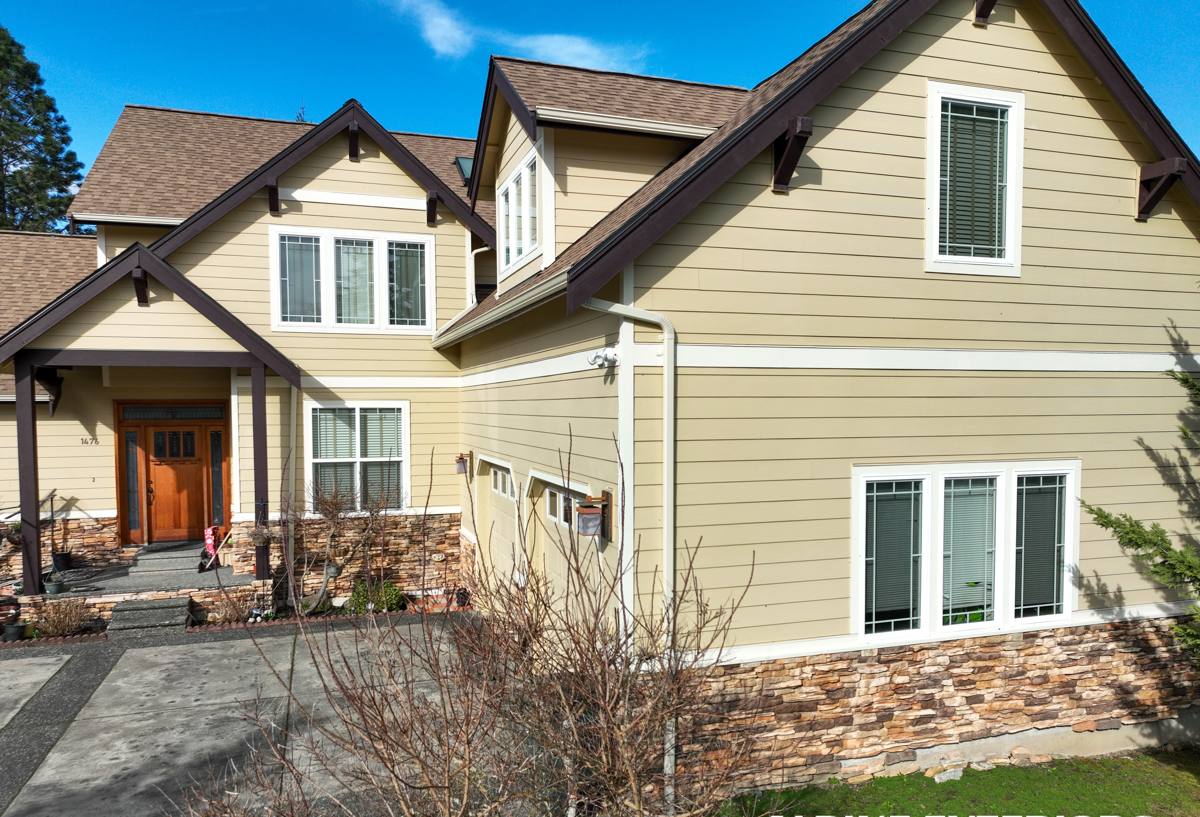
What Dunedin's Climate Actually Demands From a Roof
Four things wear on roofs here more aggressively than in most parts of the country:
- Hurricane-force wind: Uplift at the eaves, rakes, and ridge is where most wind failures start. Fastening pattern and edge detailing matter as much as the panel itself.
- Year-round UV: Florida sun degrades coatings and sealants faster than northern climates ever see. Coating quality and finish warranty are not optional line items here.
- Wind-driven rain: Storms in this area rarely drop rain straight down. Underlayment, flashing, and panel seams have to resist water being pushed sideways and upward under wind pressure, not just gravity-fed runoff.
- Salt air: Being close to the Gulf means airborne salt reaches roofing metal, fasteners, and flashing even on homes that aren't waterfront. Fastener and metal selection has to account for corrosion, not just strength.
A metal roof that's engineered and installed with these four factors in mind will outperform a standard asphalt shingle roof in this climate. One that's installed generically — using inland fastening schedules or the wrong coating for a coastal zone — can underperform even a well-installed shingle roof. The product matters less than the installation standard behind it.
What a Correct Installation Involves
Deck and Underlayment
Before any metal goes down, the roof deck needs to be sound — no soft spots, no delaminated sheathing. Over the deck, we use a high-temperature synthetic or self-adhered underlayment rated for the sustained heat metal roofing can hold, with sealed laps at every seam. In wind-driven rain, the underlayment is the backup system if water ever gets past the panels, so it's not a place to cut corners.
Fastening and Clips
How a panel is attached to the deck determines whether it stays there in a windstorm. Concealed-fastener systems using clips allow the panel to expand and contract with heat without stressing the fastener points — this matters in Florida's temperature swings between a hot afternoon and cooler night. Fastener spacing gets tightened at eaves, rakes, ridges, and hips, where uplift pressure concentrates.
Flashing and Penetrations
Valleys, chimneys, vent pipes, and wall transitions are where roof leaks actually happen — rarely in the open field of the roof. Correctly formed and layered metal flashing, installed in the right order with the underlayment and panels, is what keeps wind-driven rain from finding its way in at these transition points.
Ventilation
A metal roof needs proper attic ventilation to perform well and to protect its own coating from the inside. Trapped heat and moisture under the deck shorten the life of underlayment and can void portions of a manufacturer's warranty. We check existing ventilation on every reroof and correct it where it's inadequate.
Panel Types We Install: A Practical Comparison
There isn't one "best" metal roofing product — the right choice depends on budget, the look you want, and how the home is exposed to wind and salt. Here's how the main options compare for a Dunedin-area home:
| Panel Type | Wind Performance | Salt-Air Durability | Typical Look |
|---|---|---|---|
| Standing seam (concealed fastener) | Excellent — no exposed fasteners to work loose | Very good with proper metal and coating spec | Clean, modern vertical lines |
| Exposed-fastener panel (e.g., 5V, corrugated) | Good, but relies on gasketed screws staying sealed | Fasteners are the weak point over time near salt air | Traditional, often used on outbuildings or budget projects |
| Stone-coated steel | Very good — mechanically interlocked panels | Good; coating protects the steel substrate | Mimics shingle or tile profiles |
For most Dunedin homes, we steer clients toward standing seam or stone-coated steel because concealed or interlocked fastening holds up better over decades of salt exposure and wind cycling than exposed screws, which loosen and need periodic re-torquing or gasket replacement. That's a maintenance burden most homeowners would rather avoid, and it's the main reason we don't recommend exposed-fastener systems as a primary roofing choice this close to the Gulf — not because the product is bad, but because it asks more upkeep of the homeowner over the roof's life.
Wind and Corrosion Ratings: What to Actually Ask About
When comparing metal roofing quotes in Pinellas County, the specifics that matter more than brand names are:
- Wind uplift rating for the specific panel and fastening pattern used — not just a generic manufacturer claim, but the tested rating for how it's actually being installed on your roof.
- Metal substrate and coating — the base metal (steel or aluminum) and the paint/coating system determine how it holds up to salt air over time. Coating quality varies significantly between product lines.
- Fastener material — fasteners should be compatible with the panel metal to avoid galvanic corrosion, and rated for coastal exposure.
- Warranty structure — understand what's covered (paint fade, chalking, substrate failure) versus what isn't, and for how long. Coastal exposure clauses sometimes reduce standard warranty terms, so it's worth asking directly.
Our Process on a Dunedin Reroof
- On-site assessment: We inspect the existing roof, deck condition, ventilation, and any problem areas (valleys, penetrations, past leak history) before quoting anything.
- Product and system recommendation: Based on the home's exposure and your budget, we recommend a panel type and coating suited to this climate — not a one-size-fits-all package.
- Tear-off and deck repair: Old roofing is removed and the deck is inspected and repaired as needed before anything new goes down.
- Underlayment and flashing installation: High-temp underlayment and properly layered flashing go in first, sealed at every penetration and transition.
- Panel installation: Panels are installed with fastening or clip spacing appropriate to wind zone, with tightened patterns at edges and penetrations.
- Final inspection and walkthrough: We check seams, flashing, and fastening before calling the job done, and walk the results with you.
Cost Factors on a Metal Roof
Metal roofing costs more upfront than asphalt shingles, but the gap has narrowed over the years as shingle prices have climbed. Where your project lands depends on a few factors:
| Factor | Impact on Cost |
|---|---|
| Panel type | Exposed-fastener panels are typically the least expensive; standing seam costs more due to labor and material |
| Roof complexity | Steep pitches, multiple valleys, and dormers add labor time regardless of panel type |
| Deck condition | Rotten or delaminated decking found during tear-off adds repair cost not visible in the initial quote |
| Coating/finish grade | Higher-grade coatings resist UV and salt better and cost more, but extend service life |
| Ventilation upgrades | Correcting inadequate attic ventilation during the reroof adds cost but protects the new system |
We give itemized, honest quotes so you can see where the money goes rather than a single lump number — that way you're deciding on the actual scope, not guessing at it.
Maintenance: What Keeps a Metal Roof Performing
Metal roofing is lower-maintenance than shingles, but "low-maintenance" isn't "no-maintenance," especially with salt air in the mix.
- Rinse off accumulated salt residue and debris periodically, especially after storms.
- Keep gutters and valleys clear so water isn't pooling or backing up under panels.
- Have flashing and sealant at penetrations checked every year or two — these are the first place wear shows up.
- After any major windstorm, have the roof visually inspected for lifted panels, loosened fasteners, or damaged flashing.
- Trim back overhanging tree limbs that can scratch coatings or drop debris into valleys.
Why a Crew That Already Works in Dunedin and Largo Matters
Coastal Pinellas County has its own set of practical realities: local wind exposure zones, salt air proximity, permitting expectations, and the kind of roof details that hold up versus the ones that don't. A crew that installs metal roofing across Dunedin and Largo regularly has already seen which fastening schedules and flashing details perform here over time, and which corners cause callbacks in three to five years. That local track record is worth more than a generic national installation guide — it's the difference between a roof that's simply installed and one that's installed for this specific coastline.
If you're weighing metal roofing for a home in Dunedin or elsewhere in the Largo area, we're happy to walk your roof, talk through what makes sense for your exposure and budget, and give you a straightforward, no-pressure estimate. Use the form below to get started.