 Largo Window
 Why Belleair Bluffs Roofs Wear Out Differently
Belleair Bluffs sits close enough to the water that its homes take on a different kind of wear than roofs just a few miles inland. The elevation gives the neighborhood nice views, but it also means more direct exposure to wind coming off the Intracoastal and the Gulf, plus the salt-laden air that travels with it. Add in Pinellas County's intense year-round sun and the wind-driven rain that comes with almost every summer storm, and you have a roofing environment that's genuinely harder on materials than what a roofer in a landlocked state deals with.
A new roof installation here isn't just about picking shingles and nailing them down. It's about choosing a system, and installing it in a way, that accounts for hurricane-force wind loads, constant UV bombardment, and the slow corrosion that salt air causes to metal components. Homes in this part of Largo that get a generic, inland-style roof job tend to show problems years before they should — lifted shingle tabs, rusted fasteners, leaks at flashing points that were never properly sealed for this climate.
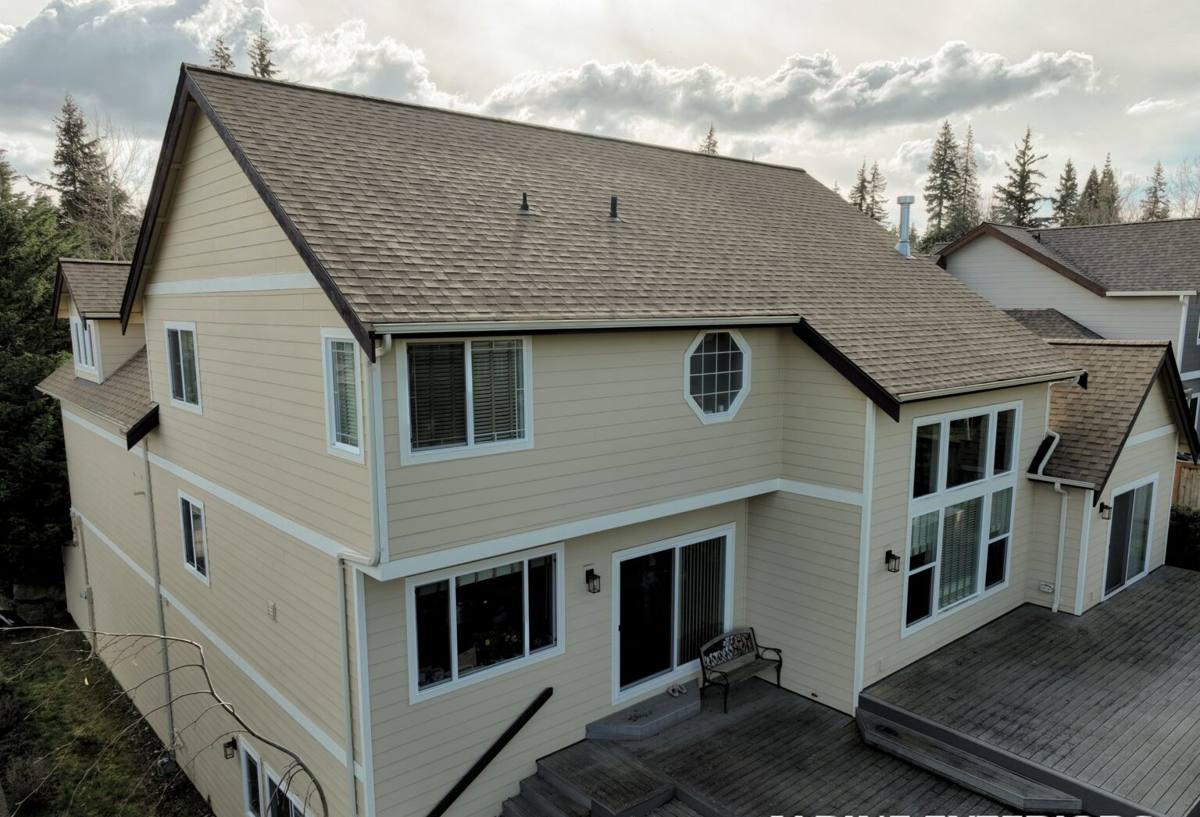
What Coastal Exposure Does to a Roof Over Time
Wind and Uplift
Roofs fail at their edges and corners first. Wind moving across a roof surface creates uplift pressure, and that pressure concentrates hardest at ridges, rakes, and eaves. In a storm-prone coastal pocket like Belleair Bluffs, a roof that's fastened to minimum inland standards is asking for trouble. The fix isn't complicated — it's using the correct nailing pattern, fastener count, and edge metal for the wind zone — but it has to be done correctly the first time, because you don't get a second chance mid-storm.
UV and Heat
Florida sun is relentless on roofing materials. UV breaks down asphalt oils in shingles, causing granule loss and brittleness years ahead of schedule. Dark, poorly ventilated attics compound the problem by baking the underside of the roof deck and shortening the life of underlayment and adhesives.
Wind-Driven Rain
Most Florida roof leaks don't start with a hole — they start with rain being pushed sideways and upward under shingles, flashing, and vents during a squall. A roof that would stay watertight in a gentle rain can leak badly in wind-driven rain if the underlayment, flashing laps, and seal-down strips weren't installed with that specific failure mode in mind.
Salt Air Corrosion
Salt in the air accelerates rust on exposed metal — nails, flashing, vent boots, and drip edge. Once corrosion starts at a fastener, it creates a path for water intrusion long before the shingle above it shows any visible damage. This is one of the biggest differences between roofing a home near the water versus one further inland.
Signs a Belleair Bluffs Home Needs a New Roof, Not Another Patch
Repairs make sense when the damage is isolated and the rest of the roof still has useful life left. A full replacement makes sense when the roofing system itself — not just one section — has reached the end of its service life. Watch for:
- Granules collecting in gutters or at downspouts, especially after a heavy rain
- Shingles that look curled, cupped, or have visibly lifted edges
- Multiple past repairs in different areas of the same roof
- Soft spots or sagging when walked on (a sign of deck damage underneath)
- Rust staining around vent boots, flashing, or exposed fasteners
- Daylight visible through the roof deck from inside the attic
- A roof approaching or past 18-20 years old, even if it "looks fine" from the ground
If your roof shows two or three of these, it's usually cheaper long-term to replace than to keep chasing repairs on a system that's already failing broadly.
Choosing the Right Roofing System for This Location
There's no single "best" roof for every home — the right choice depends on your budget, your home's structure, and how much long-term maintenance you're willing to take on. Here's how the common options stack up specifically for a coastal Pinellas County property:
| Material | Wind Performance | Salt Air Durability | Maintenance | Typical Lifespan |
|---|---|---|---|---|
| Architectural asphalt shingle | Good, with proper fastening and wind rating | Moderate — metal components need corrosion-resistant hardware | Low to moderate | 18-25 years |
| Standing seam metal | Excellent when properly installed | Very good with coated/coastal-grade panels and fasteners | Low | 35-50 years |
| Concrete or clay tile | Excellent for the tile itself; failures usually happen at fasteners/underlayment | Good — tile itself doesn't corrode, but attachment hardware must be rated for salt exposure | Moderate | 40-50+ years |
We'll walk you through the real trade-offs for your specific roof — deck condition, home structure, HOA considerations if applicable, and budget — rather than pushing one product because it's what we happen to have on the truck.
What a Correct New Roof Installation Actually Involves
Full Tear-Off and Deck Inspection
We don't install over old roofing. A full tear-off lets us actually see the deck — soft spots, rot, or old water damage that's invisible from above get found and repaired before anything new goes down. Skipping this step is one of the most common shortcuts in the industry, and it's how hidden damage turns into a much bigger problem later.
Underlayment and Moisture Barrier
Given how much wind-driven rain this area sees, we use underlayment systems designed for high-wind, high-moisture climates, with special attention to sealing laps and penetrations rather than just relying on the top layer of shingle or tile to keep water out.
Fastening Pattern and Wind Rating
Fastener count, placement, and type are matched to the wind zone requirement for your specific location — not just whatever the minimum code allows statewide. This is where a lot of the difference between a roof that survives a bad storm and one that doesn't actually comes from.
Flashing and Edge Metal
Valleys, chimneys, skylights, and roof-to-wall transitions are where most leaks originate. We use corrosion-resistant flashing and drip edge appropriate for salt air exposure, and we detail these areas carefully rather than treating them as an afterthought.
Attic Ventilation
Proper intake and exhaust ventilation reduces attic heat buildup, which extends the life of your new roofing materials and helps control moisture that can otherwise lead to deck rot or mold.
Permits, Wind Mitigation, and Local Code Requirements
Pinellas County and the City of Largo require permits and inspections for full roof replacements, and the applicable wind speed and uplift requirements are tied to your property's specific location and exposure category. We handle the permitting process, coordinate inspections, and make sure the installation meets current code — not the code from whenever the house was originally built.
A properly documented new roof, installed to current wind mitigation standards, can also affect your homeowners insurance premium. We provide the paperwork insurers ask for (permit, inspection sign-off, and product/installation documentation) so you're not chasing that down later.
Our Installation Process, Start to Finish
- Free on-site inspection — we assess your current roof, attic ventilation, and deck condition, and talk through material options honestly
- Written estimate — clear scope of work, material choice, and pricing, with no pressure to sign on the spot
- Permitting — we pull the required permits with Pinellas County/City of Largo before work begins
- Tear-off and deck repair — old roofing removed, deck inspected and any damaged sections replaced
- Underlayment, flashing, and material installation — installed to the wind rating and moisture protection standard appropriate for this area
- Cleanup — magnetic sweep for nails and full site cleanup before we leave
- Final inspection — county/city inspection scheduled and passed, documentation provided for your records and insurer
Why Local Experience in Belleair Bluffs Matters
A roofing crew that regularly works this stretch of Pinellas County already knows the wind exposure realities of homes near the water, understands the permitting process with Largo and the county, and has seen firsthand how salt air and coastal storms treat different roofing systems over time. That familiarity shows up in the details — the fastener grade chosen, the flashing detail at a roof-to-wall transition, the ventilation plan for a specific attic layout. It's the difference between a roof that meets code on paper and one that's actually built for where it sits.
Keeping Your New Roof Performing in a Salt Air Climate
Even a well-installed roof benefits from basic upkeep in this environment. A couple of habits go a long way: rinse off accumulated salt residue and debris periodically, keep gutters clear so wind-driven rain has somewhere to go, and have the roof looked at after any major storm — not because you expect a problem, but because catching a small one early is always cheaper than waiting for it to become a big one.
If your roof in Belleair Bluffs is showing its age or you just want an honest read on how much life it has left, we're happy to take a look. The estimate is free, there's no pressure, and you'll get a straight answer about what your home actually needs — use the form below to get started.