 Largo Window
 Why Treasure Island Roofs Wear Out Faster Than Inland Homes
Treasure Island sits right on the Gulf, and that barrier-island exposure changes what a roof has to survive compared to a home a few miles inland in Largo. The wind here isn't occasional — it's constant, and during storm season it can shift from a steady onshore breeze to hurricane-force gusts in a matter of hours. Add in wind-driven rain that gets pushed sideways under shingle tabs and flashing edges, plus salt-laden air that settles on every exposed metal surface, and you have a combination that ages a roof well before its rated lifespan if it wasn't installed with these conditions in mind.
Then there's the sun. Pinellas County gets intense, nearly year-round UV exposure, and that UV breaks down asphalt oils, dries out sealants, and fades and embrittles roofing materials from the top down. A roof built for a milder climate — or installed to minimum code rather than to what the coast actually demands — shows granule loss, curling, and flashing failure years ahead of schedule. None of this means a new roof on Treasure Island is a lost cause; it means the installation details matter more here than almost anywhere else in the region.
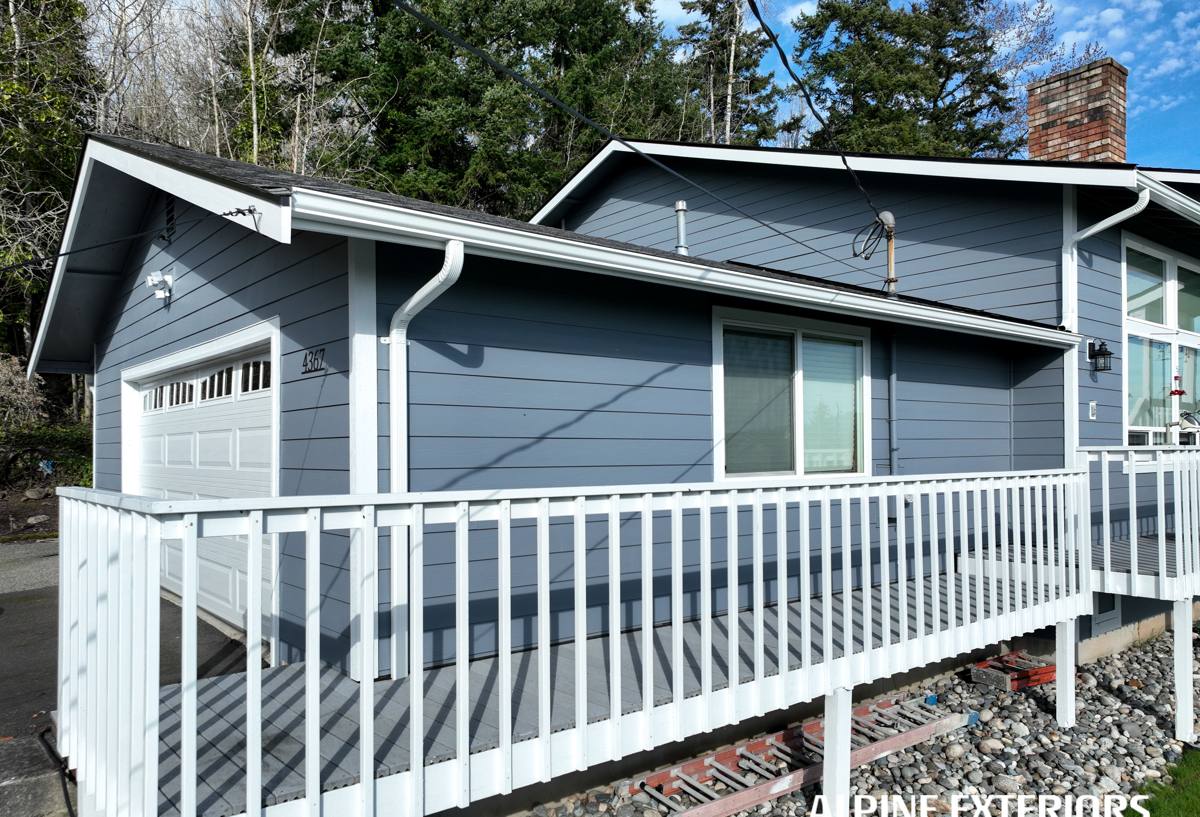
What a Correct New Roof Installation Actually Involves
A new roof is more than nailing down shingles or tile. On a coastal property, the parts nobody sees are what determine whether the roof holds up in the next big blow. Here's what we treat as non-negotiable on every Treasure Island installation.
Deck Inspection and Repair
Before anything new goes down, the roof deck gets inspected board by board. Any wood that's soft, delaminated, or water-stained gets replaced — never covered over. A new roof over a compromised deck is a warranty problem waiting to happen, and it undermines the fastener holding power you need in high wind.
Underlayment Built for Wind-Driven Rain
We use a synthetic or self-adhering underlayment system rated for high-wind, high-moisture exposure, not the basic felt still used on plenty of installs elsewhere. This is the layer that keeps water out even if wind forces rain up under the roof covering — which happens on this coastline more than most homeowners realize.
Flashing at Every Penetration
Chimneys, vents, skylights, and wall-to-roof transitions are where roofs actually fail. Correctly formed and sealed metal flashing at each of these points matters more than the roofing material itself when it comes to preventing leaks.
Fastening Pattern for Wind Uplift
Florida building code sets minimum fastening requirements based on wind zone, and Pinellas County's coastal areas call for tighter nailing patterns and, often, ring-shank or coil nails rather than staples. We follow the fastening schedule for the actual wind exposure of the property, not just the county minimum.
Ventilation That Doesn't Fight the Wind
A roof needs to breathe to avoid trapping heat and moisture in the attic, but vents on a coastal home also need to resist wind-driven rain intrusion and salt corrosion. We spec ridge and soffit ventilation designed for both jobs at once.
Roofing Material Options for a Coastal Home
There's no single "best" roofing material for Treasure Island — it depends on the home's structure, budget, and how much long-term maintenance the owner wants to take on. Here's how the common options compare for this specific environment.
| Material | Wind Performance | Salt Air Behavior | Typical Lifespan Here |
|---|---|---|---|
| Architectural asphalt shingle | Good, when rated and installed for the wind zone | Granule loss accelerated by UV and salt over time | 15–22 years |
| Standing seam metal | Excellent uplift resistance | Needs coastal-grade coating and fasteners to resist corrosion | 30–45 years |
| Concrete/clay tile | Very good if properly fastened; heavy | Tile itself is largely inert; underlayment and flashing are the weak point | 30–50 years |
| TPO/modified bitumen (flat/low-slope sections) | Depends on attachment method | Performs well with UV-stable membrane and proper seam welding | 15–25 years |
Whatever material an owner chooses, we're honest about the trade-offs rather than pushing one product. Metal costs more up front but needs far less attention over its life. Asphalt shingle is the most budget-friendly and performs well when it's rated for the wind zone and installed correctly, but it will need closer periodic inspection here than it would inland. Tile is durable but adds roof weight that has to be accounted for structurally. We'll walk through what fits your home and budget rather than defaulting to one option.
Wind Rating, Building Codes, and Permits
Pinellas County enforces Florida Building Code wind provisions, and coastal properties like those on Treasure Island typically fall into a higher wind-speed design category than homes further inland. That affects the required fastening pattern, underlayment type, and in some cases the roofing material's wind rating itself. A permitted roof also has to pass inspection before it's considered complete — that inspection is your assurance that the installation actually meets code, not just that it looks finished from the ground.
We pull permits, schedule inspections, and handle the paperwork as part of the job. If you're asked to sign off on a "roof replacement" with no permit involved, that's a red flag worth asking about before work starts.
Salt Air: The Slow Damage You Don't See Right Away
Salt air doesn't announce itself the way a storm does — it works quietly, corroding exposed fasteners, pitting standard-grade metal flashing, and degrading sealants faster than the same materials would age a few miles from the water. On Treasure Island installations we upgrade to:
- Stainless steel or coated coastal-grade fasteners instead of standard galvanized
- Corrosion-resistant flashing metals at valleys, chimneys, and wall transitions
- Sealants and adhesives rated for continuous UV and salt exposure
- Vent covers and boots specified for coastal durability, not just cost
These upgrades add modestly to material cost but meaningfully extend the time before flashing or fastener failure becomes a leak point.
How Our Installation Process Works
- On-site inspection and estimate — we assess the existing roof, deck condition, and wind exposure specific to your property and give you an honest, written estimate.
- Material selection — we go over the trade-offs for your home and budget, no pressure toward the highest-margin option.
- Permitting — we handle the Pinellas County permit and schedule required inspections.
- Tear-off and deck inspection — old roofing comes off completely so the deck can be checked and repaired where needed.
- Underlayment and flashing installation — the moisture barrier and flashing details go in first, since they're what actually stops leaks.
- Roofing material installation — installed to the wind-rated fastening schedule for your property's exposure.
- Final inspection and walkthrough — county inspection sign-off, plus our own walkthrough with you before we call the job done.
What Drives the Cost of a New Roof
| Factor | Why It Matters |
|---|---|
| Roof size and pitch | More square footage and steeper slopes mean more material and labor time |
| Material choice | Asphalt, metal, and tile carry very different material and labor costs |
| Deck condition | Rotted or delaminated decking found during tear-off adds repair cost |
| Number of penetrations | Chimneys, skylights, and vents each require additional flashing work |
| Wind-zone fastening requirements | Coastal fastening schedules require more fasteners and coastal-grade hardware |
| Access and layout | Multi-story sections or tight lot access can add labor time |
We give a firm written estimate before work begins, and we'll explain any factor that's pushing cost up or down for your specific home rather than handing you a number with no explanation.
Signs Your Roof Needs Replacing, Not Just Patching
- Shingles that are curling, cracking, or missing granules across large areas, not just one spot
- Soft spots or sagging visible when walking the roof or viewing the deck from the attic
- Repeated leaks in different locations after previous repairs
- Flashing that's rusted, lifting, or separating from the roof surface
- Visible daylight through the roof deck from inside the attic
- A roof that's already near or past its material's expected service life for this climate
- Storm damage significant enough that insurance is recommending replacement over repair
If only one or two of these apply and the roof is otherwise sound, a repair may genuinely be the right call — we'll tell you that instead of pushing a full replacement you don't need yet.
Why It Matters That We Already Work on Treasure Island
A crew that installs roofs across a wide mix of inland Pinellas County neighborhoods and coastal properties like Treasure Island learns the difference firsthand — which fastening patterns actually hold up in real onshore wind, which flashing details fail first in salt air, and which manufacturer warranties hold up when a roof is installed to true coastal specifications versus a generic minimum. That local, practical knowledge is what shows up in the details of the job, not in a sales pitch.
If your roof is due for replacement, or you're not sure whether repair or replacement makes more sense, we're happy to take a look and give you a straight answer. Fill out the form below for a free, no-pressure estimate on your Treasure Island home.