 Largo Window
 Why Oldsmar Homes Need Siding Built for This Climate
Oldsmar sits along the Tampa Bay shoreline in Pinellas County, which means homes here take a steady beating from conditions most of the country never has to deal with. Intense, near year-round UV exposure bakes exterior surfaces day after day. Humidity stays high for most of the year, keeping moisture in contact with siding longer than it should be. Wind-driven rain during summer storms and hurricane season pushes water sideways into seams and laps that were never designed to handle it. And because the home is close to open water, salt-laden air is a constant presence, working on fasteners, trim, and any material that isn't built to resist it.
None of this is unique to any one street or subdivision in Oldsmar — it's the reality for every home in this stretch of Pinellas County. But it does mean that siding decisions made for a house in a drier, milder climate simply don't hold up the same way here. A replacement job that looks fine going in can fail years early if the material and the installation aren't matched to what this coastal, subtropical environment actually does to a home over time.
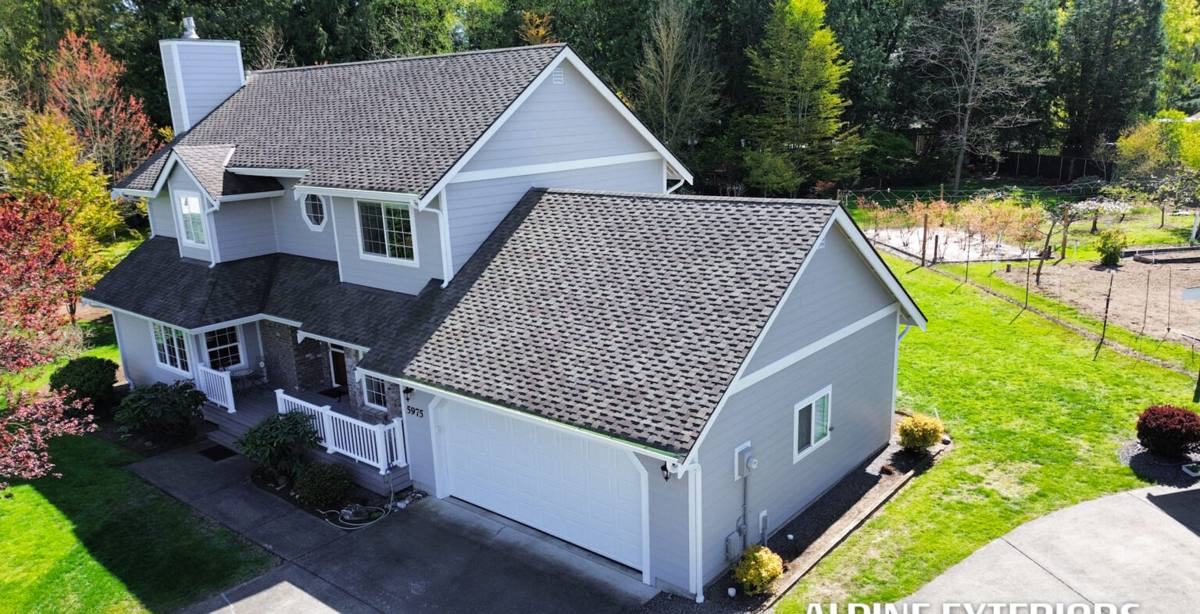
Signs Your Oldsmar Home's Siding Needs Replacing
Siding failure in this climate rarely announces itself with one obvious problem. It usually shows up as a combination of smaller issues that add up over a few seasons of sun, humidity, and storm exposure.
- Visible warping, buckling, or panels that no longer sit flat against the wall
- Soft or spongy spots when you press on the siding, especially near the bottom courses
- Paint that's peeling, chalking, or fading unevenly across the same wall
- Cracking or splitting along seams, corners, or butt joints
- Visible gaps or separation where panels meet trim, windows, or doors
- A musty smell or signs of moisture on interior walls that back up to exterior siding
- Rust streaking from fasteners that were never properly sealed or capped
Any one of these on its own might be a minor repair. Several of them together, especially on a home that's been through a few hurricane seasons, usually means the siding system itself has reached the end of its useful life.
Why We Only Install James Hardie Fiber Cement Siding
We get asked fairly often why we don't offer vinyl, LP SmartSide, or other lower-cost siding options. It comes down to what we've seen hold up in this specific climate versus what doesn't.
Vinyl siding is affordable and easy to install, and for a lot of the country it's a perfectly reasonable choice. In a hot, sun-heavy environment like Pinellas County, though, vinyl is prone to warping and heat distortion, particularly on walls that get reflected sun off windows or nearby surfaces. It also fades over time under constant UV exposure, and because the color runs through the material rather than sitting on top of it, there's no way to refresh it without replacing it.
LP SmartSide is an engineered wood-strand product. It performs well in a lot of climates, but wood-based siding depends heavily on every cut edge, joint, and fastener point being sealed correctly at installation, because wood-strand cores that absorb moisture can swell and deteriorate from the inside out. In a coastal, high-humidity environment with regular wind-driven rain, that margin for installation error is thinner than we're willing to accept on a home we're putting our name on.
Primed spruce and cedar have their own appeal, especially for homeowners who like a natural wood look, but both require ongoing maintenance, repainting, and vigilance about moisture that most homeowners underestimate until the upkeep becomes a real time and cost burden.
James Hardie fiber cement is a non-combustible product engineered specifically for climate resistance. Hardie manufactures separate formulations for different regions, and the HZ5 product line used across most of Florida is engineered to resist the moisture, humidity, and pest pressure specific to this climate zone. Combined with a factory-applied ColorPlus finish that resists fading far longer than field-applied paint, and a strong transferable warranty backing the product, it's the material we're comfortable standing behind on homes exposed to what Oldsmar's climate delivers every year.
What a Correct Siding Replacement Involves
Tear-Off and Substrate Inspection
A proper job starts with removing the old siding completely and inspecting the sheathing underneath for rot, water damage, or compromised framing. Skipping this step and installing new siding over a damaged substrate just hides a problem that will keep getting worse.
Weather-Resistive Barrier and Flashing
Before any siding goes up, a correctly installed weather-resistive barrier and properly integrated flashing around windows, doors, and penetrations are what actually keep wind-driven rain out of the wall assembly. This layer matters as much as the siding itself, especially in a market that sees regular tropical storm activity.
Fastening to Manufacturer Specification
James Hardie publishes specific fastening patterns, nail types, and clearance requirements for coastal and high-wind zones. Following those specs — rather than treating siding installation as a generic carpentry task — is what determines whether the siding stays put and performs as designed through hurricane-force wind events.
Sealing, Trim, and Finish Work
Caulking at joints and transitions, correctly installed trim, and attention to how water sheds off the wall assembly are what separate a siding job that looks good on installation day from one that still looks good five and ten years later.
Choosing the Right James Hardie Product Line
Hardie's product lines each serve a different look and application. Picking the right one for your home depends on your existing architecture, your neighborhood's style, and your own preference.
| Product Line | Appearance | Best Suited For |
|---|---|---|
| HardiePlank Lap Siding | Traditional horizontal lap look | Most single-family homes; the most common Oldsmar replacement choice |
| HardieShingle | Staggered or straight-edge shingle profile | Coastal cottage or craftsman-style homes wanting more texture |
| HardiePanel | Smooth or textured vertical panels, often used with board-and-batten trim | Accent walls, gables, or modern architectural styles |
All three are available in the ColorPlus factory-finish system, which means the color is baked on under controlled conditions rather than applied on site — a meaningful advantage in a climate where UV exposure is relentless.
Our Process From Estimate to Final Walkthrough
We keep the process straightforward because homeowners deserve to know what's happening at every stage of a project on their own house.
- On-site assessment of your current siding, substrate condition, and any moisture or structural concerns
- Product line and color selection, including a look at how ColorPlus options work with your home's trim and roofline
- A clear, written estimate before any work begins — no surprise line items added mid-project
- Permitting handled on your behalf through the appropriate local building authority
- Tear-off, substrate repair as needed, weather barrier installation, and Hardie siding installed to manufacturer spec
- Final walkthrough where we go over the completed work with you directly
What Affects the Cost of Siding Replacement in Oldsmar
Every home is different, so we don't quote prices without seeing the property, but a few factors consistently drive cost up or down on siding replacement projects in this area.
| Cost Factor | Why It Matters |
|---|---|
| Extent of substrate damage | Rotted sheathing or framing found during tear-off requires repair before new siding goes on |
| Home size and wall complexity | More square footage, corners, and architectural detail means more material and labor |
| Product line and profile chosen | HardiePlank, HardieShingle, and HardiePanel carry different material and installation costs |
| Trim and accessory work | Fascia, soffit, and trim replacement alongside siding adds scope but improves the finished result |
| Height and accessibility | Second-story walls, tight lot lines, or landscaping obstacles affect labor time |
Why Hiring a Crew That Already Works in Oldsmar Matters
Siding installation quality depends a lot on details that are specific to where the work is happening. A crew that regularly works in Pinellas County already understands local wind-load requirements, the permitting process with the relevant building authority, and how to install James Hardie siding correctly for a coastal exposure category rather than a generic inland installation. That familiarity shows up in fewer surprises during permitting, fewer callbacks after a storm, and a finished product that's actually built for what Oldsmar's weather does to a house year after year.
Caring for Your New Hardie Siding
James Hardie fiber cement is low-maintenance compared to most alternatives, but a little routine care keeps it performing well for the long haul.
- Rinse the exterior periodically to clear salt residue and airborne debris
- Keep sprinklers and irrigation from spraying directly on siding surfaces
- Inspect caulking at joints and trim annually and touch up as needed
- Trim back landscaping that holds moisture against the wall
- Address any impact damage promptly rather than letting it sit exposed
If your Oldsmar home's siding is showing its age or you're planning ahead of the next storm season, we're happy to take a look and walk you through what a correctly installed James Hardie siding replacement would involve for your specific home. Reach out for a free, no-pressure estimate using the form below.