 Largo Window
 Oldsmar sits along Old Tampa Bay at the northern edge of Pinellas County, with a mix of established mid-century neighborhoods and newer construction from the area's more recent growth. Some homes sit close to the bay shoreline, others further inland toward the Hillsborough County line, but every one of them faces the same climate: hurricane-force wind events, intense year-round UV, wind-driven rain, and salt air working on the building year after year. Window installation here isn't just about setting a new unit into an opening — it's about getting a code-compliant, correctly flashed installation that will actually hold up to that combination. That's the job we focus on, and it's the reason installation quality matters as much as the window itself.
Why Window Installation in Oldsmar Isn't a Generic Job
Every window installed in Pinellas County falls under Florida Building Code wind-borne debris requirements, which means the unit itself and how it's anchored into the wall both have to meet a wind-load standard most of the country never has to think about. Oldsmar homes vary enough in age and construction that this plays out differently from house to house — an older home built before current code may have openings, framing, and wall assemblies that don't match what a modern window expects, while a newer home built to more recent code still needs the installation itself done correctly, since a code-rated window installed poorly performs like an uncoded one. Either way, the installation is what turns a correctly rated product into a correctly performing one.
None of that makes window installation in Oldsmar unusual work for us — it's routine in this part of Pinellas County. But it does mean we start every job with an honest look at the actual opening and wall condition, not just a measurement and an order.
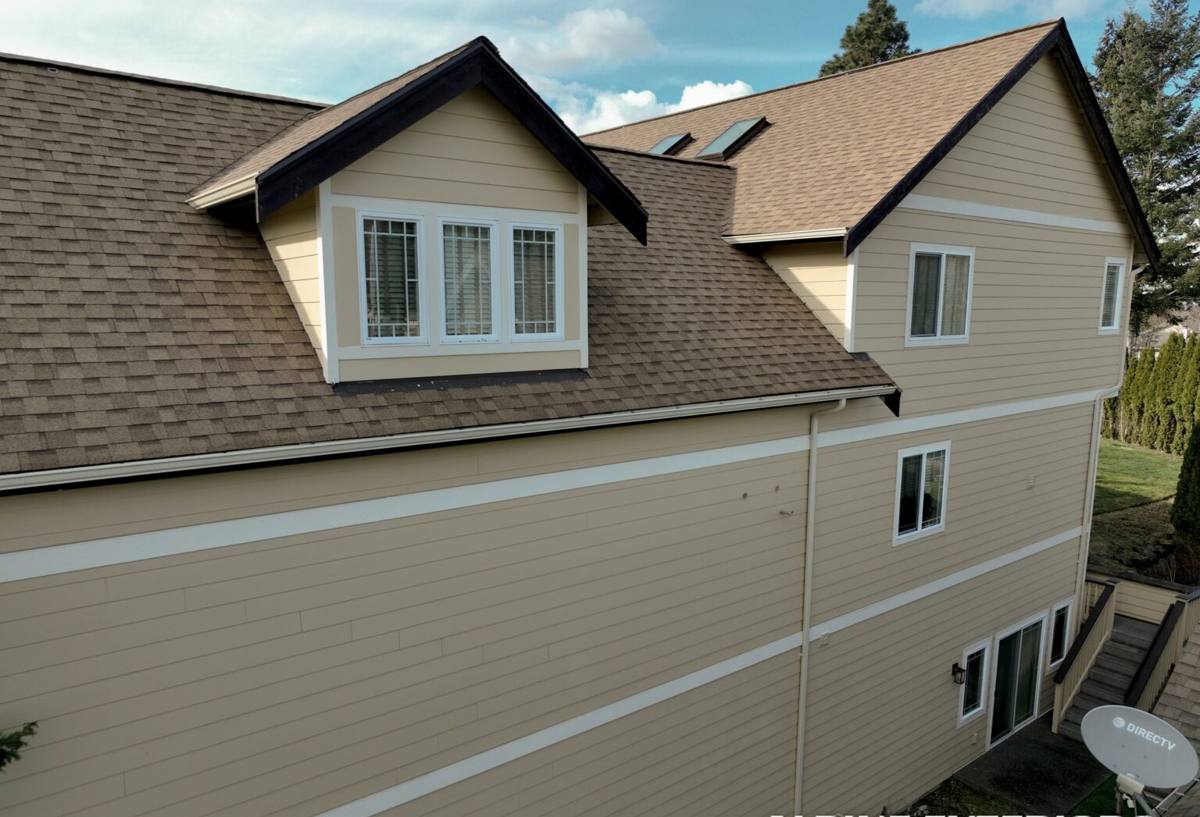
What the Climate Actually Does to a Window Installation
Hurricane-force wind events put direct pressure on the glass, the frame, and — most importantly — the anchoring that ties the window to the structure. A window can carry the right impact rating on paper and still fail in a storm if the anchoring wasn't done to spec, because the rating is tested as a system, not as glass alone. Year-round, intense UV breaks down lower-grade vinyl, weatherstripping, and sealants faster in this climate than in a milder one, which shows up as chalking, brittleness, and seal failure well before it should happen. Wind-driven rain, both during named storms and during ordinary summer downpours, pushes water sideways into wall assemblies in a way that tests flashing constantly rather than occasionally. And salt air moving in off Old Tampa Bay and the wider Gulf coast corrodes hardware, fasteners, and unprotected frame components on a slow, steady timeline that never really stops.
None of those four factors is unique to Oldsmar. What's true here is that they all apply at once, on every installation, whether the home is a block from the water or well inland — the wind and UV don't stop at the shoreline, and salt air travels further inland along the bay than people expect.
Where Installation Failures Actually Start
It's rarely the glass or the frame that fails first. It's the installation details around the opening — anchoring that meets code minimums on paper but wasn't torqued or spaced correctly, flashing that was lapped in the wrong order so water gets behind it instead of shedding off it, sealant joints rushed at the corners where three or four materials meet. Those are the spots that decide whether a window installation is still tight and performing after a few hurricane seasons, or starting to leak, rattle, or fog between the panes within a couple of years.
Window Situations We See Regularly in Oldsmar
- Full-house replacement projects — older single-pane or early dual-pane windows being brought up to current impact and energy standards
- Older openings built before current code — homes where the rough opening, framing, or wall assembly needs correction before a modern unit will install and perform correctly
- New construction and additions — openings that need first-time installation done to current wind-load and flashing standards
- Bay-facing and waterfront homes — properties along Old Tampa Bay that see more direct wind and salt exposure than homes further inland
- Storm damage replacement — units that failed or were compromised in a wind event and need to go back in correctly, not just quickly
- Foggy or failed-seal replacements — dual-pane units where the seal has broken down from UV and heat cycling, even if the frame itself is still sound
What a Correct Window Installation Job Involves
Assessment and Measurement
We start with a field measurement of the actual opening and a look at the surrounding wall condition, not a number pulled from old plans or a builder's spec sheet. That assessment is also where we confirm what impact rating and anchoring approach the installation needs to meet current Florida Building Code wind-borne debris requirements for Oldsmar's wind exposure category.
Opening Prep and Substrate Check
Before a new window goes in, the opening needs to be sound — no rot, no out-of-square framing, no old flashing failures hiding behind the trim. On older Oldsmar homes this step often turns up conditions that need to be corrected first, and we handle that as part of the plan rather than as a surprise change order once the old window is already out.
Setting and Anchoring
This is the step that actually determines wind performance. The window has to be set plumb and level, then anchored into structural framing at the spacing and fastener type the unit's rating depends on — not just enough screws to hold it in place. Skipping or shortcutting this step is the single most common reason a correctly rated window underperforms in a real wind event.
Flashing and Weatherproofing
Flashing has to be sequenced so water sheds outward and downward, lapped correctly at the head, jambs, and sill so wind-driven rain can't work its way behind the window and into the wall. This is the detail that separates an installation that stays dry through hurricane season from one that develops hidden water damage long before anyone notices a leak on the inside.
Trim, Sealant, and Hardware
Sealant joints get detailed at every material transition, not just run along the visible trim line, since that's where installs most often fail first under constant UV and heat cycling. We use corrosion-resistant fasteners and hardware as standard practice given how much salt air this area sees off the bay.
Quick Checklist Before You Hire
- Confirm the opening will be field-measured and the wall condition checked before ordering
- Ask what impact rating the installation needs to meet for your specific address and exposure
- Get the anchoring method explained — fastener type, spacing, and what it's rated for
- Ask how flashing will be sequenced at the head, jambs, and sill, not just "we'll seal it"
- Confirm hardware and fasteners are corrosion-resistant, not standard-grade
- Get separate warranty terms in writing for the window unit and for the installation labor
Our Process, Start to Finish
- On-site assessment — we measure every opening, check wall and framing condition, and confirm the wind exposure rating needed for the home
- Honest recommendation — straight replacement, opening correction, or full reframe, with the reasoning explained plainly
- Ordering and realistic timeline — impact-rated units are built to order, and we give you a real lead time, not an optimistic one
- Removal and opening prep — old units come out carefully, and any hidden rot, framing, or flashing issues get addressed before the new window goes in
- Installation and anchoring — each unit is set plumb, level, and anchored to meet the wind-load requirement for that opening
- Flashing, sealant, and finish — weatherproofing detailed for the specific opening, then trimmed and finished to match the home
Costs and Trade-Offs Homeowners Should Know
| Factor | What Changes the Price |
|---|---|
| Number of windows | A full-house replacement typically has better per-unit pricing than one or two windows done separately |
| Impact rating required | Bay-facing and higher-exposure homes may need a higher-rated unit than a more sheltered inland wall |
| Opening condition | Rot, prior leaks, or out-of-square framing on older homes adds repair work before installation |
| Frame material | Vinyl and fiberglass generally cost less to maintain long-term in salt air and UV than an unclad wood frame |
| Size and configuration | Standard sizes install faster and cost less than oversized, arched, or custom-shaped openings |
Frame material is worth weighing on its own. Vinyl and fiberglass frames generally hold up to sustained UV and salt exposure with less ongoing maintenance than an unprotected wood exterior, which is why we lead with them on most Oldsmar installations. That doesn't rule out a wood-look interior with a protected exterior cladding when the appearance matters — we'll walk through the honest trade-offs for your home rather than defaulting to one material for every job.
Why Hiring a Crew That Already Works in Oldsmar Matters
Manufacturer installation instructions are written for average conditions, and a lot of what makes an Oldsmar installation perform well isn't written down anywhere — it's judgment built from doing this work in this exact climate repeatedly. That shows up in small decisions: how much extra anchoring a bay-facing wall needs versus a sheltered inland one, how a flashing lap has to be adjusted for a particular siding type, when a sealant joint needs more attention because of how much sun a west-facing wall takes on. A crew that hasn't installed windows in Pinellas County's wind and salt-air conditions regularly can meet every code minimum on paper and still miss the details that keep water and wind out over time.
We work in Oldsmar and the surrounding Largo area regularly, so we're not guessing at how a particular wall orientation, wall type, or age of construction tends to hold up here. That experience is what decides whether an installation is still tight and performing after several hurricane seasons, rather than showing leaks, corrosion, or seal failure within a few years.
Ready When You Are
Whether you're replacing a full house of aging windows, dealing with a storm-damaged unit, or finishing out an addition, it's worth having someone look at your actual openings and wall condition before you start pricing units. We offer free, no-pressure estimates for window installation in Oldsmar and the surrounding Largo area — use the form below to get a time on the schedule.