 Largo Window
 Custom Decks Built for Palm Harbor's Coastal Conditions
A deck in Palm Harbor does a lot more work than a deck in most parts of the country. Between the intense year-round sun, the salt-laden air rolling in off the Gulf, the wind-driven rain that finds every gap in flashing, and the occasional hurricane-force wind event, a deck here is either built to handle all of that from day one, or it becomes a maintenance headache within a few seasons. We build and design custom decks specifically for this part of Pinellas County, and the details that go into a Palm Harbor deck are different from what you'd spec for a deck inland.
This page covers what actually goes into a correctly built custom deck for a Palm Harbor property — the material decisions, the structural details, the permitting realities, and why local experience matters more than it might seem.
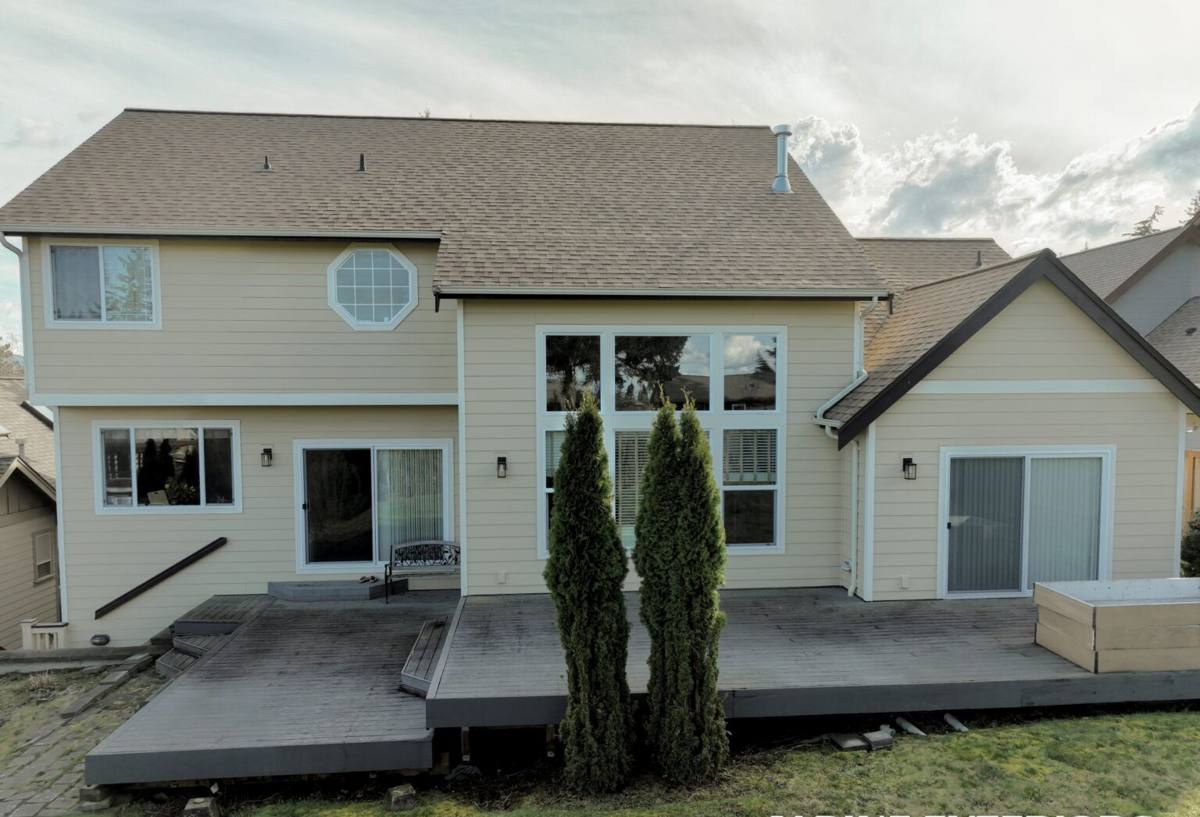
What Palm Harbor Homes Actually Need From a Deck
Before getting into materials and construction methods, it helps to understand the specific stresses a deck faces in this area:
- UV exposure: Florida sun is harder on exterior materials than most homeowners expect — it fades color, dries out wood fibers, and breaks down lower-grade plastics and composites faster than manufacturers' glossy marketing photos suggest.
- Salt air corrosion: Proximity to the Gulf means airborne salt settles on every metal surface. Standard hardware store fasteners and brackets can start rusting and staining a deck within a year or two.
- Wind-driven rain: Storms here don't just drop rain straight down — it comes in sideways, which means ledger board connections, flashing, and any point where the deck meets the house have to be sealed and detailed correctly, not just "close enough."
- Hurricane-force wind loads: Post connections, joist hangers, and railing attachment all need to be engineered for uplift and lateral load, not just weight-bearing.
- Humidity and ground moisture: High water tables and heavy seasonal rain mean footings and framing need real drainage consideration, not assumptions carried over from drier climates.
None of this means a deck in Palm Harbor has to be complicated or over-built for no reason — it means the right decisions have to be made in the right places.
Choosing the Right Decking Material
There's no single "best" decking material — there's a best material for your budget, your maintenance tolerance, and how the deck will be used. Here's how the common options actually compare in a coastal Florida setting:
| Material | UV & Fade Resistance | Salt Air Behavior | Maintenance | Typical Lifespan Here |
|---|---|---|---|---|
| Pressure-treated wood | Fades and grays without upkeep | Needs sealed fasteners to avoid staining | Annual cleaning/sealing | 10–15 years with upkeep |
| Tropical hardwood (e.g. ipe) | Very good, but color fades to gray without oiling | Naturally dense, handles moisture well | Periodic oiling for color retention | 20+ years |
| Capped composite | Good on quality lines, poor on budget lines | Doesn't corrode; check fastener compatibility | Occasional washing, no sealing | 20–25 years |
| PVC decking | Excellent, engineered specifically for sun exposure | Fully inert to salt | Lowest of all options | 25+ years |
| Aluminum decking | Excellent, coating-dependent | Excellent when properly coated | Very low | 25+ years |
We'll walk through these trade-offs honestly during your estimate. Wood costs less up front but asks for real annual attention in this climate. Composite and PVC cost more initially but ask almost nothing of you for two decades. There's no wrong answer — there's the answer that fits how you actually want to spend your weekends.
A Note on Lower-Grade Composite Products
Not every composite board is built the same. Older or budget-tier composite decking without a full polymer cap can absorb moisture at the board core, and in a hot, humid climate that leads to swelling, mold staining, and premature wear well before the warranty period suggests it should. Our standard is to spec fully capped composite or PVC products for anything we install here — it's a maintenance and longevity decision, not a brand preference.
The Structural Side: What a Correct Deck Build Involves
Footings and Post Connections
Footing depth and post-to-footing connections have to account for both soil conditions and wind uplift. In a coastal wind zone, a deck's structural failure point in a storm is almost always at the connections — not the decking boards themselves. Post bases, hurricane ties, and structural screws rated for the load are non-negotiable details, even on a modest single-story deck.
Ledger Board Attachment and Flashing
Where a deck attaches to the house is the single most common source of long-term water damage on any deck, anywhere — and wind-driven rain makes it worse here than in calmer climates. Proper ledger flashing, correct lag bolt or through-bolt spacing, and a water-shedding detail behind the ledger board are what keep moisture out of your home's rim joist and framing for the life of the deck.
Fasteners and Hardware
This is where salt air does the most visible damage if it's skipped. We use stainless steel or coated fasteners rated for coastal/corrosive environments throughout the build — not just on the visible top surface, but in the joist hangers, structural screws, and post hardware buried inside the frame where you won't see corrosion happening until it's already a problem.
Railings and Guards
Railing height, baluster spacing, and attachment strength are governed by code, and they also need to hold up to the same UV and salt exposure as the deck surface. We match railing material to decking material so the whole system ages consistently instead of one part outlasting another.
Permitting in Pinellas County
Most custom deck construction in Palm Harbor requires a building permit through Pinellas County, since Palm Harbor is unincorporated and falls under county jurisdiction rather than a separate city building department. Permitted work typically means an inspector reviews the footing depth, framing, and connection hardware before the decking goes down — which is exactly the structural work that matters most for wind performance and longevity. We handle the permit application and coordinate inspections as part of the build, so you're not left tracking down paperwork or scheduling inspectors yourself.
Skipping permitting on a deck attached to your home can also create problems later — at resale, with insurance claims after a storm, or if the work doesn't hold up to code-required wind and load standards. It's worth doing correctly the first time.
Our Process, Start to Finish
- On-site consultation: We look at your yard, sun exposure, drainage, and how you actually plan to use the space before recommending a layout or material.
- Design and material selection: You get a clear plan and honest material comparison — no upselling toward whatever has the best margin.
- Permitting: We prepare and submit the permit package with Pinellas County and schedule the required inspections.
- Construction: Footings, framing, ledger attachment, decking, and railing — built in that order, with each structural stage ready for inspection before we cover it up.
- Final walkthrough: We go over the finished deck with you, including what maintenance (if any) your chosen material needs going forward.
Maintaining a Deck in Palm Harbor's Climate
Whatever material you choose, a little seasonal attention goes a long way toward getting the full lifespan out of it. A practical maintenance checklist for this area:
- Rinse salt residue and pollen off the surface every few weeks, more often if the deck faces prevailing coastal winds
- Check fastener heads and railing connections once a year for early rust staining, especially on wood decks
- Reseal or oil wood and hardwood decking on the manufacturer's recommended schedule — don't wait until it looks gray and dry
- Keep gutters and downspouts near the deck clear so runoff doesn't pool against footings or ledger flashing
- Inspect under the deck after major storms for any shifted post bases or standing water
- Trim back landscaping that traps moisture against the framing or decking edges
Why Hire a Crew That Already Works in Palm Harbor
Deck-building fundamentals don't change from region to region, but the details that determine whether a deck lasts 10 years or 25 years in this specific climate absolutely do. A crew that mostly builds in drier, calmer climates may not default to coastal-rated fasteners, may not think through wind-driven rain at the ledger board, or may not have a working relationship with Pinellas County's permitting and inspection process. Local experience isn't a marketing line here — it shows up in which hardware gets specified, how flashing gets detailed, and whether the permit process moves smoothly or turns into a back-and-forth.
We build custom decks throughout the Largo and Palm Harbor area with those coastal realities built into the standard process, not treated as an upgrade.
Get a Free, No-Pressure Estimate
If you're considering a new custom deck or need an honest opinion on repairing or replacing an aging one, we're happy to take a look and walk you through your options. Use the form below to request a free estimate — no pressure, no obligation.