 Largo Window
 Roof Replacement in Palm Harbor: What Local Homes Are Actually Up Against
Palm Harbor sits close enough to the Gulf that salt air, humidity, and wind-driven rain are part of daily life for every roof in the area, even homes set back from the water. Add in Pinellas County's intense year-round UV load and the very real chance of hurricane-force gusts during storm season, and you've got a combination that ages roofing materials faster than almost anywhere else in the country. A roof that might last 25 years in a drier, calmer climate can show serious wear well before that here if it wasn't installed with these conditions in mind.
When we replace a roof in Palm Harbor, we're not just swapping old shingles for new ones. We're building an assembly meant to survive sun that bakes asphalt and fades color, rain that gets pushed sideways under standard flashing details, and wind loads that Florida's building code treats as a baseline requirement, not an upgrade. Getting all of that right is the difference between a roof that performs for its full expected life and one that starts leaking or losing shingles within a few storm seasons.
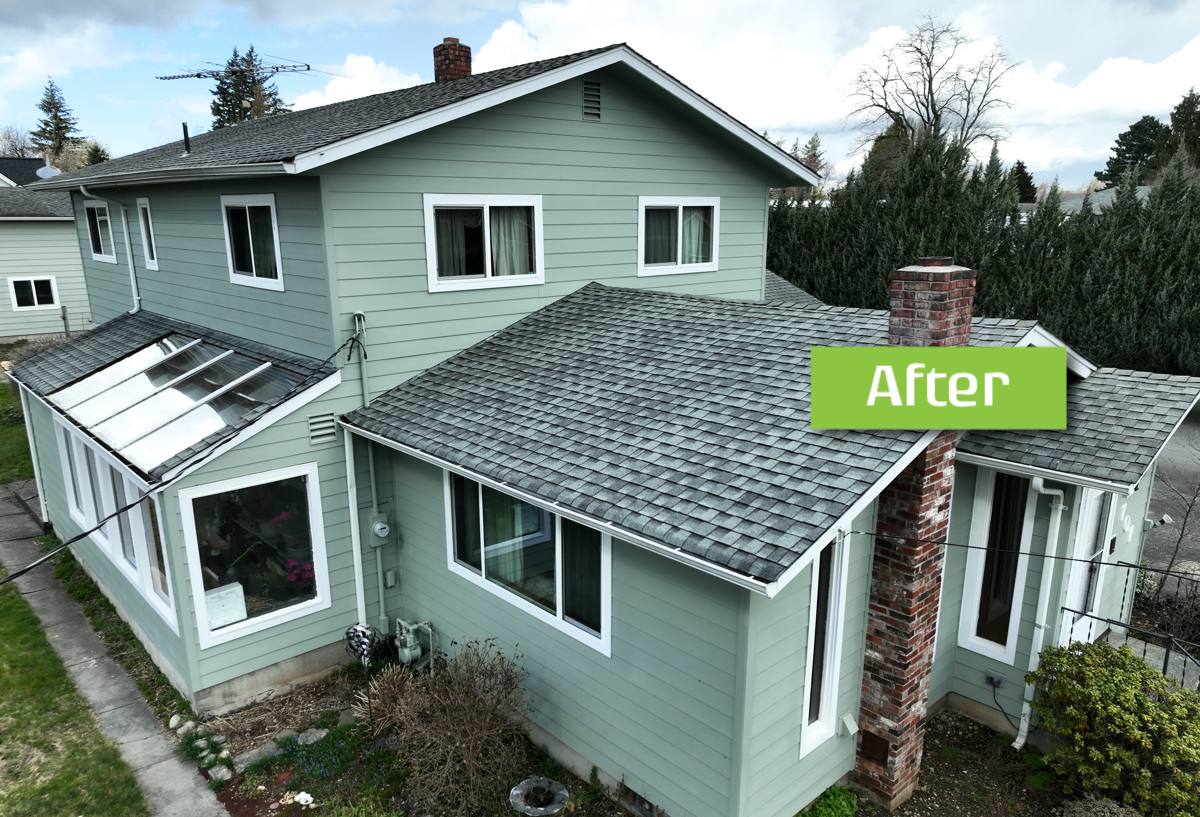
Why Roof Replacement Decisions Are Different Here Than Inland
Wind Uplift and Fastening
Florida's building code sets minimum wind resistance standards for roofing, but Pinellas County's coastal exposure means we generally don't treat the bare minimum as the target. Nailing patterns, fastener count, and starter strip installation at eaves and rakes all affect how well a roof resists uplift in a gust. This matters most at the edges and corners of the roof, where wind pressure concentrates and where a lot of storm damage actually starts.
UV Exposure
Florida sun is harder on roofing materials than most manufacturers' national warranty language assumes. Shingle granules break down faster, asphalt dries out and becomes brittle sooner, and lighter-duty underlayments can degrade before the shingles above them are due for replacement. We factor this into material selection rather than just installing whatever's cheapest.
Salt Air and Metal Components
Flashing, fasteners, vents, and any exposed metal on a roof are exposed to salt-laden air even a few miles inland, since coastal breezes carry it further than people expect. Metal that isn't properly rated for coastal exposure can corrode years ahead of schedule, which leads to leaks at exactly the points where a roof is supposed to be sealed.
What a Correct Roof Replacement Includes
A roof replacement done right isn't just about the shingles or the panels on top. Most leaks and premature failures we see trace back to what's underneath, not the visible surface layer. Here's what we consider non-negotiable on every job:
- Full tear-off to the deck — never installing over an existing layer, which traps moisture and hides deck damage
- Deck inspection and repair of any soft, rotted, or delaminated plywood before anything new goes down
- Self-adhering underlayment at eaves, valleys, and penetrations for wind-driven rain protection
- Corrosion-resistant flashing at all walls, chimneys, and roof-to-roof transitions
- Fastening patterns that meet or exceed Pinellas County's wind zone requirements
- Proper attic ventilation to manage heat buildup and moisture, both of which shorten roof life in Florida
- Manufacturer-compliant installation so warranty coverage is actually valid, not voided by shortcuts
Skipping any one of these doesn't necessarily show up as a problem right away. It shows up two or three years later, usually after a storm, when it's harder and more expensive to trace back to the install.
Choosing the Right Roofing Material for a Palm Harbor Home
There's no single "best" roofing material for every house — it depends on your roof's shape, your budget, how long you plan to stay in the home, and how much maintenance you're willing to do. What we won't do is push a product that doesn't suit coastal Florida conditions just because it's a popular style elsewhere.
| Material | Typical Lifespan Here | Wind Performance | Maintenance |
|---|---|---|---|
| Architectural asphalt shingles | 15-20 years in this climate | Good, with proper fastening and rated products | Low to moderate |
| Standing seam metal | 30-40+ years | Excellent, among the best for high-wind coastal areas | Low |
| Tile (concrete or clay) | 30-50 years | Very good when properly fastened and underlayment is maintained | Moderate, underlayment is the weak point |
| Flat/low-slope membrane | 15-25 years depending on system | Good with correct edge detail and adhesion | Moderate, needs periodic inspection |
Asphalt shingles remain the most common choice because they balance upfront cost with solid performance, provided the installation details are handled correctly. Metal has become increasingly popular in coastal Pinellas County specifically because of its wind resistance and long service life, even though the upfront cost is higher. Tile roofs are common on many Palm Harbor homes already, and replacement often means matching existing tile or transitioning to a comparable profile — the underlayment beneath the tile is usually the part actually being replaced, since the tile itself often outlives it.
Signs a Palm Harbor Roof Needs Replacing, Not Just Repairing
Not every roofing problem means a full replacement. But there are signs that point toward replacement being the more honest recommendation rather than another round of patching:
- Granule loss heavy enough that shingles look patchy or bald in sun-exposed areas
- Curling, cupping, or cracked shingles across multiple sections of the roof, not just one spot
- Repeated leaks in different locations after previous repairs
- Soft spots or visible sagging in the roof deck
- Roof age approaching or past the upper end of its expected lifespan for the material
- Visible storm damage affecting a large percentage of the roof surface
- Rising energy bills tied to failing attic ventilation or insulation exposed by roof deterioration
If a roof is showing one or two of these in a limited area, a targeted repair may genuinely be the right call, and we'll say so. We'd rather give you an honest repair-versus-replace assessment than upsell a full replacement you don't need yet.
How Our Roof Replacement Process Works
1. On-Site Assessment
We inspect the current roof, deck condition where accessible, attic ventilation, and any specific trouble spots you've noticed — leaks, sagging, missing shingles, or storm damage.
2. Material and Scope Discussion
We walk through material options suited to your home, budget, and how long you plan to own the property, along with a clear, written estimate before any work begins.
3. Tear-Off and Deck Repair
Complete removal of the old roofing down to the deck, with any damaged plywood identified and replaced before new materials go down.
4. Underlayment and Flashing
Installation of underlayment and flashing sized for wind-driven rain and coastal exposure, with particular attention to valleys, penetrations, and wall transitions.
5. Final Installation and Fastening
New roofing installed to manufacturer specifications and Pinellas County wind zone requirements, with fastening patterns appropriate to the material and roof geometry.
6. Cleanup and Final Walkthrough
Full site cleanup, including magnetic sweep for nails and debris, followed by a walkthrough so you know exactly what was done and what maintenance, if any, the new roof needs going forward.
Why Local Experience in Palm Harbor Matters
A roofing crew that regularly works in Palm Harbor and the surrounding Largo area already understands the wind zone requirements, permitting process through Pinellas County, and the specific climate stresses local roofs face. That's different from a crew that mostly works inland and treats Florida code minimums as a checklist rather than a baseline to build above.
Local experience also means faster response when something needs a second look after the job is done, and a crew that's still around — and easy to reach — years down the line if a warranty question comes up. Roofing is a long-term investment in your home, and who you hire to do it should be someone who plans to still be working in this community when that investment needs attention again.
Questions Worth Asking Before You Hire
Before signing a contract for a roof replacement, a few questions tend to separate a solid contractor from one you'll have problems with later:
- Are you licensed and insured to do roofing work in Florida, and can you provide proof?
- Will you pull the required permit, or is that left to the homeowner?
- Does your estimate include full tear-off, or is that priced separately?
- What underlayment and fastening spec are you using, and does it meet or exceed local wind zone code?
- What does the workmanship warranty cover, separate from the manufacturer's material warranty?
A contractor who answers these clearly and in writing, without hesitation, is generally one worth trusting with a job this significant.
Ready for a Straight Answer About Your Roof?
If your Palm Harbor home's roof is showing its age, took a hit in recent weather, or you're simply planning ahead, we're happy to take a look and give you an honest assessment — no pressure, no upsell. Request a free estimate using the form below and we'll walk you through exactly what your roof needs and why.