 Largo Window
 Roofing a Barrier Island Home Is Not the Same Job as Roofing Inland
Redington Shores sits on a narrow strip of land between the Intracoastal Waterway and the Gulf of Mexico, which means every roof out here is doing a harder job than a roof a few miles inland in Largo. The wind loads are higher, the salt exposure is constant, and the sun reflecting off open water adds UV punishment that inland shingles never see. A new roof installation here has to be built for that environment from the deck up, not just installed with a standard product and standard fasteners and hoped for the best.
We're based in Largo and have worked jobs on the beach side of Pinellas County for years, so we're not guessing at what holds up out here — we've pulled off enough wind-damaged and salt-corroded roofs to know exactly where cheap installations fail first.
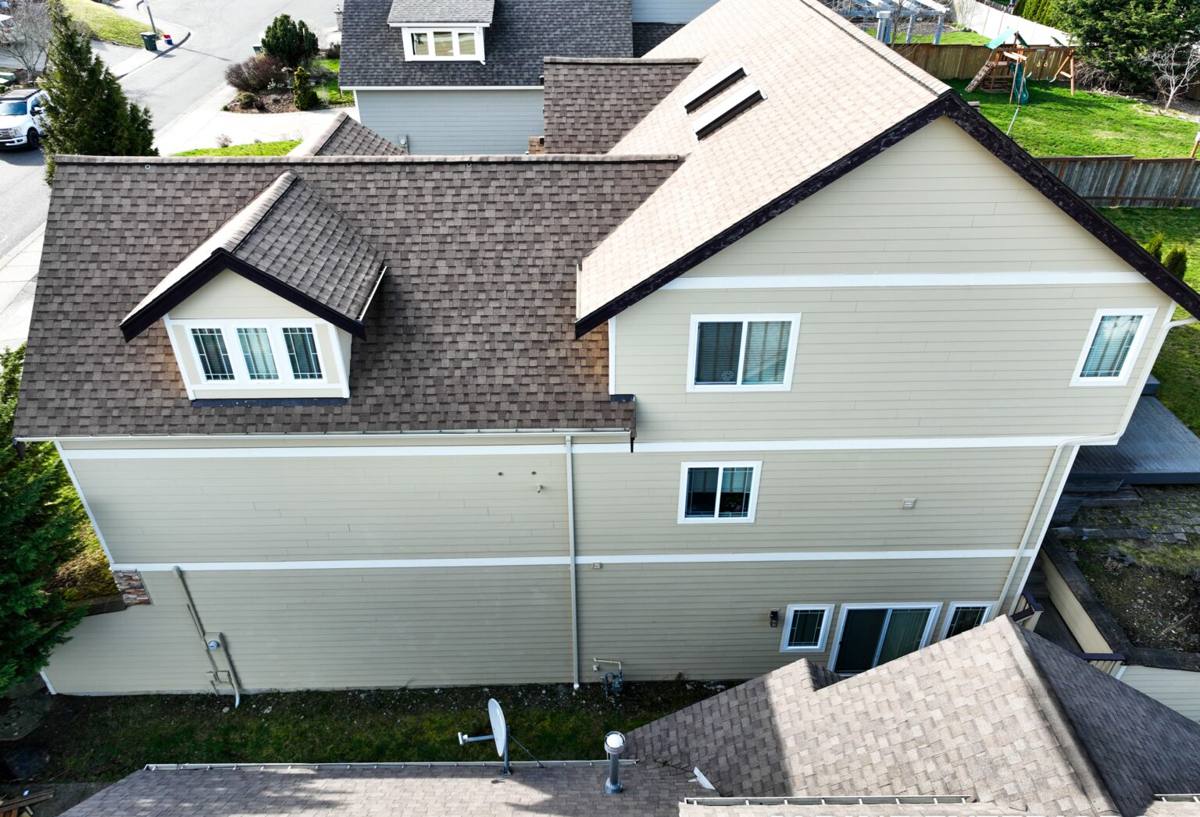
What Redington Shores' Climate Actually Does to a Roof
Four things wear on a roof here, and they compound each other:
- Hurricane-force and tropical-storm wind: Barrier islands take the first hit from Gulf storms, and sustained coastal wind speeds run higher than what a home a few miles inland experiences.
- Salt air: Airborne salt corrodes exposed metal fasteners, flashing, and roof vents faster than almost anywhere else in the county. Untreated or poorly rated metal components can start showing rust within a few seasons.
- Year-round UV: Florida sun degrades asphalt shingle mats and breaks down sealants over time, and that process runs faster on an open beachfront lot with no tree canopy to cut the exposure.
- Wind-driven rain: It's not just how hard it rains — it's the angle. Wind-driven rain pushes water sideways and upward under shingle edges and around penetrations, which is why underlayment and flashing details matter more here than the shingle brand itself.
None of these forces are unique to Redington Shores, but out here they all hit at once, at higher intensity, on a smaller and often older housing stock than you'll find further inland in Largo.
What a Correct New Roof Installation Requires in a High-Wind Coastal Zone
Wind Rating Isn't Optional Marketing — It's the Baseline
Pinellas County is in a high-velocity hurricane zone, and Florida Building Code sets minimum wind-uplift and fastening requirements for roofing systems here that are stricter than most of the country. A roof installed to code minimums for a low-wind inland region simply won't hold up on a barrier island. Every material we use — shingles, underlayment, fasteners, flashing — has to carry a wind rating appropriate to this exposure, and the fastening pattern has to match it. Cutting corners on nail count or nail placement is one of the most common reasons a "new" roof fails in the first serious storm.
The Deck Matters as Much as the Shingles
A new roof is only as good as what it's fastened to. On many older Redington Shores homes, we find roof decking that's been through decades of humidity cycling and prior leaks — soft spots, delaminated plywood, or nailing patterns that no longer meet current code. Part of an honest new roof estimate is inspecting the deck itself, not just quoting a re-cover over whatever is underneath.
Underlayment and Flashing Do the Real Waterproofing
The shingles or panels are the visible layer, but the underlayment and flashing are what actually stop wind-driven rain from getting into the structure. On a coastal install we use a full synthetic or self-adhering underlayment system rather than the bare minimum, with extra attention to valleys, chimney and vent flashing, and roof-to-wall transitions — the spots where nearly every roof leak actually starts.
Choosing a Roofing System for a Redington Shores Home
There's no single "best" roofing material for the beach — it depends on your home's structure, your budget, and how much long-term maintenance you want to take on. Here's how the common options actually compare in this environment:
| Roofing System | Wind/Storm Performance | Salt-Air Durability | Maintenance |
|---|---|---|---|
| Architectural asphalt shingle (high wind-rated) | Good, when properly fastened and rated for the exposure | Moderate — granule loss and edge wear over time near open water | Low to moderate |
| Standing seam metal | Excellent uplift resistance when installed correctly | Strong if coastal-grade coated metal and fasteners are used; standard steel components corrode faster in salt air | Low |
| Concrete/clay tile | Good, but individual tiles can dislodge in extreme wind if fastening is inadequate | High — tile itself doesn't corrode | Moderate (underlayment beneath tile still ages and needs eventual replacement) |
We'll walk you through which option fits your home's roof pitch, structure, and your budget honestly — including the trade-offs, not just the upside of whichever product we'd rather sell you.
Our New Roof Installation Process
- On-site inspection and estimate: We look at the existing roof, the deck condition where accessible, ventilation, and any problem areas — then give you a written estimate with no pressure to sign on the spot.
- Material selection: We go over shingle, metal, or tile options suited to a Redington Shores wind and salt exposure, along with color and warranty differences.
- Permitting: We pull the required permit through the appropriate local building department before work starts. Coastal wind-zone roofs are inspected, and skipping this step is not something we do.
- Tear-off and deck inspection: Old roofing comes off down to the deck, and any damaged or soft decking is identified and repaired or replaced before anything new goes down.
- Underlayment and flashing: Full underlayment system installed, with careful attention to valleys, penetrations, and wall transitions.
- Roofing material installation: Installed to the fastening pattern and wind-rating specification for your home's exposure — not a generic inland pattern.
- Final inspection and walk-through: Local inspection sign-off, then we walk the finished roof with you before calling the job done.
Permits and Inspections in Pinellas County
New roof installations require a permit and inspection through the local building authority — this isn't paperwork you can skip on a beachfront home. Permitted work also matters for insurance: many Florida homeowners' policies and windstorm coverage require documentation that the roof was installed to current code, and an unpermitted roof can complicate a claim after a storm. We handle the permit process as part of the job so you're not left tracking it down yourself.
What to Look for in a Finished Roof
Whether you hire us or someone else, here's what a properly completed new roof installation on a coastal Redington Shores home should include:
- Written scope showing the exact shingle, metal, or tile product and its wind-uplift rating
- Deck inspection results documented, with any repairs itemized separately from the base quote
- Full underlayment system, not a minimal single-layer felt on a coastal home
- Corrosion-resistant fasteners and flashing rated for salt-air exposure
- Permit pulled and final inspection passed before final payment
- Manufacturer warranty paperwork registered in your name
- A clean job site — old materials hauled off, gutters and landscaping checked for debris
Cost Factors on a Coastal Roof Replacement
We won't quote a number here without seeing your roof, but these are the real variables that move the price on a Redington Shores job:
| Factor | Why It Matters |
|---|---|
| Roof size and pitch | Steeper or more complex roofs take longer and use more material |
| Deck condition | Rotted or delaminated decking found during tear-off adds repair cost |
| Material choice | Shingle, metal, and tile carry different material and labor costs |
| Wind-rating requirements | Higher-rated fastening systems and underlayment cost more than code minimums |
| Access and layout | Tight beachside lots and multi-story homes can affect equipment access and labor time |
Why It Matters That We Already Work Redington Shores
A crew that mostly works dry, low-wind inland neighborhoods can still do a technically fine roof installation — but they're less likely to think automatically about salt-air fastener grades, wind-driven rain flashing details, or the specific inspection expectations for a Pinellas County coastal address. We're a Largo-based crew that already services this stretch of the beach, so those aren't special add-ons we have to be reminded about — they're just how we build a roof out here. That familiarity tends to show up later, in the storm season after the one when the roof went on, not on install day.
If you're planning a new roof for a Redington Shores home, we're happy to come take a look and give you a straightforward, written, no-pressure estimate — including an honest read on your deck condition and which roofing system actually makes sense for your house.