 Largo Window
 Madeira Beach Roofs Face a Different Kind of Wear
A roof a few miles inland and a roof near the Gulf in Madeira Beach are not aging the same way, even if they were installed the same year with the same materials. Homes here sit close to open water, which means constant salt-laden air working on every exposed metal fastener, flashing seam, and vent boot. Add in Pinellas County's intense year-round UV exposure, wind-driven rain that gets pushed sideways under shingle tabs and around penetrations, and the periodic threat of hurricane-force winds, and you get a roof that simply needs more attention than the textbook maintenance schedule assumes.
None of this means a roof near Madeira Beach is doomed to fail early. It means small problems — a lifted shingle corner, a hairline crack in a boot, a fastener starting to back out — turn into leaks faster here than they would elsewhere. Repair work in this area is as much about reading those early signs correctly as it is about the physical fix.
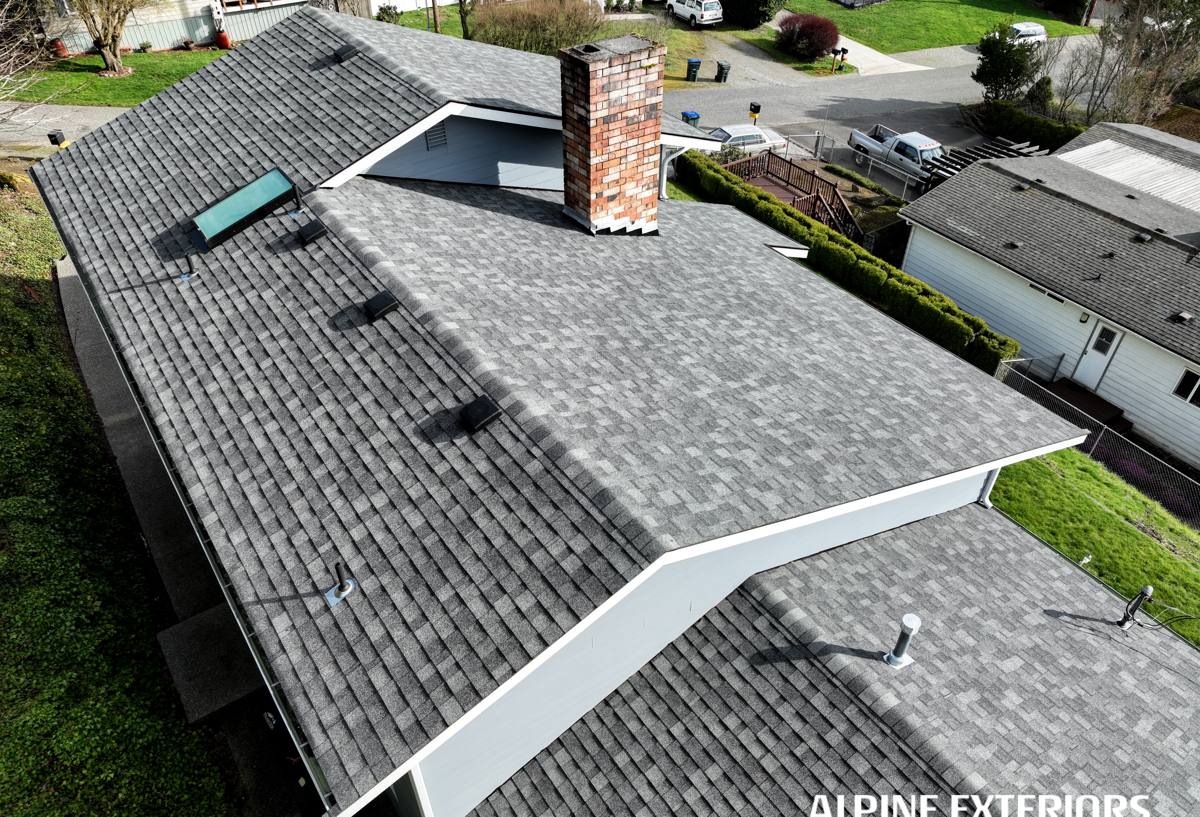
Signs Your Roof Needs Repair, Not Just a Look
Most roof repairs we're called out for started as something a homeowner noticed weeks or months earlier and assumed wasn't urgent. In a coastal climate, "not urgent" can turn into a soaked attic deck after one strong squall. Watch for:
- A brown or yellow-ish stain spreading on a ceiling or in the attic, especially after wind-driven rain
- Shingles that look curled, cupped, or lighter in color than the surrounding field
- Granules collecting in gutters or at downspout outlets
- Rust streaks below metal flashing, vent caps, or exposed fasteners
- Soft or spongy spots when walking the roof, or sagging visible from the ground
- Daylight visible through the roof deck from inside the attic
- A musty smell in upper rooms or closets that share a wall with the attic
Any one of these on its own might be minor. Two or more together, especially after a storm, usually means water has already found a way past the roof covering.
Why Small Leaks Get Overlooked Here
Salt air corrodes fasteners and metal edges slowly and quietly — there's no dramatic failure moment, just a gradual loosening that eventually lets water in during the next wind-driven rain event. By the time a stain shows up on drywall, the moisture has often been getting into the deck or insulation for a while. That's why we treat every service call in this area as a chance to check more than just the spot the homeowner points to.
What's Actually Causing the Leak
Roof leaks in this part of Pinellas County tend to come from a short list of repeat offenders, and correct repair depends on identifying which one you actually have.
Flashing and Penetrations
Chimneys, skylights, plumbing vents, and roof-to-wall transitions are where most leaks originate — not the open field of shingles. Flashing is metal, and metal near the Gulf corrodes and works loose faster than inland. A leak that seems to come from "the roof" is very often a flashing detail failing at one specific point.
Fasteners and Sealant
Nails, screws, and the sealant around them are constantly expanding, contracting, and getting hit with salt spray. Sealant that's cracked or fasteners that have backed out even a little are enough to let wind-driven rain through, especially during a storm with sustained gusts.
Wind Damage
Hurricane-force winds and even everyday Gulf-coast gusts can lift shingle tabs, crack tile, or peel back an edge without an obvious hole. The damage might not leak immediately, but it compromises the roof's ability to shed water the next time rain comes in sideways.
UV Breakdown
Constant sun exposure dries out asphalt shingles and degrades sealants over years, making the whole roof more brittle and more likely to crack under wind load or foot traffic during a repair.
Repair or Replace? How We Make the Call
Not every problem roof needs a full replacement, and we don't push one unless the numbers and condition genuinely point that way. The table below covers the main factors we weigh.
| Factor | Repair Usually Makes Sense | Replacement Usually Makes Sense |
|---|---|---|
| Roof age | Well within its expected lifespan | At or past the end of its expected service life |
| Damage extent | Isolated to one or two areas | Spread across multiple sections or slopes |
| Underlying deck | Solid, no rot found on inspection | Soft, delaminated, or repeatedly wet decking |
| Leak history | First occurrence or a clear single cause | Recurring leaks in different spots over time |
| Cost outlook | Repair cost is a small fraction of replacement cost | Repeated repairs are approaching replacement cost |
As a broad guideline, a straightforward repair — patching flashing, replacing a section of shingles, resealing penetrations — typically runs from a few hundred dollars up to a couple thousand, depending on scope and access. Anything approaching whole-roof replacement is a different conversation, and we'll tell you plainly if that's where your roof stands instead of stretching out repairs on a roof that's already at the end of its life.
What a Correct Roof Repair Includes
A repair that actually holds up in this climate is more than slapping sealant over a visible crack. A proper job includes:
- Locating the true source of the leak, not just the spot where the stain appears indoors
- Removing and replacing damaged shingles, tile, or underlayment rather than layering patches over compromised material
- Reflashing penetrations and transitions with corrosion-resistant metal and fresh sealant rated for exterior, coastal exposure
- Checking and re-securing fasteners in the surrounding area, not just at the damage site
- Inspecting the attic side of the repair area for existing moisture damage, mold, or deteriorated decking
- Confirming proper drainage and flashing lap direction so water sheds correctly, not just where the repair sits
Skipping any of these steps is how a "fixed" roof develops a new leak six months later, usually a few feet from where the last one was.
Our Roof Repair Process
1. Inspection
We start on the roof itself, not just from a ladder at the eave. We check the damaged area, the surrounding field, flashing details, and — with access — the attic from the inside, since interior signs often tell us more about how long water has been getting in.
2. Diagnosis and Options
We explain what we found in plain terms: what's causing the leak, what a proper repair involves, and whether repair or replacement is the honest recommendation. You get straight answers, not a sales pitch toward the bigger job.
3. The Repair
We remove compromised material down to sound decking, replace it with matching or compatible product, and reflash and reseal with materials suited to Gulf-coast salt exposure. We don't cover up a problem area — we rebuild it correctly.
4. Cleanup and Walkthrough
Debris and old fasteners get cleared from the roof and gutters, and we walk you through what was done and what to watch for going forward.
Materials and Details That Matter in Salt Air
Not every fastener, flashing metal, or sealant performs the same near the water. When we're repairing a roof in Madeira Beach, we default to corrosion-resistant fasteners and flashing rather than standard-grade hardware that's fine inland but degrades quickly here. We also pay closer attention to sealant selection — the wrong sealant can look fine for a season and then crack under UV exposure well before its rated lifespan. These are small material decisions, but on a coastal roof they're the difference between a repair that lasts and one you're calling us back about next year.
Why Local Experience in Madeira Beach Matters
A crew that regularly works this stretch of Pinellas County already knows which flashing details tend to fail first on Gulf-facing homes, how quickly standard hardware corrodes here versus inland, and what kind of wind exposure a given roof orientation typically sees. That's knowledge you don't get from a general contractor who occasionally drives out to the coast for a job. It also means we're familiar with local permitting expectations and wind mitigation considerations that can affect both the repair itself and your homeowner's insurance standing afterward.
Local availability matters too. When wind-driven rain finds a new opening during storm season, you want a crew that can get to a Madeira Beach roof quickly, not one working a schedule built around jobs an hour away.
Keeping Your Roof Ahead of the Next Storm Season
Between repairs, a little attention goes a long way in this climate. A simple routine we recommend to homeowners in the area:
- Walk the yard after any strong wind event and look up for missing or lifted shingles, tile, or debris on the roof
- Clear gutters and downspouts regularly so wind-driven rain has somewhere to go
- Check visible flashing and vent boots once or twice a year for cracking or rust
- Trim back tree limbs that could scrape the roof surface or drop debris during a storm
- Have the roof inspected before hurricane season if it's more than a few years old
- Address small leaks or stains immediately rather than waiting to see if they "dry up"
None of this replaces a professional inspection, but it catches the kind of early warning signs that keep a small repair from turning into a bigger one.
If you're dealing with a leak, storm damage, or just want a roof that's showing its age looked at by someone who knows what coastal exposure does to it, we're happy to take a look. Request a free, no-pressure estimate using the form below and we'll give you a straight assessment of what your roof actually needs.