 Largo Window
 Roof Repair in Safety Harbor: Why the Location Matters
Safety Harbor sits on Old Tampa Bay, and that waterfront position shapes what happens to a roof here over time. Homes just a few miles inland in other parts of Pinellas County don't take quite the same beating from salt-laden air moving off the water, and roofs closer to the bay tend to show wear — fastener corrosion, faster granule loss, sealant breakdown — sooner than roofs further from open water. Add in the wind exposure that comes with being near the bay, and you've got a roof that's working harder than the average Florida roof, which is already working hard.
Most of what we get called out for in this area isn't dramatic. It's a section of shingles lifted in a windstorm, a stack boot that's cracked and finally let water in, a valley that's been slowly failing for a season or two before anyone noticed the stain on the ceiling. Roof repair done right in Safety Harbor means understanding those specific failure patterns, not just patching whatever's visible from the ground.
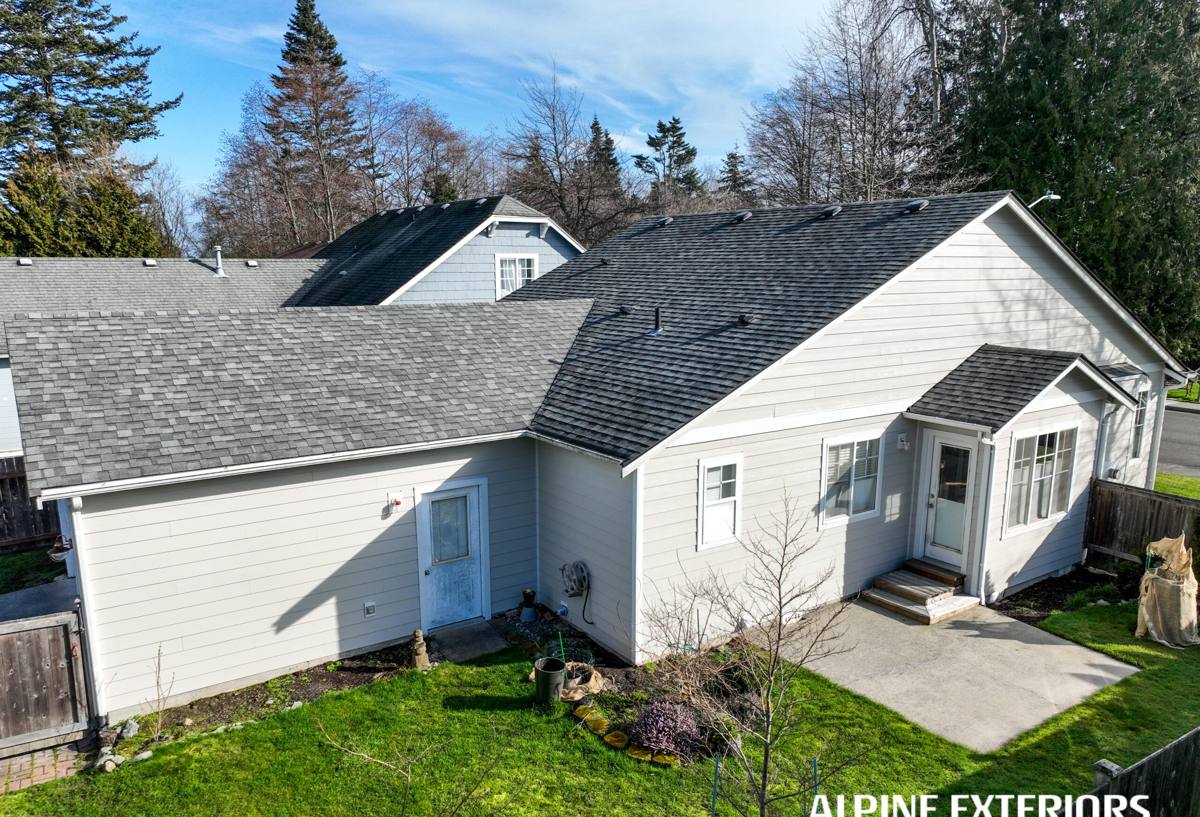
What Actually Wears Out a Roof Near Old Tampa Bay
Wind
Gulf Coast storm systems and the occasional direct hurricane threat mean Pinellas County roofs deal with sustained high wind and gusts on a regular basis, not just during named storms. Wind doesn't need to be catastrophic to do damage — it works shingle tabs loose, drives rain sideways under flashing, and stresses ridge caps until the sealant strip fails. Repeated exposure adds up even when no single event looks bad enough to report.
UV and Heat
Florida sun is intense and constant, and it's brutal on roofing materials year-round, not just in summer. UV breaks down asphalt shingle mat and dries out sealants faster than in most of the country. A shingle roof that would last decades in a milder climate loses granules and flexibility noticeably faster here.
Salt Air
Being near Old Tampa Bay means airborne salt reaches roof-mounted metal — nail heads, drip edge, flashing, vent stacks — and accelerates corrosion. Once a fastener or flashing seam starts rusting, it's only a matter of time before it stops sealing properly.
Wind-Driven Rain
Florida rain rarely falls straight down during a real storm. Wind-driven rain finds every gap in flashing, every lifted shingle tab, every place where sealant has dried and cracked — water that a calm-weather rain would never reach.
Signs Your Safety Harbor Roof Needs Repair
Most roof problems give some warning before they become a full leak. Worth checking for, or having us check for, on a regular basis:
- Shingles that are curling, cracked, or missing after a windy stretch
- Granules collecting in gutters or at downspout outlets
- Dark streaks or soft spots visible on the roof surface
- Ceiling stains, especially near chimneys, skylights, or where roof planes meet
- Cracked or dried-out sealant around vent stacks, pipe boots, and flashing
- Sagging in the roof deck when viewed from the ground or attic
- Rust streaks below metal flashing or fasteners
- Daylight visible through the roof deck from inside the attic
Any one of these on its own might not mean much. Two or three together, especially after a storm, is worth a professional look before it turns into interior damage.
Repair vs. Replacement: Making the Right Call
Not every roof problem calls for a new roof, and not every leak can be fixed with a patch. The honest answer depends on the roof's age, how widespread the damage is, and what's underneath the surface layer once we get up there.
| Factor | Leans Toward Repair | Leans Toward Replacement |
|---|---|---|
| Roof age | Under 12-15 years, shingle roof | Nearing or past manufacturer's expected lifespan |
| Damage location | Isolated to one section or penetration | Spread across multiple roof planes |
| Decking condition | Solid, no rot found on inspection | Soft, delaminated, or water-stained decking |
| Storm history | First reported issue after a specific event | Pattern of repeat leaks over several seasons |
| Granule loss | Localized to storm-damaged shingles | Widespread across the whole roof surface |
| Insurance situation | Repair covers the documented damage | Adjuster or inspection supports full replacement |
We'll tell you honestly which side of that table your roof falls on. A roof with a lot of life left doesn't need to be replaced because of one bad section, and a roof that's failing in multiple places doesn't need a fourth or fifth patch when the underlying material is done.
What a Correct Roof Repair Actually Involves
A repair that actually holds isn't just sealing the spot you can see. It starts with finding where water is actually entering, which is often not directly above the stain — water travels along the deck and rafters before it shows up inside. From there, a proper repair means:
- Pulling back enough surrounding material to see the full extent of the damage, not just the visible failure point
- Checking the decking underneath for soft spots or rot before closing anything back up
- Matching shingle or tile type, profile, and where reasonably possible, color, so the repair doesn't stand out
- Replacing flashing and pipe boots rather than just re-sealing ones that have already started to fail
- Re-securing with corrosion-resistant fasteners appropriate for coastal exposure
- Confirming the repair ties properly into the surrounding roofing so water sheds the way it's supposed to
Skipping any of those steps is how a "fixed" roof leaks again in the next storm. Caulk over a symptom without addressing the actual entry point, and you've bought a few months, not a solution.
Our Roof Repair Process
Inspection and Diagnosis
We start on the roof, not just the ceiling stain. That means checking the deck, the flashing, the valleys, the penetrations, and the general condition of the surrounding material — not only the spot that's actively leaking.
A Straight Answer on Scope
We'll explain what we found, what's causing it, and whether it's a repair or something bigger. If it's a smaller job than expected, we say so. If it's more than a patch can fix, we say that too, along with why.
The Repair Itself
We do the work to the standard described above — proper flashing, matched materials, correct fasteners — not the fastest thing that'll pass a glance from the ground.
Cleanup and Documentation
We clean up debris and old material, and if the damage is storm-related, we document it with photos before and after in case it's needed for an insurance claim.
Roof Types We Repair and How the Approach Differs
Asphalt Shingle
The most common roof type in Pinellas County and generally the most straightforward to repair section-by-section, provided replacement shingles can be reasonably matched to what's already up there.
Tile
Tile roofs are durable against UV and heat but the tiles themselves are brittle and can crack from foot traffic or debris impact. Repair usually means replacing individual cracked or displaced tiles and checking the underlayment beneath them, which is often the actual source of a leak even when the tile looks fine.
Metal
Less common on older Safety Harbor homes but increasingly requested for its wind and longevity performance. Repairs typically center on fastener backouts, seam sealant, and flashing at penetrations rather than the panels themselves.
Insurance, Storms, and Documentation
After a windstorm or named storm event, insurance timing and documentation matter as much as the repair itself. We photograph damage before starting work, keep records of what we found and what we did, and can provide the kind of documentation an adjuster expects to see. We won't tell you what to claim or how to handle your policy — that's between you and your insurer — but we'll make sure the physical record of the damage and the repair is solid either way.
Why a Crew That Already Works Safety Harbor Matters
A roofer who's already repaired roofs in Safety Harbor and the surrounding Pinellas County area knows what tends to fail here and why — which is different from what fails on a roof fifty miles inland. That familiarity means less time spent figuring out the problem and more time spent fixing it correctly the first time. It also means we're a known, reachable local business, not a storm-chasing crew that shows up after a hurricane and is gone by the time a repair needs a warranty call.
If you've got a leak, storm damage, or just want a second opinion on whether that patch job from a few years back is still doing its job, we're glad to take a look. Reach out for a free, no-pressure estimate using the form below — we'll come look at the actual problem before recommending anything.