 Largo Window
 Why Clearwater Roofs Wear Out Faster Than Roofs Inland
A roof in Clearwater does not have an easy life. It sits under some of the most intense, nearly year-round UV exposure in the country, gets soaked by wind-driven rain that finds every weak seam, and lives close enough to the Gulf that salt air is constantly working on exposed metal, fasteners, and flashing. Add in the wind loads that come with a direct hurricane hit or even a strong seasonal storm, and it's easy to see why a roof that might last a quarter-century in a milder climate can be showing serious wear in half that time here. None of that means every roof needs to be replaced early — many hold up well when they were installed correctly in the first place. But it does mean that when a Clearwater-area roof does need replacing, the job has to be done with this specific climate in mind, not with a generic approach borrowed from a cooler, drier part of the country.
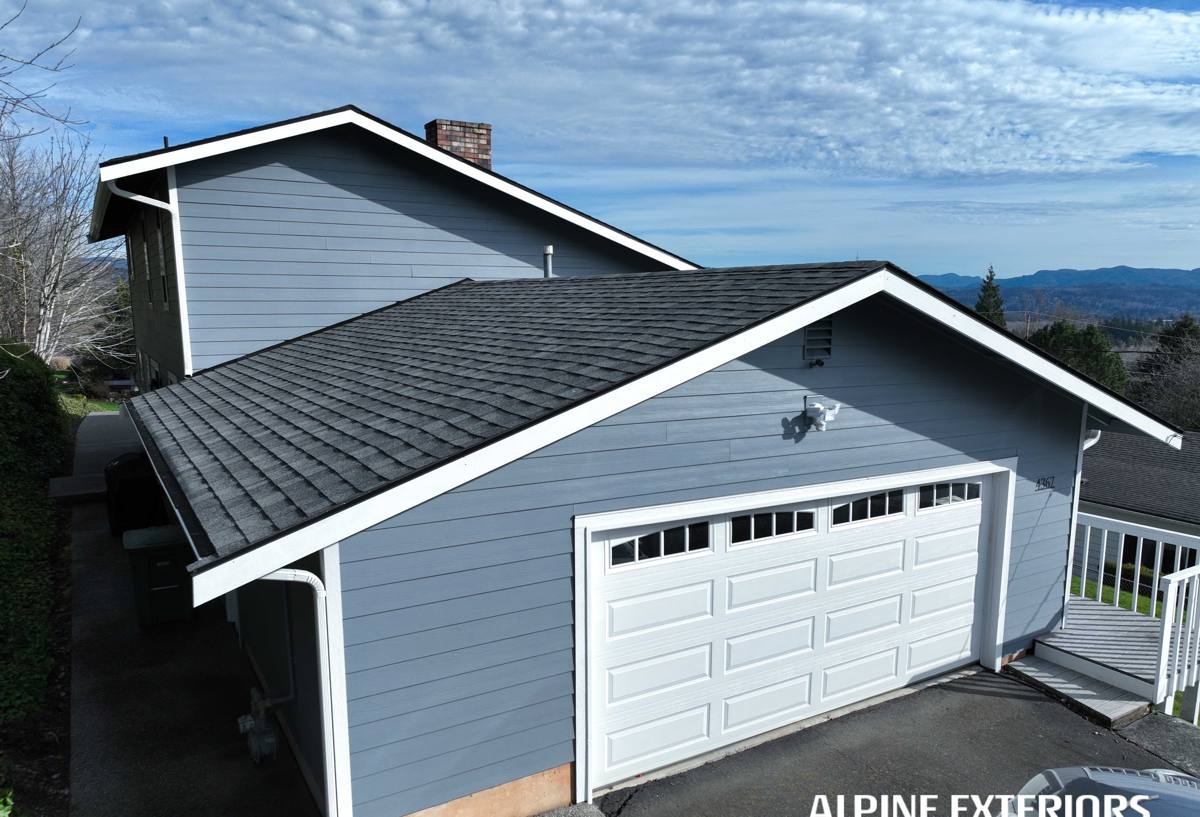
Repair or Replace? Reading the Signs Correctly
Not every roof problem calls for a full replacement, and a straight, honest contractor should tell you that plainly during an inspection. The right call depends on the roof's age, how widespread the damage is, and what's happening underneath the surface layer — not just what's visible from the ground.
Signs a Repair Might Still Make Sense
- A handful of missing or damaged shingles after a storm, with no signs of water intrusion below
- Isolated flashing failure around a single vent, skylight, or chimney
- A roof under 12-15 years old with otherwise sound decking and granule coverage
- Minor, localized leaks with a clearly identifiable, contained cause
Signs You're Past the Point of Repair
- Widespread granule loss, curling, or cracking across most of the roof surface
- Multiple leak points or staining in different areas of the attic or ceiling
- Soft, spongy decking found during inspection, which points to ongoing moisture damage
- A roof already at or past its expected service life for its material and this climate
- Previous patch-on-patch repairs that are starting to fail again
What a Correct Roof Replacement Actually Involves
A roof replacement is more than swapping out the top layer of shingles or panels. Done right, it's a full system rebuild, and every layer matters for how the roof performs against Clearwater's climate.
Tear-off and decking inspection. The old roofing material comes off completely so the decking underneath can be inspected. This is the step that catches hidden rot, delamination, or soft spots caused by long-term moisture — problems that a roof-over installation would simply bury and let get worse.
Underlayment. This is the roof's real waterproofing layer, and it matters more here than almost anywhere else, since wind-driven rain during storms can push water sideways and under shingle tabs. A quality synthetic or self-adhering underlayment, installed correctly at seams and around penetrations, is what actually keeps a home dry when wind and rain arrive together.
Flashing. Around chimneys, skylights, walls, and roof valleys, flashing is one of the most common failure points on any roof, and salt air accelerates corrosion on cheaper or improperly installed metal. New flashing, installed with the right laps and sealed correctly, closes off the paths water actually takes into a home.
Fastening and wind resistance. How shingles or panels are nailed or fastened, and how many fasteners are used per piece, has a direct effect on wind uplift resistance. In a coastal wind zone, cutting corners here is exactly what shows up as missing shingles after the next storm.
Ventilation. A roof system needs proper intake and exhaust ventilation to manage heat and moisture in the attic. Poor ventilation shortens the life of shingles from the underside, through heat buildup, even as UV works on them from above.
Choosing a Roofing Material for a Coastal Pinellas County Home
There's no single "best" roofing material for every home — the right choice depends on budget, roof design, and how long you plan to stay in the home. What matters is understanding the honest trade-offs of each option in a climate with heavy UV, salt exposure, and wind risk.
| Material | Typical Coastal Lifespan | Wind Performance | Relative Cost | Maintenance Notes |
|---|---|---|---|---|
| Architectural asphalt shingle | 15-25 years | Good, with proper fastening and rated shingles | Lowest to moderate | Periodic inspection after storms; granule wear is the main aging sign |
| Metal (standing seam or panel) | 30-50 years | Very good to excellent | Moderate to high | Fastener and coating checks over time; handles wind-driven rain well |
| Concrete or clay tile | 30-50+ years | Good when properly fastened; individual tiles can crack from impact | Higher | Occasional tile replacement; underlayment life still governs true water resistance |
Whatever material you choose, the underlayment and flashing work described above matters just as much as the surface material itself — a premium material over a poorly installed underlayment will still leak.
Wind Ratings, Permits, and Building Code in Pinellas County
Roof replacements in Clearwater and the surrounding Pinellas County area are governed by the Florida Building Code, which sets minimum wind uplift and fastening requirements based on local wind speed maps. A permitted, code-compliant roof replacement isn't optional paperwork — it's what determines whether the roofing materials and installation method are actually rated for the wind loads this area sees. Permits also trigger inspections at key stages, which is a built-in check that the work was done to code, not just to look finished from the ground.
Replacing a roof correctly can also affect your homeowners insurance. Many insurers offer wind mitigation credits for verified features like a properly rated roof covering, secondary water barrier, and correctly installed roof-to-wall connections. A new roof installed to current code is often the single biggest opportunity a homeowner has to improve their wind mitigation standing and potentially lower premiums — worth discussing with your insurance agent once the work is documented.
Our Roof Replacement Process
- Inspection and honest assessment. We look at the roof from the surface down through the attic where possible, and tell you plainly whether replacement is actually needed.
- Material and scope discussion. We walk through material options and what they mean for cost, lifespan, and appearance on your specific roof, with no pressure toward the most expensive option.
- Written estimate. A clear scope of work and price before anything is scheduled, so there are no surprise line items later.
- Permitting. We handle the permit application and coordinate required inspections through the local building department.
- Tear-off and decking check. Old material is removed, decking is inspected, and any needed repairs are reviewed with you before covering it back up.
- Underlayment, flashing, and roof covering installation. Each layer installed to code and manufacturer specification, not shortcuts.
- Final inspection and cleanup. Job site cleared of debris and nails, with the roof ready for its final code inspection.
What to Expect on Installation Day
A full roof replacement is a noisy, physical job, and knowing what's coming makes the day go smoother for everyone in the home.
- Expect a work crew and material delivery early in the day, with noise and vibration throughout
- Vehicles should be moved away from the driveway and immediate work area
- Items on walls (mirrors, art) can shift from vibration — worth double-checking anything fragile
- Pets are best kept indoors or off-site, since gates and yard access may be in use
- A magnetic nail sweep of the yard and driveway should be part of cleanup, not an afterthought
- Most straightforward residential tear-off-and-replace jobs are completed in one to a few days, weather permitting
Why a Crew That Already Works in Clearwater Matters
Roofing crews that work regularly in this part of Pinellas County already know the local permitting process, the wind rating requirements that apply here, and how homes in this area are typically built. That familiarity shows up in small but real ways — knowing which flashing details tend to fail first on local roof styles, understanding how salt air affects material choice near the water versus further inland, and being available to respond when storm season brings a wave of damage at once. A crew that's just passing through doesn't carry that local knowledge, and it's usually the homeowner who ends up covering the gap when something wasn't accounted for.
Protecting Your New Roof from Sun, Salt, and Storms
A correctly installed roof still benefits from basic upkeep in this climate. Keep gutters clear so water isn't backing up under the roof edge during heavy rain. Trim back overhanging branches that drop debris and hold moisture against the roof surface. After any significant wind event, a quick visual check for lifted or missing shingles, dented flashing, or debris buildup can catch small problems before they become leaks. Most roofing manufacturers also recommend a periodic professional inspection, particularly for roofs carrying a wind or storm warranty, since documented maintenance can matter if a warranty claim ever comes up.
If your Clearwater-area home has a roof that's aging, storm-damaged, or just due for an honest second opinion, we're happy to take a look and give you a straightforward, no-pressure estimate — fill out the form below and we'll get in touch.