 Largo Window
 A Barrier Island Roof Works Harder Than Most
Redington Beach sits right on the Gulf, and that location shapes everything about how a roof ages there. Homes just a few miles inland in Largo still deal with Florida sun and summer storms, but a roof on the beach takes a heavier combined load: salt-laden air that corrodes metal fasteners and flashing faster, wind that comes off open water with nothing to slow it down, and wind-driven rain that gets pushed sideways into every seam, vent, and lap in the roofing system. None of that means a roof on Redington Beach is doomed to fail early. It means the roof has to be built correctly for that environment from the deck up, not just installed the same way a crew would handle a house ten miles inland.
We work on homes throughout Pinellas County, and the barrier island communities like Redington Beach are their own category. Roof replacement here isn't just about picking a shingle color — it's about matching the assembly, the fasteners, and the flashing details to what the Gulf actually does to a roof over time.
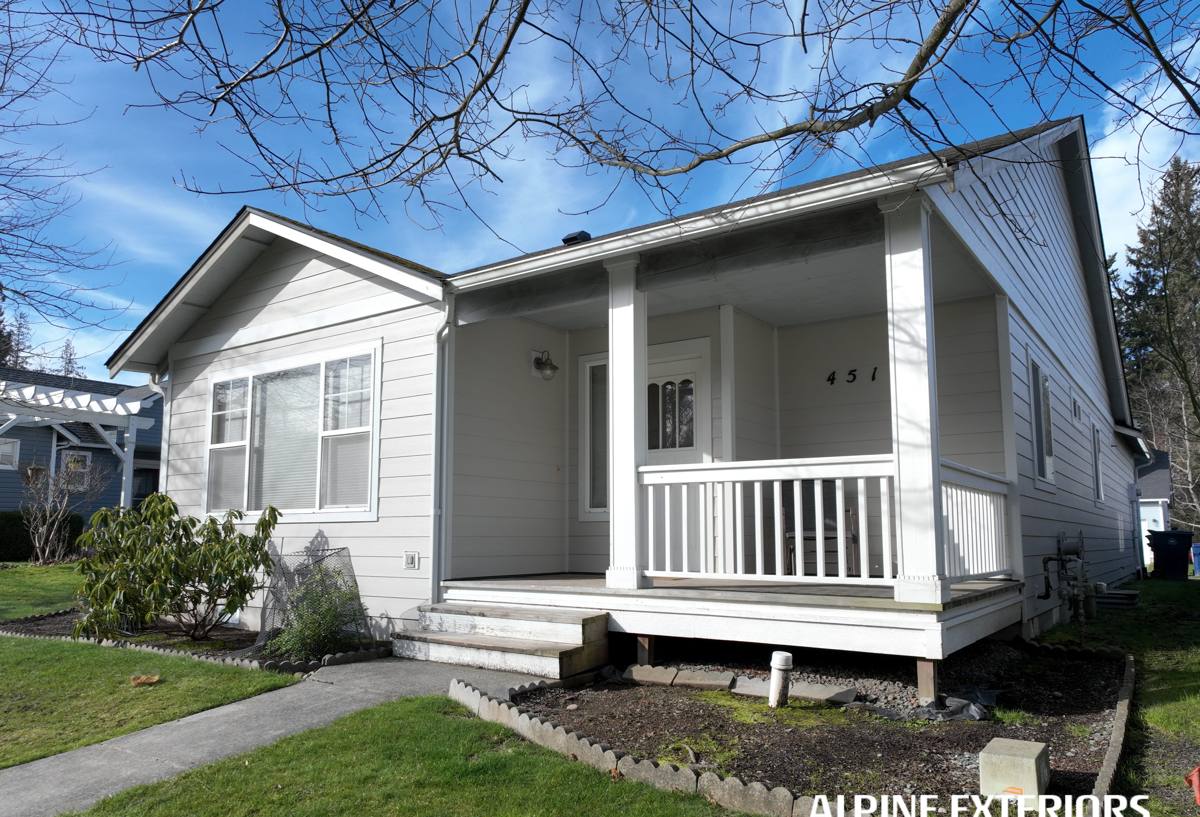
Signs a Redington Beach Roof Needs Replacement, Not Just Repair
Coastal roofs often show wear in different places than inland roofs. Before assuming a full replacement is needed, we look for patterns rather than a single symptom:
- Granule loss concentrated on the Gulf-facing slope, where UV and salt spray hit hardest
- Rusted or discolored streaking below metal flashing, vent boots, or exposed fasteners
- Curling, cupping, or brittle shingles that crack when walked on — a sign the mat has dried out from sustained heat exposure
- Soft spots in the decking found during a walk of the attic or roof surface, usually near valleys or old repair patches
- Repeated leaks after wind-driven rain events even though the roof looks intact from the ground
- A roof nearing or past the age where its underlayment and flashing were rated to perform, even if the shingles still look presentable
A roof that's patched repeatedly instead of replaced tends to fail at the worst possible time — during or right after a storm, when materials and crews are hardest to schedule. If a roof is showing two or more of the signs above, it's usually more cost-effective over the long run to replace it on your own timeline than to keep chasing leaks.
What a Correct Roof Replacement Actually Involves
Starting With the Deck
The roof deck is the foundation everything else depends on. On a coastal replacement, we don't just re-cover it — we inspect it. Any wood that's soft, delaminated, or fastener-worn gets replaced before a single shingle or underlayment sheet goes down. Skipping this step is the single most common shortcut in low-bid roofing, and it's the one that shows up years later as a soft spot or a leak that seems to come from nowhere.
Underlayment and the Secondary Water Barrier
In a wind-driven rain environment, the roof covering is the first line of defense, but it isn't the only one. A properly detailed secondary water barrier — sealed deck seams, self-adhering underlayment at eaves, valleys, and penetrations — keeps water out even if wind lifts or drives moisture past the primary roofing material during a bad storm. This layer matters more on the beach than almost anywhere else in Pinellas County, because it's rain that hits the roof sideways, not straight down, that causes most storm-related leaks here.
Fastening and Attachment
Wind doesn't pull a roof off shingle by shingle — it finds the weakest attachment point and works outward from there. Correct nail patterns, appropriate fastener length for the deck thickness, and manufacturer-specified starter courses at eaves and rakes all matter more in a high-wind coastal zone than they would on a calmer inland roof. We also use corrosion-resistant fasteners and flashing hardware suited to salt air, rather than standard-grade metal that can start rusting within a couple of storm seasons.
Ventilation That Doesn't Become a Leak Path
A roof needs to breathe to keep the attic from cooking the decking and shortening the life of the materials above it. But every vent is also a potential entry point for wind-driven rain. We balance intake and exhaust ventilation using vent products and details rated for high-wind, wind-driven-rain exposure, rather than standard vents that work fine inland but leak on an exposed beachfront roof.
Matching the Material to a Redington Beach Home
There's no single "best" roofing material for the coast — the right choice depends on the home's structure, roof pitch, budget, and how long the owner plans to keep it. Here's how the common options generally compare for a barrier island property:
| Material | Wind Performance | Salt-Air Durability | Typical Lifespan | Best Fit |
|---|---|---|---|---|
| Architectural asphalt shingle (high-wind rated) | Strong when properly fastened and sealed | Good with corrosion-resistant flashing and fasteners | 15-25 years in this climate | Most single-family beach homes on a budget |
| Standing-seam metal | Excellent — fewer exposed fastener points | Very good with marine-grade coatings and fasteners | 30-50 years | Owners planning to stay long-term or minimize future re-roofs |
| Concrete or clay tile | Strong when fastened per current wind code, heavier structural load | Good, but mortar and flashing detailing need coastal-grade materials | 30-50 years | Homes built or reinforced to carry the added roof weight |
| Low-slope/flat membrane (additions, porches, garages) | Depends heavily on correct edge and termination detailing | Fair to good with proper coatings | 15-20 years | Flat-roofed additions common on older beach cottages |
Whatever material a homeowner chooses, the flashing, fastening, and underlayment details matter as much as the material itself. A mid-grade shingle installed correctly on the coast will outlast a premium product installed with inland-standard details.
Wind, Water, and Local Code Requirements
Roofing on a barrier island in Pinellas County isn't a "match the neighbor's roof" job. Local building codes set minimum wind-uplift resistance, fastening schedules, and underlayment requirements specifically because coastal exposure is more demanding than inland construction. Any roof replacement here should be pulled under permit through the local building department, inspected at the appropriate stages, and installed to the current code — not to whatever standard was in place when the home was originally built decades ago.
This matters for more than compliance. Insurance carriers increasingly ask for documentation of wind mitigation features — secondary water barrier, roof-to-wall connections, opening protection — when writing or renewing coverage on coastal Florida homes. A properly permitted, correctly documented roof replacement can directly affect what a homeowner pays for insurance going forward.
Our Roof Replacement Process
We keep the process straightforward and communicate at each stage, because a roof replacement disrupts a household and we don't want surprises added on top of that:
- On-site inspection — we walk the roof and attic, check the deck condition, flashing, ventilation, and any storm or leak history the homeowner can share.
- Written scope and material selection — a clear, itemized plan covering tear-off, deck repair allowance, underlayment system, material, flashing, and ventilation — no vague line items.
- Permitting — we handle the permit application with the local building department before work starts.
- Tear-off and deck inspection — old roofing is removed and the deck is inspected in daylight, with any needed repairs approved before covering it back up.
- Underlayment and flashing installation — the secondary water barrier and all flashing details go in first, since these are the parts of the job that are invisible once the roof is finished.
- Roof covering installation — installed to manufacturer specification and current wind-uplift requirements, not shortcuts.
- Cleanup and magnetic sweep — job site and yard cleared of debris and stray fasteners.
- Final inspection and walkthrough — the local building inspector signs off, and we walk the finished roof with the homeowner.
Barrier Island Logistics: Access, Timing, and Staging
Redington Beach presents some practical challenges that don't come up on a typical inland Largo job. Streets are narrower, lots are tighter, and there's often less room for a dumpster, material staging, and crew vehicles at the same time. Some properties are part of a condo association or have shared driveways, which means access has to be coordinated in advance rather than assumed. We plan material delivery and staging around these constraints before the crew ever shows up, so the job doesn't stall halfway through because a truck can't get in or materials have nowhere to sit.
Timing matters too. Roofing during peak hurricane season (June through November) carries added risk of a job getting interrupted mid-tear-off by an approaching storm. Whenever a homeowner has flexibility, scheduling a replacement in the drier, calmer months reduces that risk — but when a roof is already failing, we don't wait on ideal weather to get a home dried in and protected.
Why Local Experience on the Beach Matters
A contractor who mostly works subdivisions ten or fifteen miles inland can still do a technically fine roof — but they may not think about salt-air fastener corrosion, wind-driven rain at low-slope transitions, or how to stage a job on a street with no room to spare. Experience specific to Redington Beach and the other Gulf-front communities in Pinellas County shows up in the details: which flashing metals actually hold up a few blocks from saltwater, how much extra underlayment overlap makes sense on an exposed slope, and how to sequence a tear-off around tide and weather windows so a home isn't left exposed longer than necessary.
Before hiring anyone for a coastal roof replacement, it's worth asking a few direct questions:
- Do you pull permits through the local building department, and will the job be inspected at each required stage?
- What underlayment and secondary water barrier system do you use on wind-driven-rain exposure roofs?
- What fastener and flashing materials do you use specifically because of salt-air exposure?
- Can you provide proof of current license and insurance before any work begins?
- How do you handle staging and access on a narrow barrier island lot or shared driveway?
- What's included in writing — tear-off, deck repair allowance, materials, warranty terms — versus what could become a change order later?
A contractor who answers these clearly and specifically, rather than with generic reassurance, is usually the one who's actually done this work on the beach before.
Keeping a New Roof Sound in Salt Air
Even a correctly installed roof benefits from basic upkeep in a coastal environment. Rinsing accumulated salt residue off the roof surface periodically, keeping gutters and downspouts clear so water doesn't back up under shingles or flashing, and having the roof looked at after any major storm — not just when a leak appears — all extend the life of the investment. Small issues caught early, like a lifted shingle tab or a slightly separated flashing seam, are inexpensive to fix. Left alone through another storm season, they turn into deck damage and interior repairs.
If your roof in Redington Beach is showing its age, was damaged in a storm, or you simply want an honest assessment of what condition it's really in, we're happy to take a look. The estimate is free, there's no pressure attached to it, and you'll get a straight answer about whether repair or replacement makes sense — you can request one using the form below.