 Largo Window
 Why Safety Harbor Roofs Wear Out Faster Than the Warranty Sticker Suggests
Safety Harbor sits close enough to Tampa Bay that its homes take on a specific mix of punishment: intense UV exposure nearly every day of the year, sudden wind-driven rain during summer storms, the periodic threat of hurricane-force gusts, and a steady drift of salt-laden air off the water. None of these alone is unusual for Pinellas County, but together they age a roof faster than the same product would age in a drier, cooler climate. Asphalt shingles lose their granules and flexibility under constant UV bombardment. Fasteners and flashing corrode a little faster in salt air. Wind-driven rain finds its way into laps and seams that would stay dry in a calmer climate. A roof rated for 25 or 30 years elsewhere in the country often shows real trouble here well before that mark, especially if the original installation cut corners on underlayment or flashing.
That's the backdrop for every roof replacement conversation we have in Safety Harbor. It's not just "put new shingles on an old house" — it's matching the assembly underneath the shingles to what this specific climate actually does to a roof over time.
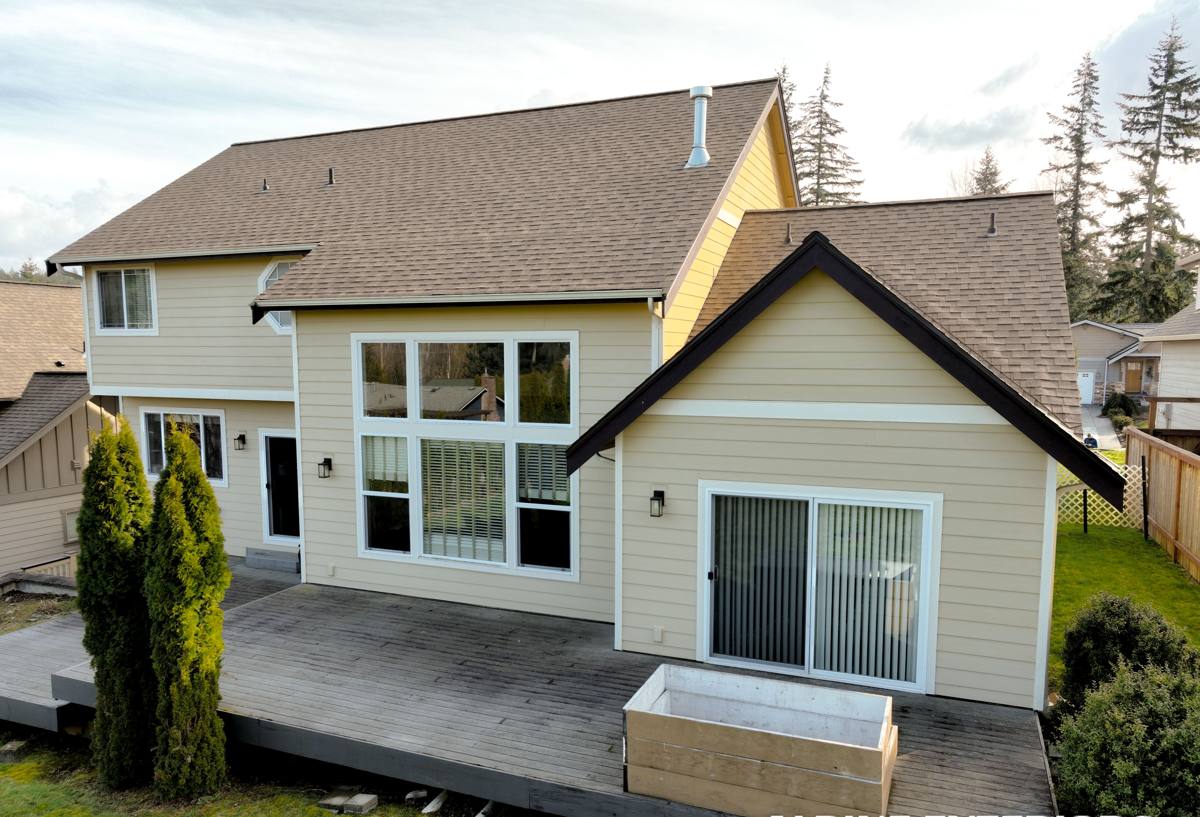
Signs a Safety Harbor Roof Needs Replacement, Not Another Patch
Plenty of roofs get by for years on spot repairs. But there's a point where patching stops being cost-effective and starts being a way to spend money without solving the underlying problem. Common signs we look for on Safety Harbor homes include:
- Shingles that are cupping, curling, or losing granules in large patches rather than a few isolated spots
- Visible daylight through the roof deck in the attic, or damp insulation after a normal rain
- Soft or spongy spots underfoot on the roof, which usually means the decking has taken on moisture
- Repeated leaks in different locations after previous repairs — a sign the underlayment has failed broadly, not just at one flashing point
- A roof older than 15-20 years that hasn't had a full tear-off, regardless of how it looks from the street
- Missing or lifted shingles after a windstorm, especially near ridges, hips, and eaves where uplift is strongest
If a roof is showing one or two of these in isolation, a repair may genuinely be the right call. If it's showing several at once, or if the roof is old enough that materials underneath are also near the end of their service life, replacement is usually the more honest recommendation — and the one that avoids paying for repairs on a roof that needs replacing anyway.
Insurance and Age Matter Too
In Florida, roof age affects insurability as much as roof condition does. Many carriers now require inspections or restrict coverage on roofs past a certain age, regardless of how well-maintained they are. If your policy renewal is getting complicated because of roof age, that's worth factoring into the repair-versus-replace decision alongside the physical condition of the roof itself.
What a Correct Roof Replacement Actually Involves
A roof replacement is more than swapping old shingles for new ones. Every layer under the visible surface does specific work, and skipping or shortcutting any of them is where roofs fail early — especially in a climate that doesn't forgive weak points.
Tear-Off and Deck Inspection
We remove the existing roofing material down to the deck rather than layering over it. This lets us actually see the plywood or OSB decking underneath, which is the only way to catch rot, delamination, or fastener issues before they're sealed under a brand-new roof. Any damaged decking gets replaced — this is not an area to save money by reusing questionable sheathing.
Underlayment
The underlayment is the roof's real waterproofing layer; shingles are the weather and wear surface on top of it. In a wind-driven rain climate like ours, a synthetic underlayment with properly sealed laps, plus self-adhered membrane at vulnerable areas like valleys, eaves, and roof penetrations, makes a meaningful difference in whether water actually stays out during a sideways summer storm.
Flashing
Flashing around chimneys, skylights, walls, and roof-to-wall transitions is where most roof leaks actually originate — not in the open field of shingles. Correct flashing work means new metal, properly lapped and integrated with the underlayment, not old flashing reused under new shingles to save a step.
Fastening for Wind
Given how much wind this area sees, nailing pattern and fastener count matter more here than in calmer parts of the country. Proper fastening — the right number of nails, in the right locations, driven correctly rather than overdriven or underdriven — is a big part of whether a roof holds together in a serious wind event.
Ventilation
A hot, poorly ventilated attic shortens the life of shingles from underneath, cooking them from below while the sun works on them from above. Correct ridge and soffit ventilation, sized to the attic, helps the whole roof assembly last as long as it's designed to.
Material Options for Safety Harbor Homes
There's no single "best" roofing material — the right choice depends on budget, how long you plan to stay in the home, the roof's slope and shape, and how much maintenance you want to take on. Here's an honest comparison of the main options we install and discuss with Safety Harbor homeowners:
| Material | Typical Lifespan | Wind Performance | Maintenance | Relative Cost |
|---|---|---|---|---|
| Architectural asphalt shingle | 20-30 years | Good, when rated and installed for high-wind zones | Low to moderate | $ |
| Standing seam metal | 40-50+ years | Excellent | Low | $$$ |
| Concrete or clay tile | 40-50+ years | Good, but individual tiles can be dislodged by extreme wind | Moderate (underlayment beneath tile still ages and needs eventual replacement) | $$$ |
Asphalt shingle remains the most common choice because it balances upfront cost with solid performance, provided you use a high-wind-rated product and correct installation. Metal costs more up front but spreads that cost over a much longer service life and shrugs off wind and UV better than any other common option. Tile is popular for its look and durability, but it's worth understanding that the underlayment beneath tile ages independently of the tile itself — a tile roof can look fine on the surface while the waterproofing layer underneath is due for renewal.
Our Replacement Process, Step by Step
- Inspection and estimate. We walk the roof, check the attic, and give you a written scope and price before any work starts — no surprise change orders for things we should have caught up front.
- Material selection. We go over the options above in the context of your budget, roof shape, and how long you plan to be in the home.
- Permitting. Roof replacements in Pinellas County require a permit and inspection. We handle this as part of the job, not as an extra you have to chase down.
- Tear-off and deck inspection. Old material comes off, the deck is inspected and repaired as needed, and the site is protected — landscaping, gutters, and the area around the home are covered before debris starts coming down.
- Underlayment and flashing installation. The waterproofing layer goes down correctly, with attention to valleys, penetrations, and any wall transitions.
- Roofing material installation. Shingles, metal panels, or tile go on according to manufacturer specifications and local wind-rating requirements.
- Final inspection and cleanup. The county inspection is completed, and we do a magnetic sweep and full site cleanup so you're not finding stray nails in the yard weeks later.
Permits, Codes, and Wind Mitigation
Roof replacements in Pinellas County are governed by the Florida Building Code, which has specific wind-uplift and fastening requirements for our region given the hurricane exposure along this stretch of coast. A properly permitted and inspected roof replacement isn't just a legal formality — it's your documentation that the roof was actually built to the standard the code requires, which matters if you ever need to file an insurance claim or sell the home.
It's also worth asking your insurance agent about a wind mitigation inspection after a new roof goes in. Many carriers offer premium credits for verified wind-resistant features like a properly rated roof covering, sealed roof deck, and correct fastening — a new roof, done right, can lower your insurance costs in addition to protecting the home.
Why a Crew That Already Works Safety Harbor Matters
Roofing crews that mostly work inland, or in climates without our combination of sun, salt, and wind, don't always default to the details that matter most here — the extra membrane at valleys, the fastening pattern for high-wind zones, the flashing details that hold up to wind-driven rain. A crew that regularly works Safety Harbor and the surrounding Largo area already knows the county's permitting process, the inspection expectations, and which installation details actually pay off in this specific climate rather than a generic one. That familiarity shows up in fewer surprises during the permit process and a roof that's built for the conditions it will actually face, not just the conditions the manufacturer's spec sheet assumes.
What to Ask Before You Sign a Roofing Contract
A roof replacement is a major investment, and the contract you sign should reflect a clear, specific scope of work. Before signing anything, it's worth confirming:
- Is a full tear-off included, or is this a layover job?
- What underlayment product and thickness is specified, and where is self-adhered membrane being used?
- Who pulls the permit, and is that cost included in the quote?
- What happens if deck repair is needed once the old roofing comes off — is that priced as an allowance or a surprise change order?
- What's the manufacturer's warranty, and is the installer certified to offer any enhanced or extended warranty tiers?
- Is the crew licensed and insured in Florida, and can they provide proof of both?
- What's the cleanup and debris removal plan, including a magnetic nail sweep?
A contractor who answers these clearly and in writing, without hedging, is generally a good sign. Vague answers on any of these points are worth pressing on before you commit.
Living With Your New Roof
A correctly installed roof still benefits from basic upkeep. Keep gutters clear so water isn't backing up under the eaves, trim back tree limbs that overhang the roofline, and have the roof looked at after any major storm — not because you expect damage, but because catching a lifted shingle or damaged flashing early is a lot cheaper than dealing with the water damage that follows if it's ignored for a season. A quick visual check twice a year, plus a professional look after significant wind events, is usually enough to keep a well-installed roof performing for its full expected life.
If your Safety Harbor roof is showing its age or you're just not sure whether repair or replacement makes more sense, we're happy to take a look and give you a straight answer. Use the form below to request a free, no-pressure estimate.