 Largo Window
 Siding in Belleair Beach Has to Work Harder Than Siding Almost Anywhere Else
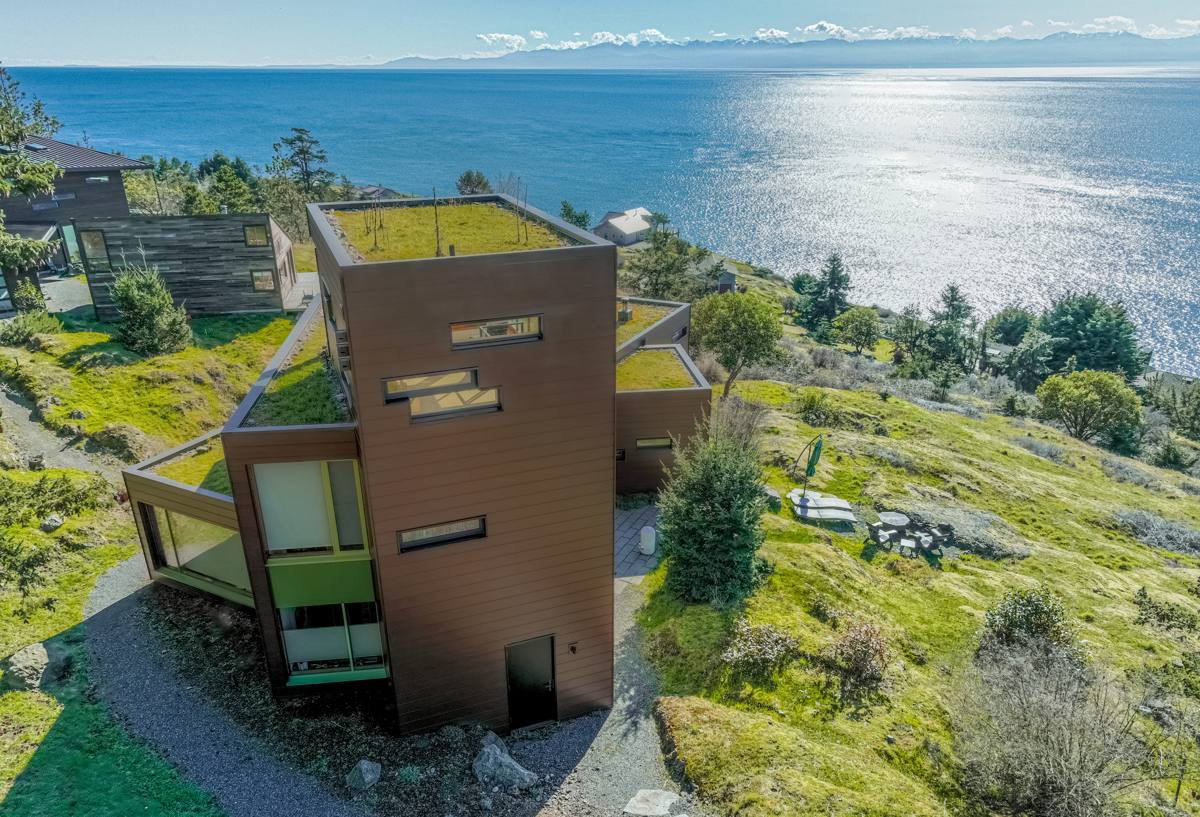
Belleair Beach sits right up against the Gulf, and that location shapes everything about how siding should be chosen and installed there. Homes here take on salt-laden air nearly every day of the year, get hit with sustained hurricane-force winds during tropical systems, absorb some of the most intense year-round UV exposure in the continental United States, and regularly face wind-driven rain that pushes water sideways into wall assemblies rather than letting it fall straight down. Any one of those conditions alone would be a reasonable design challenge. Together, they make Belleair Beach one of the toughest testing grounds for exterior cladding in Pinellas County.
That combination is why we treat siding installation in this neighborhood differently than we would a few miles inland. The material has to be right, and the installation details have to account for wind uplift, moisture intrusion, and long-term UV and salt exposure — not just look good on the day the job wraps up.
What Coastal Exposure Actually Does to Siding Over Time
Salt Air and Material Breakdown
Airborne salt settles on every exterior surface near the water, including siding, trim, and fasteners. Over years, it accelerates corrosion in metal components and degrades materials that were never engineered to resist a marine environment. Siding that isn't formulated or fastened with coastal exposure in mind tends to show its age faster near the beach than it would a few miles east.
Wind-Driven Rain and Moisture Intrusion
During tropical storms and hurricanes, rain in Belleair Beach doesn't just fall — it's driven horizontally by sustained wind, forcing water into seams, laps, and penetrations that would stay dry in an ordinary rainstorm. Siding systems and flashing details that aren't built for that kind of pressure allow moisture behind the cladding, where it can sit against sheathing and framing.
UV Degradation
Florida's UV load is intense nearly all year, and it's stronger still this close to open water with less shade cover and more reflected sunlight off the Gulf. Paint films chalk, fade, and break down faster under that kind of sun exposure, and materials with weaker UV resistance can become brittle over time.
Wind Uplift
Coastal wind zones require siding that stays attached under sustained high winds and wind-borne debris, not just standard fastening. Installation that doesn't account for local wind loads is one of the most common reasons siding fails during a storm — not because the material itself was bad, but because it wasn't put on to withstand what this location actually sees.
Why We Install Only James Hardie Fiber Cement Siding Here
We made a decision as a company to install James Hardie fiber cement siding exclusively, and we don't install vinyl, LP SmartSide, Cemplank, Allura, primed spruce, or cedar. That's not a marketing position — it's a standard we hold ourselves to because of what we've seen coastal properties need to hold up over time.
Non-Combustible, Engineered Composition
James Hardie siding is fiber cement — a mix of cement, sand, and cellulose fibers, not wood or vinyl. It doesn't warp, rot, or attract termites the way wood-based siding can, and it's non-combustible, which matters to insurers and homeowners alike.
Climate-Engineered HZ Product Lines
James Hardie manufactures different HZ (HardieZone) formulations engineered for specific climate exposures, including humid, high-moisture, coastal-influenced regions like ours. That's a meaningful distinction from a one-size-fits-all siding product, because a formulation built for a dry inland climate doesn't perform the same way a few blocks from saltwater.
ColorPlus Factory Finish
Rather than relying on field-applied paint that has to fight UV and salt exposure from day one, Hardie's ColorPlus finish is baked on in a controlled factory process, which gives it stronger fade and moisture resistance than most site-applied paint jobs — and it comes backed by its own finish warranty separate from the product warranty.
A Warranty Structure Built for the Long Term
James Hardie backs its siding with a substantial transferable limited warranty on the product itself and a separate warranty on the ColorPlus finish. Warranty terms and transferability rules matter more on a coastal property that's going to see more weather stress over its life — and they matter to future buyers if the home ever sells.
Curb Appeal and Long-Term Resale Value
Beyond performance, siding is one of the first things anyone notices about a home. James Hardie's plank profiles, textures, and factory color palette give Belleair Beach homeowners a wide range of authentic looks, from traditional lap siding to shingle-style accents, without sacrificing the performance this location demands. A well-maintained, correctly installed Hardie exterior also tends to hold its appearance longer than materials that fade or degrade faster in this climate, which matters if you're planning to sell down the road.
What a Correct Siding Installation Involves in Belleair Beach
Choosing the right material is half the job. How it's installed determines whether it actually delivers on that material's potential in this environment.
Substrate and Weather Barrier Prep
Before any siding goes on, the wall assembly underneath matters. That means confirming sound sheathing, correctly lapped and sealed weather-resistant barrier, and properly flashed penetrations — windows, doors, hose bibs, vents — before the first plank is hung. Skipping this step is one of the most common ways siding jobs fail years later, regardless of which product is on the wall.
Fastening for Wind Exposure
Fastener type, spacing, and placement all change based on wind exposure. A coastal property needs a fastening schedule that matches the wind loads it will actually experience, following manufacturer specifications for the applicable exposure zone — not a generic pattern used everywhere else in the county.
Flashing and Trim Details
Every horizontal trim piece, window head, and butt joint is a potential entry point for wind-driven rain. Correct installation means flashing and sealing those details so water is directed out and away from the wall assembly, not trusting caulk alone to do that job over the life of the siding.
Clearances and Drainage
Proper clearance from grade, roof lines, and other surfaces allows siding to drain and dry as intended. Installing it too tight to the ground or another surface traps moisture against the material and undermines its performance no matter how good the product is.
Our Siding Installation Process
- On-site assessment — we inspect your current siding, sheathing condition where accessible, trim, and problem areas specific to your home's exposure to sun, wind, and water.
- Product and color selection — walking through James Hardie's plank profiles, textures, and ColorPlus color options for your home's style.
- Detailed proposal — a clear scope of work covering removal, prep, flashing details, fastening approach, and materials, with no vague line items.
- Prep and installation — old material removal, substrate repair as needed, weather barrier and flashing work, then installation to manufacturer specifications for our wind exposure.
- Final walkthrough — checking trim lines, seams, fastening, and finish quality with you before we consider the job done.
Comparing Siding Options for a Coastal Property
Homeowners researching siding often come across several materials side by side. Here's an honest look at how they generally compare on the factors that matter most this close to the Gulf.
| Factor | Vinyl Siding | Wood/Cedar Siding | James Hardie Fiber Cement |
|---|---|---|---|
| Wind resistance | Can crack or blow off in high wind if not properly rated | Depends heavily on fastening; can loosen over time | Engineered and fastened to documented wind-zone specs |
| Moisture/rot risk | Doesn't rot, but can trap moisture behind it | Prone to rot and moisture damage without diligent upkeep | Fiber cement composition resists rot |
| UV/fade resistance | Can fade and become brittle over time in intense sun | Paint/stain breaks down faster under coastal UV | ColorPlus factory finish engineered for fade resistance |
| Fire resistance | Combustible | Combustible | Non-combustible |
| Typical maintenance | Occasional cleaning; limited repair options | Regular painting/staining and rot inspection | Periodic cleaning and caulk checks; factory finish reduces repainting |
Why Local, Coastal Installation Experience Matters
Belleair Beach isn't a typical inland job site, and a crew that mainly works farther from the water may not default to the wind-zone fastening schedules, flashing details, or product formulations this location calls for unless they're specifically thinking about it. A crew that regularly works this stretch of Pinellas County already has that mindset built into every step, from the proposal to the final fastener.
Permitting and code requirements can also carry additional wind-load and coastal-construction considerations near the water. A contractor familiar with Largo and the surrounding coastal communities is already accustomed to working within those requirements rather than treating them as an afterthought.
Beachfront Exposure Versus Inland Largo
Even within the same general area, a home directly along the coastline in Belleair Beach sees meaningfully more salt exposure and wind loading than a home a few miles inland in Largo. Treating every job the same regardless of exact location is how installations end up under-built for where they actually sit. We factor in how close a home is to open water when planning fastening, flashing, and material recommendations, rather than defaulting to a generic approach.
Maintaining Your Siding After Installation
Even the right material, correctly installed, benefits from some basic homeowner attention in a coastal environment. A simple annual routine goes a long way toward protecting your investment:
- Rinse siding periodically with fresh water to reduce salt buildup, especially on sides facing the Gulf.
- Inspect caulking around windows, doors, and trim once a year and after major storms.
- Look for any loose or damaged panels after high-wind events and address them promptly.
- Keep irrigation and sprinklers from spraying directly and repeatedly on siding surfaces.
- Trim back landscaping that traps moisture or debris against the wall.
- Watch for chalking, staining, or caulk failure at trim joints as early signs something needs attention.
None of this replaces a correct initial installation, but it does help any siding system perform closer to its full potential over the years.
Ready for an Honest Look at Your Siding?
If your Belleair Beach home's siding is aging, storm-damaged, or you're simply planning ahead, we're happy to take a look and give you a straightforward assessment of what it actually needs. There's no pressure and no obligation — just a clear picture of your options and what correct installation would involve for your specific home. Use the form below to request a free estimate.