 Largo Window
 Siding Repair Built for Kenneth City's Climate
Kenneth City sits tucked inside Pinellas County, surrounded by Largo, and like the rest of this part of the Gulf Coast, its homes take a beating that homeowners further inland never have to think about. Between the summer humidity, the near-daily UV exposure, tropical storm season, and salt-laden air drifting in off Tampa Bay and the Gulf, exterior siding here ages faster and fails differently than it does in drier, cooler climates. A repair job that ignores that reality is a repair job you'll be paying for again in two or three years.
Siding repair in this neighborhood isn't just about patching a hole or replacing a cracked panel. It's about understanding why that panel cracked in the first place, what's happening behind it, and whether the fix will actually hold up through the next hurricane season. That's the lens we bring to every Kenneth City repair call.
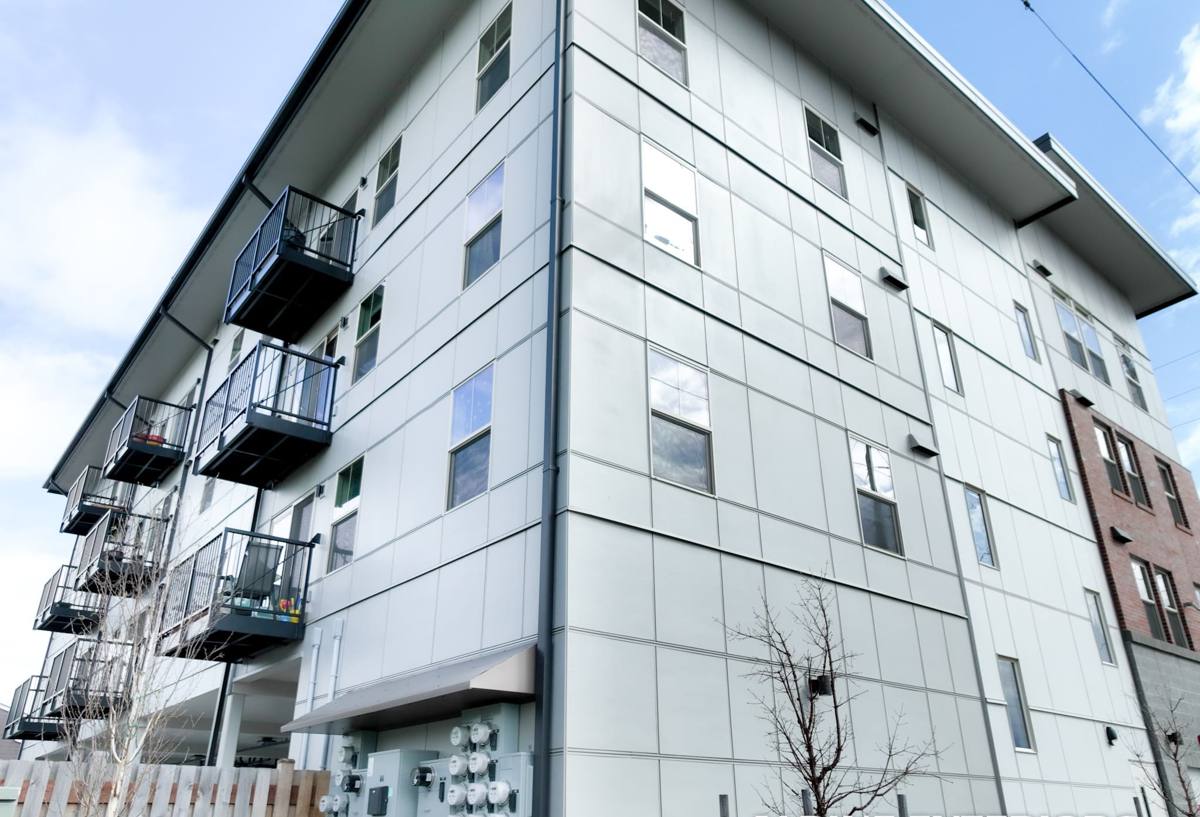
What Local Homes Are Up Against
Kenneth City's housing stock, like much of Largo, includes a mix of ages and siding types — vinyl, wood, stucco, and some older fiber cement. Each reacts differently to the regional climate, but they share common failure points:
- UV breakdown: Year-round sun exposure fades color, dries out caulking and sealants, and makes older vinyl brittle enough to crack from a stray impact.
- Wind-driven rain intrusion: Tropical storms and summer squalls don't just rain straight down here — wind pushes water sideways, under laps and behind trim, where it finds any gap in the siding or flashing.
- Humidity and trapped moisture: Once water gets behind siding, our humidity keeps it from drying out quickly, which is exactly the environment mold, wood rot, and sheathing damage need to take hold.
- Salt air corrosion: Proximity to the Bay means airborne salt accelerates the breakdown of fasteners, metal flashing, and untreated wood trim.
- Wind stress: Even outside a named storm, sustained gusts work siding loose at the nail line over time, which shows up later as rattling panels or ones that have simply blown off.
None of this means Kenneth City homes are doomed to constant repairs — it means the repair has to account for these forces instead of just replacing what's visibly broken and calling it done.
Signs Your Siding Needs Attention
Most siding problems don't announce themselves as emergencies. They show up as small details that are easy to write off until they aren't. Homeowners in Kenneth City should walk their home's exterior a couple of times a year and look for:
- Cracked, warped, or buckled panels — especially on sun-facing walls
- Gaps or separation at seams, corners, or where siding meets trim and windows
- Soft or spongy spots when you press on the siding or the trim beneath it
- Peeling or bubbling paint, which often signals moisture trapped behind the surface
- Dark streaking, mold, or a musty smell near exterior walls or inside closets on exterior walls
- Missing or loose panels after a storm, even if the rest of the wall looks fine
- Visible fastener heads or nail pops, where panels have worked loose over time
Any one of these on its own might be minor. Several together, or moisture-related signs in particular, usually mean there's something happening behind the siding that needs a closer look before it spreads.
Repair or Replace? How We Make the Call
Not every damaged section needs a full re-side, and we're not going to tell you it does. But we're also not going to patch over a problem that's going to reappear six months later. The honest answer depends on a few factors:
| Situation | Usually Repairable | Usually Needs Replacement |
|---|---|---|
| Isolated impact damage (one or two panels) | Yes, if matching material is available | Only if the material is discontinued or badly faded elsewhere |
| Water intrusion caught early, sheathing still sound | Yes, repair and reseal | No |
| Widespread rot or soft sheathing behind multiple panels | No | Yes, full section replacement |
| Fading or chalking across most of the home | Repair won't fix the mismatch | Yes, for a uniform look |
| Original siding is old vinyl or untreated wood nearing end of life | Short-term patch only | Yes, for a lasting fix |
We'll always give you the repair option when it's genuinely the right call. We only recommend replacement when a patch would be a temporary fix on a problem that's already spread.
What a Correct Repair Actually Involves
A siding repair that's done right goes past the visible panel. Our process on a Kenneth City repair typically includes:
1. Diagnosis, Not Just Patching
We remove the damaged section and inspect what's behind it — the house wrap, sheathing, and framing — before deciding on the fix. Covering up hidden rot or moisture with a new panel just delays a bigger repair.
2. Addressing the Water Path
If moisture got in, we find out how — a failed seal, damaged flashing, a gap at a penetration — and fix that entry point, not just the symptom. In a climate with wind-driven rain, this step is what keeps the repair from repeating.
3. Matching or Upgrading the Material
Where the existing siding can be matched in profile, color, and texture, we do that. Where it can't — because the product has faded unevenly, is discontinued, or the client wants a longer-term material for that section — we'll walk you through what we install for replacement work, which is exclusively James Hardie fiber cement siding.
4. Proper Sealing and Fastening
Every seam, corner, and penetration gets sealed to the standard the material calls for, with fasteners set correctly for wind resistance — not just tacked on to close the gap quickly.
5. Cleanup and Final Check
We walk the repair with you before we consider it finished, so you know exactly what was done and why.
Why We Only Replace With James Hardie Fiber Cement
When a repair calls for replacing a full section rather than patching a match, we use James Hardie fiber cement — not vinyl, not LP SmartSide, not primed wood. That's a deliberate standard, not a default. In a climate like Kenneth City's, the material behind a repair matters as much as the workmanship:
- It doesn't warp or buckle in the heat. Fiber cement holds its shape through the intense, sustained UV and heat cycles that stress vinyl and wood.
- It handles moisture without rotting. Unlike wood, it won't soften or decay if it takes on water — a real advantage given our humidity and storm exposure.
- The ColorPlus factory finish resists fading far longer than field-applied paint, which matters when a repaired section needs to blend in for years, not months.
- It's engineered for climates like ours. James Hardie's HZ5 product line is formulated specifically for high-humidity, storm-exposed regions like the Gulf Coast.
- It carries a strong, transferable warranty — worth something when you're investing in a repair meant to actually last.
We won't pretend every homeowner needs a full re-side when a smaller fix will do. But when replacement is genuinely the right call, we stand behind one material, because we've seen what holds up in this climate and what doesn't.
Our Process for Kenneth City Repair Calls
- Inspection: We look at the damaged area and check adjacent panels, trim, and flashing for related issues before quoting anything.
- Honest estimate: You get a clear breakdown of what's repairable, what needs replacing, and why — no upsell padding.
- Scheduling around weather: We work around Florida's storm patterns so repairs aren't started right before a system that could undo the work.
- The repair itself: Done to the standard above — diagnose, fix the water path, match or upgrade material, seal and fasten correctly.
- Walkthrough: We show you the finished work and explain what to keep an eye on going forward.
Why It Matters to Hire a Crew That Knows This Area
Siding repair isn't one-size-fits-all, and a crew that mostly works inland climates can miss the details that matter here. A contractor familiar with Kenneth City and the greater Largo area already knows:
- Which wall orientations take the worst UV and wind exposure in this specific pocket of Pinellas County
- How salt air affects fastener and flashing choices near the Bay
- What local wind-load and code requirements apply to siding attachment in a hurricane-exposed zone
- How to schedule and sequence repairs around Florida's wet season without leaving a home exposed
That local familiarity is the difference between a repair that's cosmetic and one that's actually built to hold through the next storm season.
Get an Honest Look at Your Siding
If you're seeing cracked panels, gaps, soft spots, or storm damage on your Kenneth City home, it's worth having someone take a real look before small damage turns into a bigger repair. We'll give you a straightforward, no-pressure estimate — including telling you when a repair is genuinely all you need. Use the form below to request a free estimate.