 Largo Window
 Why Siding Repair in Pinellas Park Demands a Different Standard
Pinellas Park sits close enough to the Gulf that salt-laden air reaches every exterior wall in the neighborhood, and it sits in the same hurricane corridor as the rest of Pinellas County, meaning wind-driven rain and the occasional hurricane-force gust are simply part of the maintenance equation here. Add Florida's relentless, near year-round UV exposure, and siding in this area ages on a faster clock than it would almost anywhere else in the country.
That combination matters when something goes wrong. A repair that would hold up fine in a milder, drier climate can fail within a season here if it's done with the wrong material, the wrong fasteners, or without understanding how sun and moisture actually move through a wall assembly in this part of Florida. Siding repair in Pinellas Park isn't just about patching what's visible — it's about figuring out why that section failed in the first place, and making sure the fix survives the next few storm seasons instead of becoming a repeat call.
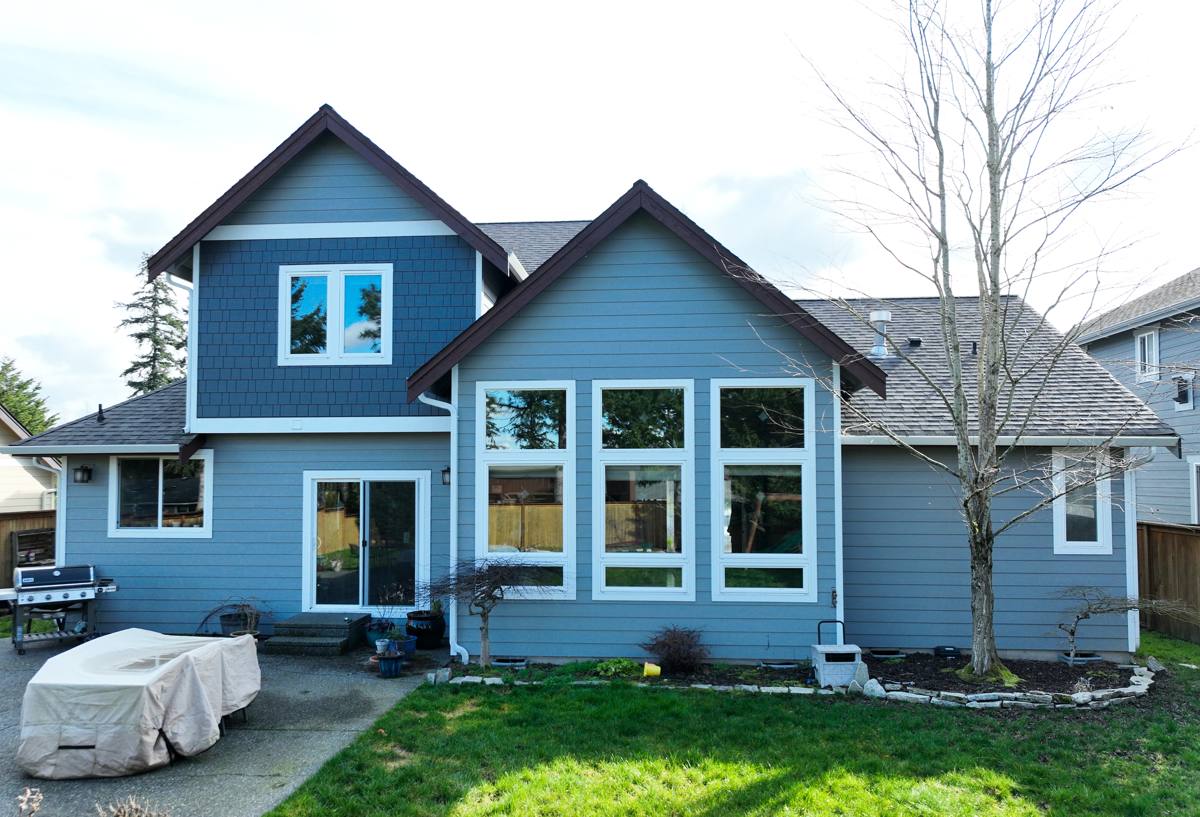
What Actually Damages Siding in This Climate
UV and Heat Cycling
Direct Florida sun breaks down caulk, sealants, and lower-grade siding finishes faster than manufacturers' national warranty language usually accounts for. Constant heating and cooling also causes siding materials to expand and contract daily, which loosens fasteners and opens joints over years of cycling.
Wind-Driven Rain
It's rarely straight-down rain that causes rot and water intrusion — it's rain pushed sideways and upward by wind, forced behind laps, trim, and corner boards that weren't sealed or flashed correctly the first time. Once water gets behind siding, the damage is often worse than what's visible on the surface.
Salt Air
Salt in the air corrodes exposed fasteners, staples, and metal trim components over time, which is a big part of why so many older repairs on Pinellas Park homes show rust streaking or fastener pop-through years before the siding field itself looks worn.
Hurricane-Force Wind Events
Even homes that never take a direct hurricane hit see repeated exposure to tropical-storm-force gusts. Wind gets under loose or improperly fastened panels, peels caulk joints, and drives debris into siding surfaces, and each event compounds whatever weakness was already there.
Common Siding Problems We Find on Pinellas Park Homes
The specific failure pattern usually depends on what's on the wall. Here's what we see most often on repair calls in this area:
- Vinyl siding: warping and buckling from heat, cracked panels from wind uplift, and faded or chalky color on the sun-facing elevations
- Wood or wood-composite siding: soft spots, swelling, and rot at butt joints, bottom edges, and anywhere water has been sitting against the material
- Older fiber cement: hairline cracking at fastener points, caulk failure at joints, and paint peeling where the factory finish has worn through
- Trim and corner boards: gaps opening up as caulk dries out in the sun, allowing water behind the siding field even when the siding itself looks fine
- Fastener issues: rusted, popped, or backed-out nails and screws, often the first visible sign that a section was under-fastened for this climate to begin with
Repair or Replace? How We Make That Call
Not every siding problem needs a full section replacement, and not every visible crack or gap can be responsibly patched. We walk every repair call through the same honest evaluation before recommending anything:
| Factor | Usually a Repair | Usually a Replacement |
|---|---|---|
| Extent of damage | Isolated to one or two panels/sections | Spread across multiple elevations |
| Water intrusion | Surface-level, no soft sheathing underneath | Rot has reached the sheathing or framing |
| Age of existing siding | Still within its useful service life | Near or past the material's realistic lifespan |
| Material match availability | Matching material or acceptable substitute exists | Discontinued profile, color, or product line |
| Underlying cause | One-time event (impact, isolated flashing failure) | Systemic issue (chronic moisture path, poor original install) |
When a repair is the right call, we do it right and stop there — we're not in the business of upselling a full re-side to a homeowner who just needs a section fixed. When the damage points to a bigger underlying problem, we say so plainly and explain why.
What a Correct Repair Actually Involves
A siding repair that actually solves the problem, rather than just covering it up, follows a consistent process:
- Diagnose before touching anything. We look past the visible damage to find the cause — a failed flashing detail, a chronic moisture path, wind uplift from under-fastening, or simple material fatigue.
- Check the sheathing. Any time there's been water intrusion, we confirm the wall sheathing underneath is sound before closing anything back up. Patching over wet or soft sheathing just hides a bigger problem.
- Match or replace correctly. Where materials can be matched, we match them. Where they can't be matched responsibly, we say so rather than forcing a mismatched patch that will stand out and weather differently.
- Re-flash and re-seal properly. Every repair gets flashing and sealant details built for wind-driven rain, not just a bead of caulk at the surface.
- Fasten for wind, not just gravity. Given how much wind exposure Pinellas County sees, repaired sections get fastened to hold against uplift, not just hang in place.
Why Material Matching Matters — and Where It Gets Complicated
Every siding material ages differently, and repairs only look and perform right when the material matches. This is where a lot of siding repairs go wrong: a mismatched panel, an incompatible caulk, or a patch in a different product line that expands and contracts at a different rate than what's already on the wall.
We install and repair exclusively with James Hardie fiber cement siding — we don't install vinyl, LP SmartSide, Cemplank, Allura, or primed wood siding on new work. That's a deliberate standard, not a limitation we work around. Fiber cement doesn't warp in heat, doesn't absorb water the way wood-based products can, and holds a factory-applied ColorPlus finish that resists Florida's UV load far better than field-applied paint. When a Pinellas Park home already has an aging or non-Hardie product and needs more than a small patch, we'll tell you honestly what your realistic repair options are — and where a section-by-section replacement in Hardie is the more durable long-term path, we'll explain why rather than just quoting the cheapest fix.
Why a Crew That Already Works in Pinellas Park Matters
Siding repair isn't just a materials question — it's a local-conditions question. A crew that regularly works in Pinellas Park and the surrounding Pinellas County area already knows how far salt air corrosion typically travels inland, how local wind patterns tend to stress specific elevations, and which fastening and flashing details actually hold up through a full Gulf Coast storm season rather than just looking good on installation day. That local track record shows up in the details: the right caulk for this humidity, the right fastener spacing for this wind exposure, and flashing work that accounts for how rain actually hits these homes rather than a generic, textbook approach.
It also means faster, more accurate assessments. A crew that's repaired dozens of homes in this specific area can usually spot the real cause of a siding problem on sight, instead of guessing from a checklist built for a different climate.
Signs You Need a Siding Repair Assessment
Most siding problems are easier and cheaper to fix early. Watch for these signs on your Pinellas Park home:
- Visible cracking, warping, or buckling in any siding panel
- Soft or spongy spots when you press on the siding, especially near the bottom edges
- Gaps opening up at trim, corner boards, or panel joints
- Peeling paint or a chalky, faded surface concentrated on sun-facing walls
- Rust streaking around fasteners or visible nail pop-through
- Any siding damage after a storm, even if it looks minor from the ground
- Musty smells or discoloration on interior walls that back up to exterior siding
If any of these sound familiar, it's worth getting a professional assessment before the next wind or rain event makes the problem worse.
Get an Honest Assessment for Your Pinellas Park Home
If your siding has storm damage, sun damage, or just doesn't look right anymore, we're happy to take a look and give you a straight answer about what it actually needs — repair, partial replacement, or something else. Request a free, no-pressure estimate using the form below and we'll walk you through your options.