 Largo Window
 Treasure Island sits on a narrow barrier island between the Gulf of Mexico and Boca Ciega Bay, which means every home here takes a different kind of beating than a house a few miles inland in Largo or elsewhere in Pinellas County. Salt air, near-constant wind, intense sun, and wind-driven rain don't take a season off, and siding is one of the first things on a house to show it. A repair here isn't just patching a crack — it's putting the right material back correctly, in a way that holds up to the next storm season instead of just the next inspection.
Why Treasure Island's Climate Is Hard on Siding
Being surrounded by water on both sides means Treasure Island homes get salt-laden air pushed onto them almost constantly, not just during storms. That salt settles on siding, trim, and fasteners, and it accelerates corrosion and finish breakdown faster than it would on a home set back from the coast. Add in Pinellas County's intense, near year-round UV exposure, which dries out caulk and breaks down lower-grade finishes, and wind-driven rain that gets forced sideways into laps, seams, and trim joints during storms, and you have a climate that stresses every seam and fastener on a house. Hurricane-force wind gusts — even from storms that never make a direct landfall here — flex siding panels and work fasteners loose over time, which is often the real cause behind damage that looks minor from the ground.
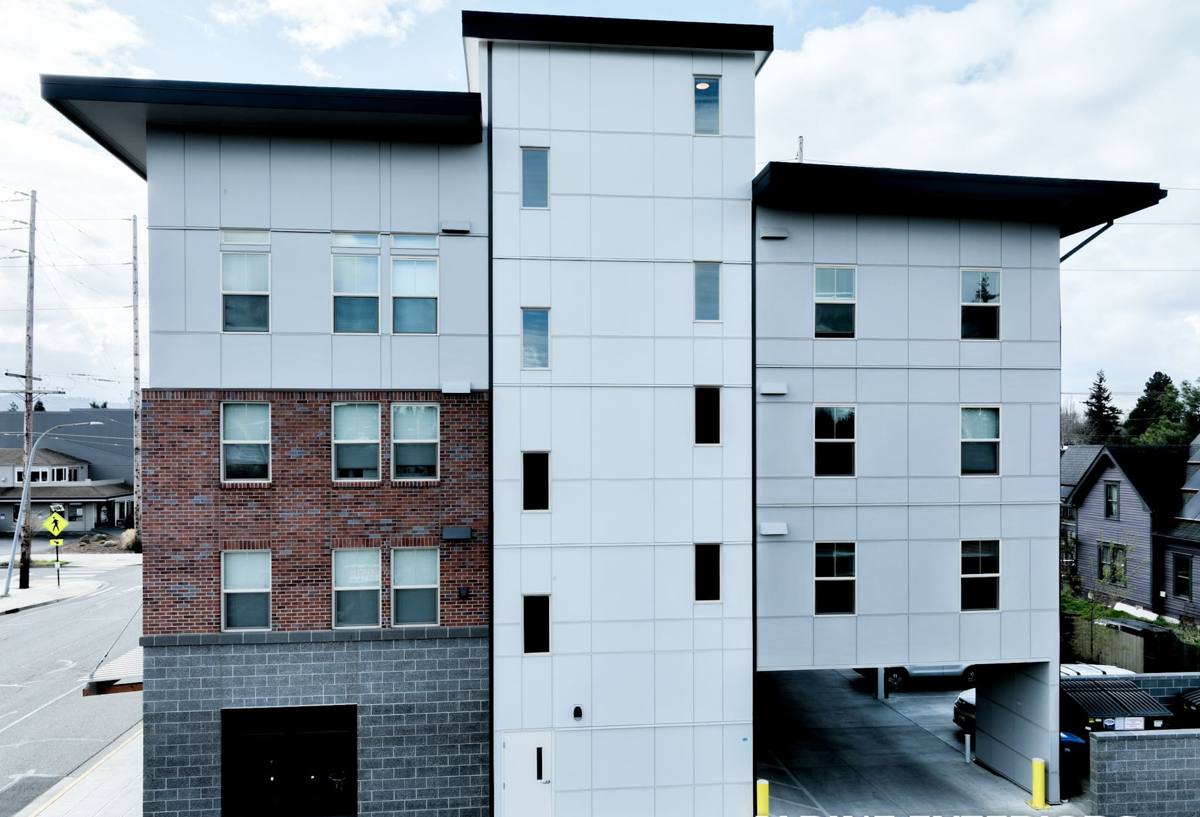
Signs Your Siding Needs Repair
Some siding problems are obvious after a storm. Others build slowly over a few seasons of sun and salt exposure and get written off as cosmetic until they aren't. Worth checking for:
- Cracked, split, or buckled boards, especially near corners and window trim
- Soft or spongy spots when you press on the siding, which usually means moisture behind it
- Gaps opening up at butt joints or seams that used to sit tight
- Caulk that's cracked, shrunk, or pulled away from trim and joints
- Streaking, staining, or dark patches, particularly on north-facing or shaded walls
- Panels that look slightly warped or bowed, especially on south- or west-facing exposures
- Loose or missing fasteners, or nail heads that have started to back out
- Mold or mildew concentrated at joints and low on the wall
Any one of these on its own might be minor. Several showing up in the same area, or damage that keeps coming back in the same spot after previous patch jobs, usually points to a moisture or fastening problem underneath rather than a surface issue.
What a Correct Siding Repair Actually Involves
Diagnosing the Cause, Not Just the Symptom
The most common mistake in siding repair — anywhere, but especially in a barrier island climate — is treating the visible damage as the whole problem. A cracked board or an open seam is often the result of water that's already gotten behind the siding and has been sitting against the house wrap or sheathing. Repairing the visible board without checking what's behind it just closes the damage back up over a problem that's still there. A correct repair starts with pulling the damaged material and actually looking at what's underneath — the house wrap, the sheathing, the flashing at that section — before deciding what needs to be replaced.
Repairing to Match, Not Just Patch
Once the cause is addressed, the repair itself needs to match the existing siding's profile, thickness, and reveal so it doesn't stand out or create a new water path. That means sourcing the right product, cutting and fastening it to the same spec as the surrounding siding, flashing any penetrations or joints properly, and finishing the repair — caulk, paint match, or factory finish — so it performs the same as the rest of the wall, not just looks the same from the street.
Common Problems We See on Treasure Island Homes
A few patterns show up consistently on this stretch of coast. Salt corrosion tends to hit fasteners and trim first, especially on the Gulf-facing side of a home, loosening boards well before the siding material itself looks worn. Wind-driven rain finds its way in at inside corners, around window and door trim, and at any point where flashing was installed short-cut or has started to fail — these spots often look fine until you check what's happening behind them. South- and west-facing walls take the hardest UV load, which dries out caulk and can leave lower-grade siding brittle or faded well ahead of the rest of the house. And after any significant wind event, it's common to find panels near roof lines, gable ends, or corners that have been lifted or loosened even when the rest of the wall looks untouched — those are the spots that fail completely in the next storm if they're not caught early.
Why We Repair (and Replace) With James Hardie Fiber Cement Only
We install and repair with James Hardie fiber cement exclusively — we don't patch a Hardie wall with vinyl, don't repair a home's siding with LP SmartSide or a similar wood-based product, and don't mix materials to save a step. Part of that is practical: a patch made from a different material than the rest of the wall moves, weathers, and holds paint differently, which usually means it fails again, often sooner than the surrounding siding did. Part of it is climate-specific. Fiber cement doesn't absorb water and swell the way wood-based siding products can, it's non-combustible, and it holds up to UV exposure without the finish breaking down as fast as lower-grade materials often do. James Hardie also builds climate-specific product lines — HZ5, engineered for regions like ours with heavy humidity and storm exposure — which matters more on a barrier island than almost anywhere else in the county. When we repair a section of Hardie siding, we're putting back a system that was engineered for exactly this kind of exposure, not improvising with whatever happens to be on hand.
Repair or Replace? What We Actually Weigh
Not every damaged section needs a full re-side, and not every repair is worth doing instead of replacing a larger section. Here's how we generally think through it:
| Factor | Repair Usually Makes Sense | Replacement Usually Makes Sense |
|---|---|---|
| Extent of damage | Isolated to one or two sections or walls | Spread across multiple walls or the whole house |
| Moisture behind siding | Localized, sheathing intact once dried and repaired | Widespread rot or saturated sheathing found during inspection |
| Age of existing siding | Siding is mid-life and otherwise in good shape | Siding is near or past its expected service life |
| Material match | Matching profile and finish is available | Discontinued profile or finish that can't be matched cleanly |
| Underlying cause | One-time event — storm impact, isolated fastener failure | Systemic issue — original installation defects, chronic water intrusion |
We'll walk you through which category your home falls into and why, rather than defaulting to the more expensive option or trying to stretch a patch over a problem that's going to come back.
Our Siding Repair Process
- On-site inspection of the damaged area and a check of adjacent sections for related wear
- Removal of affected siding to inspect house wrap, sheathing, and flashing underneath
- Repair or replacement of any compromised sheathing or moisture barrier before new siding goes back on
- Sourcing matching James Hardie profile, reveal, and finish for the repair
- Proper fastening and flashing at all joints and penetrations in the repaired section
- Caulking, priming, and finish work matched to the surrounding siding
- Final walkthrough so you can see exactly what was found and what was done about it
Why Hiring a Crew That Already Works Treasure Island Matters
Barrier island jobs come with logistics that don't apply to a typical inland Pinellas County property — bridge access, tight lots, and homes built close together, all of which affect how a crew stages material and equipment. Wind-load and building code requirements for coastal construction here are also stricter than they are further inland, and a crew that regularly works this island already knows what inspectors are looking for and how to detail a repair so it meets code the first time. Just as important, a contractor who's worked Treasure Island homes before has already seen how salt air and storm exposure specifically affect siding on this stretch of coast, which means less guesswork diagnosing the cause of a problem and fewer surprises once the wall is opened up.
After the Repair: Protecting Your Siding From the Next Storm Season
A good repair holds up longer with a little upkeep. Rinsing accumulated salt spray off siding periodically — especially on Gulf-facing walls — helps slow corrosion at fasteners and trim. Checking caulk at trim and joints once a year and touching it up before it fully fails keeps water from finding a way behind the siding in the first place. And it's worth a quick visual check of your siding before hurricane season each year, looking for anything loose, cracked, or lifting, since catching a small issue in June is a lot less disruptive than dealing with it after a storm in September.
If you're seeing cracked boards, open seams, soft spots, or storm damage on your Treasure Island home, we're happy to take a look and give you a straight answer on what's actually going on and what it'll take to fix it right. Reach out for a free, no-pressure estimate using the form below.