 Largo Window
 Roof Damage on a Barrier Island Is Different
Redington Shores sits directly on the Gulf, and that location shapes everything about how a roof ages and how it fails. Homes here take on wind loads, salt exposure, and driving rain that homes even a few miles inland in Largo or Seminole never see. When a storm rolls through Pinellas County, the roofs closest to the water are almost always hit hardest — and the damage isn't always obvious from the ground.
We work storm damage repairs across the barrier island communities, and Redington Shores comes with its own pattern of problems: lifted shingle tabs on the Gulf-facing slopes, corroded fasteners and flashing from years of salt air, and wind-driven rain that finds its way through openings a typical inland roof would never have to deal with. Repairing a roof out here means understanding that pattern, not just patching what's visible.
What Hurricane and Tropical Storm Winds Do to a Roof
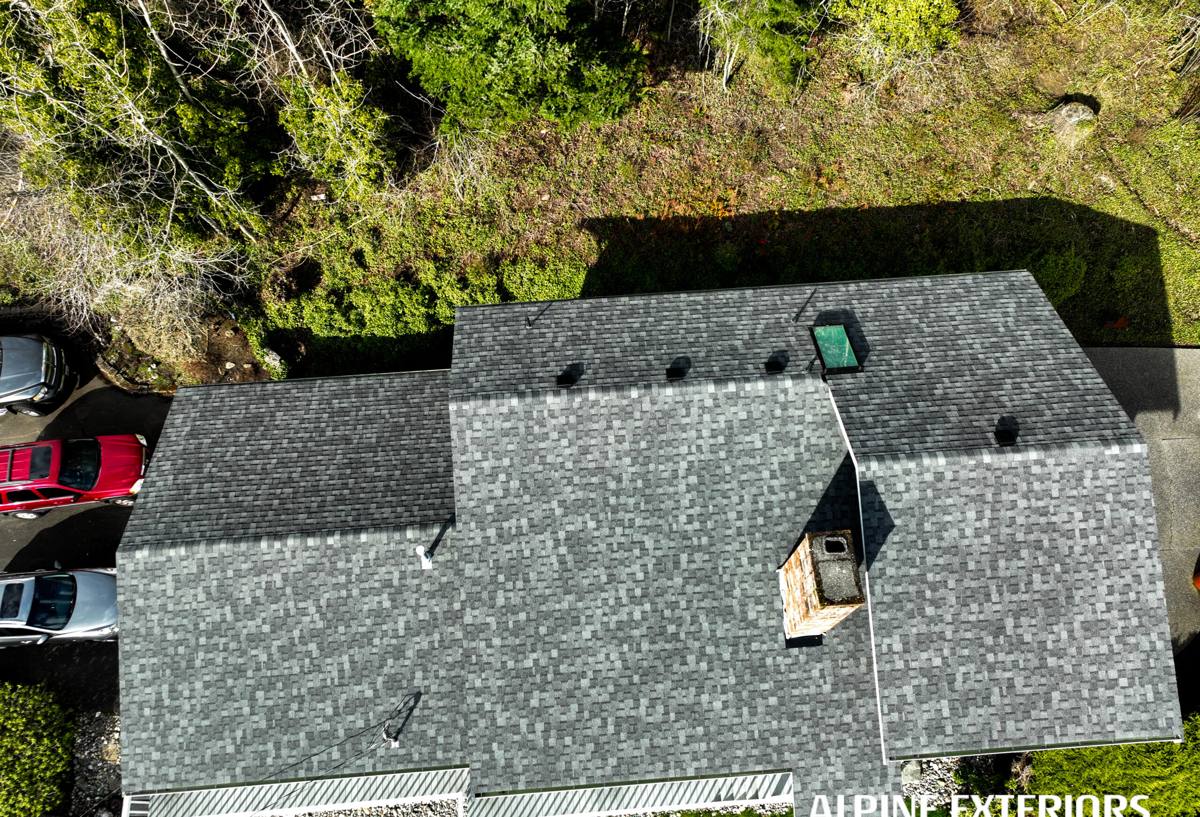
Wind doesn't just tear shingles off in dramatic fashion — most of the damage is quieter than that. Sustained coastal winds create uplift pressure at roof edges, ridges, and corners, which is exactly where shingles, tiles, and flashing are most likely to loosen. Once a single tab or tile lifts, the seal underneath it is broken, and every subsequent rain event pushes water further under the roofing material.
Common wind-related damage we find
- Lifted or missing shingle tabs, especially along ridges, hips, and roof edges
- Cracked or displaced tiles on tile roofs, often with the underlayment beneath left exposed
- Bent, lifted, or torn-loose flashing around chimneys, vents, and roof-to-wall transitions
- Debris punctures from palm fronds, tree limbs, and wind-blown yard items
- Loosened or exposed fasteners along the roof perimeter
None of these have to look dramatic to cause real problems. A handful of lifted tabs on a back slope can quietly let water into the decking for weeks before a stain shows up on a ceiling inside.
Wind-Driven Rain and Water Intrusion
In a normal rainstorm, water runs off a roof the way it's designed to. In wind-driven rain — which is the norm during tropical systems along this stretch of the Gulf coast — water gets pushed sideways and upward, working its way under shingle edges, through nail holes, and around flashing that would otherwise shed water fine. This is why a roof can pass a casual visual check after a storm and still be leaking weeks later once the underlayment finally saturates.
The areas most vulnerable to wind-driven rain intrusion are the same spots every time: valleys, roof-to-wall junctions, chimney flashing, vent boots, and any place two roof planes meet. On homes near the Gulf, these details take a beating year after year, so what might be a minor gap on an inland roof can become an active leak point on a Redington Shores home much faster.
Salt Air and UV: The Slow Damage Between Storms
Storm damage doesn't happen in isolation — it happens to a roof that's already been worn down by conditions between storms. Redington Shores homes sit in a constant environment of salt-laden air and intense, near year-round UV exposure. Salt air accelerates corrosion on metal flashing, drip edge, and fasteners, weakening the very components that are supposed to keep wind and rain out. UV exposure dries out and embrittles shingles and sealants over time, making them more likely to crack or lift when a storm does hit.
This is why two roofs of the same age and material can come through the same storm very differently — one already compromised by salt and sun, the other still holding its seal. Part of an honest storm damage assessment is telling a homeowner which situation they're in, not just patching the obvious hole.
What accelerates roof wear on the barrier island
| Factor | Effect on the Roof | What to Watch For |
|---|---|---|
| Salt air | Corrodes fasteners, flashing, and metal drip edge | Rust streaks, pitted or thinning flashing |
| UV exposure | Dries and embrittles shingles and sealants | Curling tabs, granule loss, cracked caulking |
| Sustained coastal wind | Creates uplift at edges, ridges, and corners | Lifted tabs, loose tiles, exposed nail heads |
| Wind-driven rain | Forces water under seals and flashing | Interior stains, musty attic smell, soft decking |
What a Correct Storm Damage Repair Actually Involves
A proper storm repair isn't just replacing the shingles or tiles that are visibly missing. It starts with finding every point where the roof's water-shedding system was compromised, because a roof only works as a system — flashing, underlayment, fasteners, and roofing material all have to function together.
Our process
- Assessment. We inspect the full roof, not just the damaged section — checking for lifted material, compromised flashing, exposed fasteners, and signs of water intrusion at valleys, penetrations, and wall transitions.
- Interior check. Where there's any indication of a leak, we look at the attic and ceiling from the inside too. Water can travel along decking or framing before it ever shows up under the exact spot where it entered.
- Documentation. We photograph and note the damage clearly, which matters for insurance claims as much as for our own repair plan.
- Repair scope. We repair what needs repairing and replace what needs replacing — matching materials as closely as possible and re-sealing every flashing point we touch, not just the shingles or tiles.
- Final check. Before we call it done, we walk the roof again to confirm every lifted or displaced piece is properly seated and sealed.
Skipping steps — patching only the obvious hole without checking flashing and adjacent material — is how homeowners end up with a second leak six months later in a spot that looked fine after the first repair.
Repair vs. Full Replacement
Not every storm-damaged roof needs a full replacement, and we won't tell a homeowner they do when a targeted repair will hold up. But there's a point where repeated storm damage on an aging roof means repair is just delaying the inevitable and spending money that would be better put toward a new roof.
- Repair usually makes sense when the roof is under 12-15 years old, the damage is localized, and the underlying decking and underlayment are still sound.
- Replacement is usually the smarter call when the roof is already near the end of its expected life, storm damage is spread across multiple sections, or repeated repairs have been needed over the past few years.
- Insurance timing matters. If a roof is damaged enough that replacement is likely covered, getting a clear assessment quickly — before secondary water damage sets in — protects both the claim and the home.
We'll give you a straight answer on which category your roof falls into, with the reasoning behind it, not just a recommendation.
Insurance Documentation Done Right
Storm damage claims move faster and go smoother when the documentation is thorough from the start. We photograph damage before any repair work begins, note the likely cause (wind, wind-driven rain, debris impact), and provide a written scope that an adjuster can actually use. Homeowners who try to piece this together after the fact — or after repairs are already underway — often end up with gaps in the record that slow the claim down or leave part of the damage unaddressed.
We're not a public adjuster and we don't negotiate your claim for you, but we give you the documentation and honest assessment that makes your own conversation with your insurer a lot more straightforward.
Why a Crew That Already Works Redington Shores Matters
Roofing crews that mostly work inland don't see barrier-island conditions often enough to know what to look for by default. A contractor used to typical Largo or Pinellas Park roofs might check the obvious damage and miss the corroded flashing or salt-weakened fastener that's about to become the next leak. Working this specific stretch of coastline regularly means we already know where these roofs tend to fail first, what materials hold up here and what don't, and how to prioritize repairs so the most vulnerable points get fixed, not just the ones that are easiest to see.
There's also the practical side: barrier island access, HOA or condo association coordination in some communities, and scheduling around tide and weather windows are all things that go smoother with a crew that's done it before in this exact area.
Signs your roof needs a storm damage inspection
- Any visible lifted, cracked, or missing shingles or tiles after a storm
- Granules collecting in gutters or at downspout outlets
- Water stains on ceilings or in the attic, even faint ones
- Visible daylight through the roof deck when viewed from the attic
- Rust streaks below flashing or metal roof components
- Soft or spongy spots when walking the roof
Get an Honest Look Before Small Damage Becomes a Bigger Problem
If your Redington Shores home has been through recent wind or rain and you're not sure whether it needs attention, it's worth getting eyes on it before the next storm finds the weak spot for you. We'll walk the roof, tell you plainly what we find, and lay out what it would take to fix it right — no pressure, no upsell. Reach out for a free estimate using the form below.