 Largo Window
 Roofing on a Barrier Island Is a Different Job
Treasure Island sits right on the Gulf, and that changes what a roof has to survive. A shingle roof three miles inland in Largo deals with heat and the occasional storm. A roof on Treasure Island deals with that same heat plus constant salt-laden air, wind-driven rain that finds every gap in flashing, and the direct exposure that comes with having almost nothing between the house and open water. None of that means asphalt shingles are the wrong choice for the island — they're still one of the most cost-effective, proven roofing systems available in coastal Florida. It means the installation has to be done correctly, with the right materials and attention to the details that matter here, not the shortcuts that get away with it in a milder climate.
This page covers what a Treasure Island asphalt shingle roof actually needs, what a correct installation involves, and how we approach the job differently than a crew that mostly works subdivisions further from the coast.
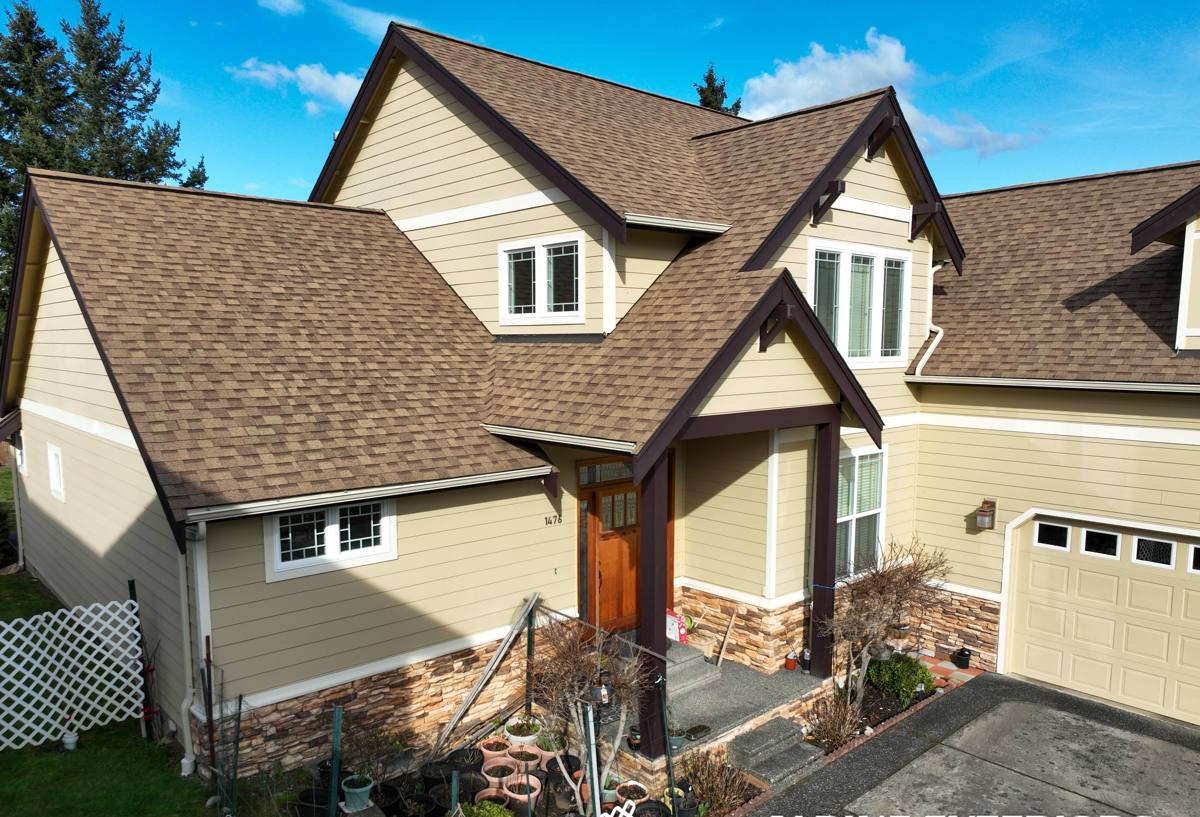
What Pinellas County's Coastal Climate Does to a Roof
Four things drive almost every roofing problem we see on the island:
- Hurricane-force and tropical-storm winds: wind doesn't just tear shingles off — it gets under a weak tab or a poorly sealed edge and works the whole field loose over time, even in storms well below hurricane strength.
- Salt air: airborne salt accelerates corrosion on exposed fasteners, flashing, and drip edge, and it degrades granule adhesion on lower-quality shingles faster than it would inland.
- Intense, near year-round UV: Florida sun bakes asphalt shingles hard and dry well before they'd wear out in a cooler climate, which is a big reason shingle life expectancy on the Gulf coast runs shorter than the manufacturer's rated life.
- Wind-driven rain: storms here rarely come straight down. Rain gets pushed sideways under shingle edges, around vents, and into any flashing detail that wasn't sealed with that in mind.
Individually, a roof can handle any one of these. Combined, and repeated every season, they're why an asphalt shingle roof on Treasure Island needs a higher standard of installation than the same product would need thirty miles inland.
Choosing the Right Shingle for an Island Home
Not every asphalt shingle product is a good fit for direct Gulf exposure. We steer homeowners toward products and specifications that are actually built for coastal wind and UV loads, rather than the lowest-cost option on the shelf.
| Shingle Type | Wind Rating (typical) | Best Fit for Treasure Island |
|---|---|---|
| Standard 3-tab | 60–80 mph | Not recommended for direct coastal exposure — thinner profile, lower wind rating |
| Architectural / laminate | 110–130 mph | Good standard choice — heavier, better sealant strips, wide manufacturer support |
| Impact-resistant (Class 4) | 130+ mph, with impact rating | Best fit for full Gulf exposure — often qualifies for insurance wind mitigation credits |
Wind rating on the package is only part of the picture. How a shingle performs in real Gulf-front wind depends just as much on the nailing pattern, the underlayment system beneath it, and how the edges and penetrations are flashed. A Class 4 shingle installed with the wrong nail placement will fail before a properly installed architectural shingle does.
Color and Granule Considerations
Darker shingle colors absorb more heat, which matters under Florida's UV load — attic temperatures and shingle surface temperatures both run higher, which can shorten service life slightly. That's not a reason to avoid dark colors if that's what fits the home, but it's worth factoring in alongside ventilation, which we cover below.
What a Correct Installation Actually Involves
The shingle itself is the least of what determines whether a roof holds up here. The system underneath it does most of the work.
Underlayment
A synthetic underlayment (or a peel-and-stick self-adhering membrane in vulnerable areas like valleys and eaves) is the roof's real water barrier — the shingles are the first line of defense, but the underlayment is what keeps a home dry if wind-driven rain gets past them. On a coastal home, we don't consider this optional.
Nailing Pattern
Florida Building Code sets minimum fastening requirements based on the wind speed zone the home sits in, and coastal Pinellas County falls into a higher design wind speed than inland areas. That typically means more nails per shingle, placed correctly in the manufacturer's nailing zone — not high, not low, not overdriven. This single detail is one of the most common places we find shortcuts on re-roofs we're called to inspect.
Flashing and Edge Details
Step flashing at walls, proper drip edge at eaves and rakes, and correctly sealed penetrations (vents, stacks, any roof-mounted equipment) are where wind-driven rain gets in if they're done wrong. Salt air also means we favor corrosion-resistant flashing materials over anything that will pit and fail early this close to the Gulf.
Attic Ventilation
Proper intake and exhaust ventilation keeps attic temperatures down, which protects the underside of the shingles and helps the roof deck last longer. It also matters for moisture control — a poorly ventilated attic traps humidity, which in this climate contributes to deck rot and mold long before the shingles themselves fail.
Our Installation Process
- On-site inspection and estimate — we look at the existing roof, deck condition, ventilation, and any problem areas before quoting anything.
- Tear-off and deck inspection — old roofing comes off completely so we can check the deck for soft spots, rot, or prior water damage that needs to be addressed before new material goes down.
- Deck repair as needed — any damaged sheathing gets replaced, not covered over.
- Underlayment and flashing installation — synthetic or self-adhering membrane, new drip edge, and flashing at all walls and penetrations.
- Shingle installation — installed to manufacturer specification and Florida Building Code fastening requirements for the wind zone.
- Ventilation check — intake and exhaust confirmed adequate for the attic space, with upgrades recommended if the existing setup is undersized.
- Final walkthrough — we go over the finished roof and the paperwork you'll want for insurance and warranty purposes.
Insurance, Wind Mitigation, and Permits
A new roof on a Treasure Island home is also a chance to improve your insurance position. Florida insurers offer wind mitigation credits for verified features like impact-rated shingles, secondary water barriers, and proper roof-to-wall connections — a wind mitigation inspection after the reroof can document those and lower your premium. We also handle the permitting that Pinellas County and the City of Treasure Island require for a reroof, and we build the job to pass the required inspections rather than treating the permit as paperwork to get around.
Signs Your Roof Needs Attention
On the island, roofs often show wear before they show an obvious leak. Worth checking after any named storm or heavy wind event, and periodically otherwise:
- Missing, cracked, curling, or lifted shingles, especially near edges and corners where wind stress concentrates
- Granules collecting in gutters or at downspouts — a sign of accelerating UV wear
- Rusted or lifted flashing around vents, chimneys, or wall intersections
- Soft spots, sagging, or discoloration on the roof deck visible from the attic
- Daylight visible through the roof deck from inside the attic
- Water stains on interior ceilings, especially after wind-driven rain
- A roof approaching or past 15–20 years old that hasn't had a professional inspection recently
Maintenance That Actually Extends Roof Life
Keeping gutters clear so water doesn't back up under the eaves, trimming back any overhanging vegetation, and having the roof looked at after major storms are the simplest ways to catch small problems before they become deck repairs. None of this replaces a professional inspection, but it reduces how often you need one to be urgent.
Why a Crew That Already Works Treasure Island Matters
Treasure Island is a small barrier island with tight lots, limited staging space, and in many cases HOA or condo association requirements that affect how a roofing job gets scheduled and executed. A crew that already works here knows how to plan material delivery and dumpster placement around narrow streets and limited parking, understands the permitting relationship with the city, and has already seen how salt exposure and wind behave differently a block from the beach versus a block back from it. That local familiarity translates directly into fewer surprises mid-project and a roof that's built for the exposure it will actually face, not a generic specification.
We're a Pinellas County exterior contractor, and Treasure Island is part of our regular service area — this isn't a one-off trip across the bridge for us.
Get a Straight Answer About Your Roof
If you're not sure whether your roof needs a repair, a partial reroof, or a full replacement, we'll give you an honest read on it — not a sales pitch. Reach out for a free, no-pressure estimate using the form below, and we'll walk the roof, explain what we find, and lay out your options in plain terms.