 Largo Window
 Board & Batten on a Barrier Island: A Different Job Than Inland Siding
Treasure Island sits out on the Gulf, separated from the mainland by water on nearly every side, which means every home here takes a harder hit from the elements than a house a few miles inland in Largo. Board and batten siding — vertical panels with raised strips covering the seams — has become a favorite look on the island because it reads as coastal cottage or modern Florida beach house depending on the trim and color choices around it. But the style only holds up if the material underneath it and the installation behind it are built for what this specific location throws at a house year-round.
This page is about that one job: board and batten siding, done right, on Treasure Island homes. Not a general overview of siding styles, not a catalog page — what your home actually needs here, what a correct installation involves, and why the crew doing the work matters as much as the product itself.
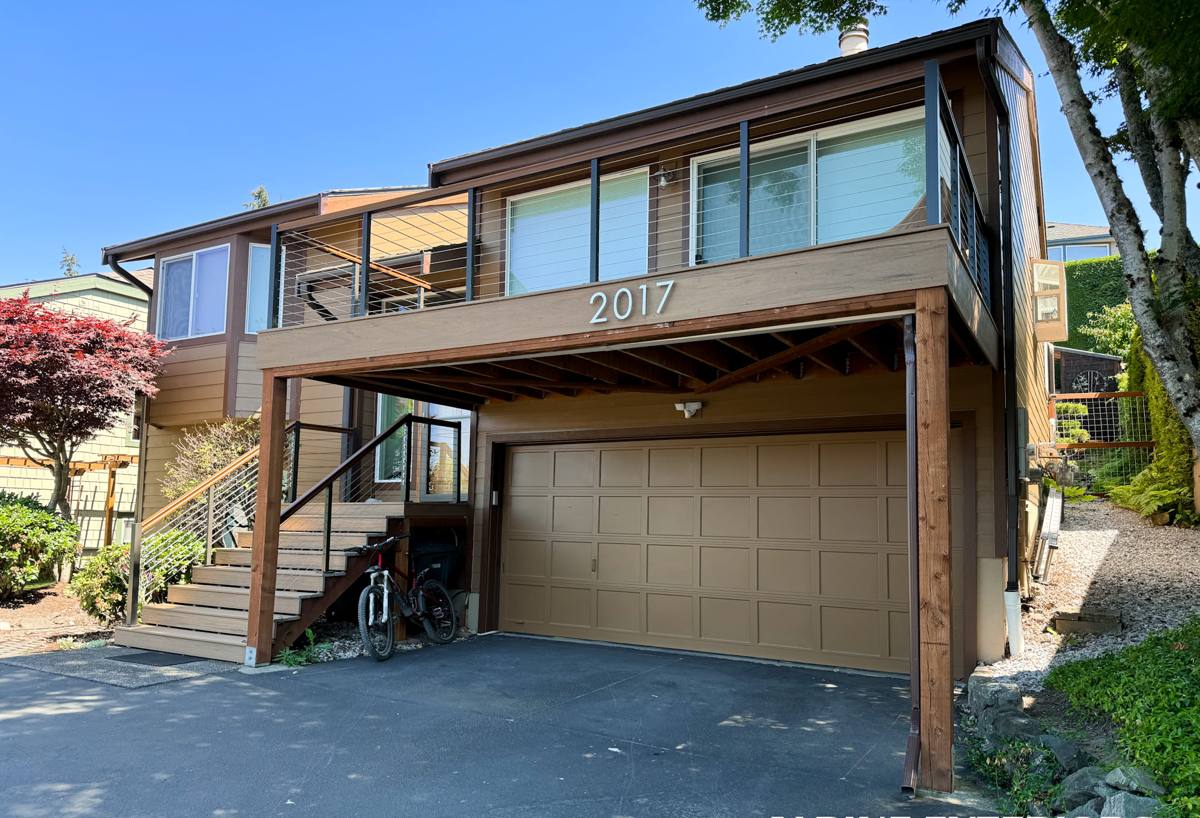
What Barrier-Island Exposure Actually Does to Siding
Every coastal town in Pinellas County deals with sun, humidity, and storms. Treasure Island deals with a concentrated version of all three, because there's open water and salt air on nearly every approach to the property.
Salt Air, Constantly
Airborne salt doesn't wait for a storm to reach your siding — it's in the air on an ordinary breezy afternoon. Over years, salt exposure accelerates corrosion on anything metal (fasteners, flashing, trim screws) and works into porous or poorly sealed siding materials, breaking down finishes faster than the same product would wear inland.
Wind-Driven Rain
On the island, rain rarely falls straight down — Gulf winds push it sideways into walls, especially on west- and south-facing elevations. Board and batten's vertical seams and batten strips are only as water-resistant as the flashing, house wrap, and fastening detail behind them. Get that wrong and wind-driven rain finds its way behind the boards.
Intense, Year-Round UV
Florida sun is strong everywhere, but a barrier island with reflected light off open water and sand gets more direct and reflected UV exposure than a shaded inland lot. UV breaks down paint film, causes fading, and dries out and cracks materials that aren't engineered to resist it.
Hurricane-Force Wind
Being surrounded by water means Treasure Island homes are in the front row when a tropical system moves through Pinellas County. Siding here needs to stay fastened and intact under sustained high wind and wind-borne debris, not just look good on a calm day.
Why We Install Board & Batten in James Hardie Fiber Cement Only
We don't offer board and batten in vinyl, LP SmartSide, primed spruce, or cedar. That's not a marketing position — it's a standard we've settled on after weighing what actually survives this kind of exposure long-term.
Vinyl board and batten looks the part from the street, but vinyl is a plastic product: it softens, warps, and becomes brittle with heat and UV cycling, and it has real limits in sustained high wind. Wood-based options (primed spruce, cedar) can look beautiful, but wood is organic — it absorbs moisture, and in a humid, salt-heavy, wind-driven-rain environment, that means an ongoing maintenance commitment most homeowners don't want to sign up for: recaulking, repainting, and watching for rot at the bottom of every batten. Engineered wood products like LP SmartSide use a treated wood-strand core that resists moisture better than raw wood, but it's still a wood-based product with edge-swell and moisture-intrusion risks if any seam or cut edge isn't sealed and maintained.
James Hardie fiber cement is cement, sand, and cellulose fiber — it doesn't burn, it doesn't rot, and it doesn't warp or soften in heat. For board and batten specifically, we use Hardie's vertical panel siding with true batten strips over the joints, in a formulation engineered for Florida's climate (Hardie's HZ10 product line is built specifically for high-humidity, high-UV, hurricane-prone regions like ours). The factory-applied ColorPlus finish is baked on and warranted against fading and peeling in a way field-applied paint on wood or spruce products isn't, which matters enormously on a lot that gets this much direct sun.
We're not saying vinyl or wood siding can't be installed competently — plenty of contractors do it well. We're saying that for the specific combination of salt air, UV, and wind this island sees, we'd rather stand behind one material system we trust completely than offer several and hope each one holds up.
Board & Batten Material Comparison for Coastal Exposure
| Material | Salt Air Behavior | UV / Sun Behavior | Hurricane Wind Rating | Ongoing Maintenance |
|---|---|---|---|---|
| James Hardie fiber cement (HZ10) | Non-organic, doesn't corrode; fasteners/trim need corrosion-resistant hardware | Factory ColorPlus finish resists fading and cracking | Engineered and tested for high-wind regions | Occasional rinse and repaint cycle far longer than paint-grade wood |
| Vinyl | Doesn't corrode, but can chalk and discolor | Prone to softening, warping, brittleness over time | Lower wind-load tolerance; can crack or blow off in high gusts | Low, but replacement (not repair) is often the only fix once damaged |
| Primed spruce / cedar | Absorbs moisture; salt accelerates finish breakdown | Paint film degrades faster under intense reflected sun | Depends heavily on fastening detail; wood itself can split | High — recaulk, repaint, and inspect for rot regularly |
| LP SmartSide | Treated wood-strand core, better than raw wood but still moisture-sensitive at cut edges | Factory finish helps, but less proven long-term in extreme coastal UV | Reasonable when installed to spec | Moderate — seal and monitor cut edges and seams |
What Correct Board & Batten Installation Involves
The material is only half the job. Board and batten fails early far more often from installation shortcuts than from the panel itself, especially in a wind-driven-rain environment like Treasure Island's. A correct installation includes:
- A properly lapped and sealed weather-resistive barrier behind every panel, with all penetrations and seams taped or flashed — this is the layer that actually stops water that gets past the exterior surface
- Batten spacing and fastening that follows Hardie's engineering specifications, not just what looks even from the ground
- Corrosion-resistant fasteners rated for coastal/marine exposure — standard fasteners will rust and stain or fail well before the siding does in salt air
- Correct flashing at every window, door, and roofline transition, since these are the points where wind-driven rain most often finds a way in
- Proper clearance between the bottom of the siding and grade, decking, or roofing, so the panels aren't sitting in standing water or splash-back
- Butt joints and seams sealed per manufacturer specification, not just caulked over as an afterthought
- Fastening patterns and panel attachment that meet the wind-load requirements for our coastal wind zone, not a generic inland spec
Every one of these steps is invisible once the job is finished — which is exactly why the quality of the crew matters more than the brochure photo of the finished wall.
Our Process for a Treasure Island Board & Batten Project
1. On-Site Assessment
We walk the exterior, check the current siding and substrate condition, note drainage and grade issues around the foundation, and look at sun and wind exposure by elevation — the Gulf-facing side of a Treasure Island home takes a different beating than the side facing inland.
2. Design and Product Selection
We talk through batten spacing, reveal, and color within Hardie's ColorPlus palette, and make sure the look works with the home's existing trim, roofline, and any HOA or community design guidelines that apply on the island.
3. Permitting and Wind-Load Compliance
Homes in Pinellas County's coastal zones, including Treasure Island, fall under wind-load and building code requirements specific to barrier-island construction. We handle the permitting and make sure the fastening schedule and installation meet those requirements — not the minimum standard for an inland job.
4. Installation
Weather barrier, flashing, battens, and panels go on in that order, with inspection points along the way rather than just a final walk-through at the end.
5. Final Walkthrough
We go over the finished siding with you, check seams and trim lines, and answer any questions about care before we consider the job done.
Living With Board & Batten Siding in a Salt-Air Environment
James Hardie fiber cement is low-maintenance, not no-maintenance. A little routine attention keeps it looking right for the long haul on the island:
- Rinse the exterior periodically with a garden hose to clear salt residue, especially on Gulf-facing walls
- Keep sprinklers and irrigation from spraying directly and repeatedly on the siding
- Check caulking at trim, window, and door junctions annually and touch up as needed
- Trim back landscaping so it isn't holding moisture against the bottom of the panels
- After a named storm, do a quick visual check for loose battens, cracked caulk lines, or impact damage
Why Hiring a Crew That Already Works on Treasure Island Matters
A contractor who mostly works inland jobs in Largo or elsewhere in Pinellas County may not think about corrosion-resistant fastener grades, coastal wind-load fastening schedules, or how brutal reflected UV off open water really is on a finish — because they don't run into it every day. Working the island regularly also means we're familiar with the practical logistics: material staging, access, and the permitting process specific to barrier-island jobs. None of that shows up in a sales pitch, but it shows up in how the siding performs five and ten years out.
If you're weighing board and batten siding for a home on Treasure Island, we're glad to walk the exterior with you, talk through what your specific exposure calls for, and give you an honest, no-pressure estimate — no obligation, just a straight look at what the job actually involves. Use the form below to get started.