 Largo Window
 Treasure Island is barrier island living in its purest Pinellas County form — Gulf beach on one side, canals and the Intracoastal on the other, and almost every lot within easy reach of saltwater. That setting is exactly why a deck built here needs a different approach than one going up a few miles inland in Largo. The same sun, wind, and salt air that make Treasure Island a place people want to spend their evenings outside are also the things that will find every weak point in a poorly built deck, usually within a few seasons rather than a few decades. This page covers what a new deck on Treasure Island actually needs to hold up, what a correct build involves, and why hiring a crew that already works this stretch of coastline matters.
Why a Treasure Island Deck Is a Different Job
Three things separate deck building here from a typical inland Pinellas County job. First, the ground itself — much of Treasure Island sits on sandy fill with a high water table, which changes how footings need to be sized and set compared to firmer inland soil. Second, the exposure — this is a barrier island with Gulf frontage on one side and canal or Intracoastal frontage on the other for a large share of properties, so full hurricane-force wind loads and salt-laden air are a daily condition, not an occasional one. Third, the housing stock — a mix of ground-level homes, canal-front lots with seawalls, and elevated houses on pilings, each of which changes what a deck can attach to and how it needs to be framed.
None of that makes a deck a bad investment here — it's routine work for us on this part of the coast. But it does mean the project starts with an honest look at the soil, the elevation, and the exposure, not a generic framing plan pulled off a plan set built for somewhere else.
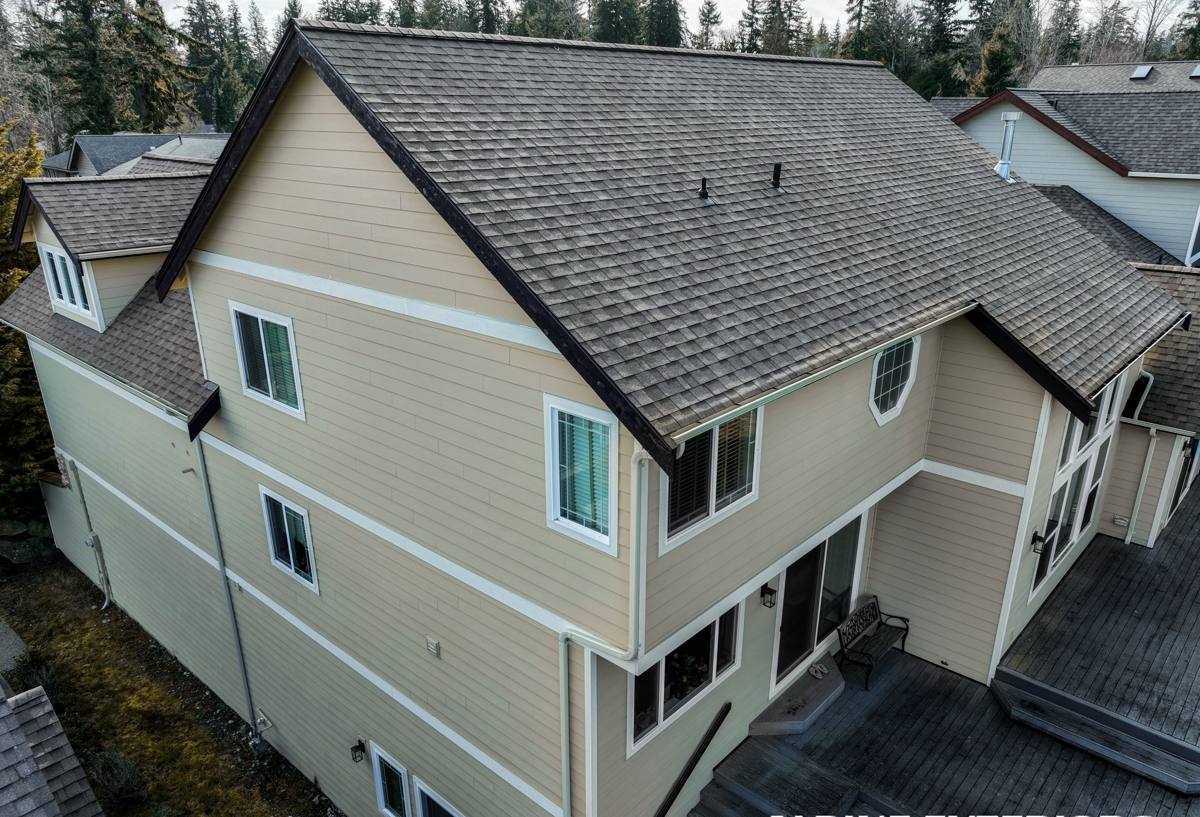
What This Climate Actually Does to a Deck
Hurricane-Force Wind
Wind is the load that decides whether a deck's structure was built to hold up here or just built to look finished on install day. Every connection — the ledger to the house, the joists to the beams, the posts to the footings — has to resist uplift and lateral force from real hurricane-force events, not just the weight of people standing on it. On an open, unshielded barrier island lot, that wind hits with less buffer than a comparable inland property gets from trees and neighboring structures.
Intense, Year-Round UV
Florida's UV load is among the highest in the country, and a deck surface takes it directly for most of the day, most of the year, with little natural shade on an open Gulf or canal lot. On wood, that breaks down surface fibers and finishes faster than in a milder climate, leading to graying, splitting, and checking well ahead of schedule. On composite and PVC, UV drives color fade and, on lower-grade boards, surface degradation over time. It's the single biggest reason a deck built with the wrong material or finish looks tired within a couple of years instead of holding its appearance for a decade or more.
Wind-Driven Rain and Salt Air
Storms here don't just drop rain — wind pushes it sideways and underneath, into framing and connection points that ordinary rainfall never reaches. That makes flashing at the ledger board and drainage underneath the deck a structural detail, not a finishing touch. Salt air works on a slower but equally relentless timeline, settling on metal fasteners, hangers, and railing hardware every day, not just during storms. On a canal or Gulf-facing lot, that corrosion process starts the day the deck goes up and never really stops.
Getting the Structure Right: Footings, Framing, and Attachment
Everything above the framing is cosmetic compared to what happens below and behind it. On sandy, high-water-table lots like much of Treasure Island, footings need to be sized and set to actually reach load-bearing soil and resist movement, not just meet a minimum depth that works fine on firmer inland ground. Ledger board attachment to the house gets extra attention too — proper flashing so wind-driven rain can't work its way behind the connection, and lag bolts or through-bolts sized for real wind uplift rather than a light-duty fastening schedule.
Not every home here gives you a ledger connection to work with. Elevated houses on pilings, homes with certain siding types, or additions where the wall framing isn't rated to carry deck loads often call for a free-standing deck structure instead, supported entirely on its own posts and footings rather than tied into the house. That's a decision we make on-site based on the actual structure, not an assumption made before anyone's looked at the house.
Choosing Decking Material for a Gulf and Canal-Front Lot
Material choice matters more here than in a milder inland climate, because UV, humidity, and salt air all work on the decking surface simultaneously. There's no universally "best" material — the right choice depends on maintenance tolerance, budget, and how the deck will actually be used.
| Factor | What Changes on Treasure Island |
|---|---|
| Wood (pressure-treated or tropical hardwood) | Lowest upfront cost, but sun and salt exposure here shorten the resealing interval compared to an inland deck — skipping it accelerates graying and splitting |
| Capped composite | Resists fading and moisture better than uncapped composite; a solid middle ground on maintenance versus cost for Gulf-adjacent exposure |
| PVC decking | Handles constant moisture and salt air with the least maintenance of the common options, typically at a higher material cost |
| Fastener and hardware grade | Standard-grade hardware corrodes noticeably faster this close to open water; stainless or coastal-rated hardware costs more but isn't optional here |
| Footing and framing condition | Sandy, high-water-table lots can require deeper or differently sized footings, which affects labor and material cost more than the decking itself |
Color matters too, more than most homeowners expect. Darker decking absorbs more heat under direct Gulf sun and can get uncomfortably hot underfoot; lighter tones stay cooler and tend to show less UV fading over time. We'll walk through the honest trade-offs for your specific deck rather than defaulting to one material for every job.
Railings, Hardware, and Code-Required Guardrails
Guardrail height and baluster spacing on an elevated deck are set by building code, not personal preference, and that doesn't change based on the view. What does change here is the hardware standard: stainless steel or coastal-rated fasteners and connectors on every railing post and baluster, since standard-grade hardware visibly corrodes within a few years on a Gulf or canal-facing structure. For homes built to take in the water, aluminum or glass-panel railing systems are a common way to keep sightlines open while still meeting code — worth discussing if the view is part of why you're building the deck in the first place.
Permitting and Flood Zone Considerations Here
Much of Treasure Island falls within FEMA flood zones typical of a Gulf barrier island, and that can affect what's required for a deck's footings and, in some cases, its elevation relative to base flood elevation. Waterfront lots — canal-front or Gulf-front — can also carry setback requirements that a comparable inland Largo lot doesn't. None of this is a reason to expect delays or complications by default, but it is a reason to have someone pull the actual permit and confirm the requirements for your specific address before footings go in the ground, rather than finding out mid-project.
Checklist: What to Confirm Before Your Deck Project Starts
- Ask whether the deck will be ledger-attached or free-standing, and why, based on your home's actual construction
- Confirm footing depth and sizing account for sandy soil and the local water table, not a generic minimum
- Ask what fastener and hardware grade is being used — standard-grade hardware is a red flag this close to the water
- Confirm the flashing plan at the ledger board, if applicable, and how drainage under the deck is handled
- Ask whether your lot's flood zone or waterfront setback affects the footing plan or requires additional permitting review
- Get a written scope covering material, hardware grade, and structural details — not just a total price
Our Deck Building Process, Start to Finish
- Site assessment — we evaluate the soil, water table, wind exposure, and whether the existing house structure can support a ledger connection
- Honest design and material recommendation — sized and detailed for your specific lot, with the reasoning behind material and hardware choices explained plainly
- Permitting — we handle the permit application and confirm any flood zone or setback requirements that apply to your address
- Footings and framing — footings set to actual load-bearing depth, framing connected with corrosion-resistant hardware sized for real wind load
- Decking, railing, and finish work — surface material installed per manufacturer spec, railings set to code, hardware and fasteners rated for salt exposure
- Final walkthrough — we go over the finished deck and what maintenance schedule makes sense for the material you chose in this climate
Why Hiring a Crew That Already Builds on Treasure Island Matters
A framing plan that works fine in an inland Largo backyard can fall short on a barrier island lot, and the gap usually shows up in the details a generic build doesn't account for — footing depth that didn't anticipate the water table, hardware that looked fine on install day but starts rusting within a year, a ledger flashing detail that wasn't built for wind-driven rain coming at it sideways. A crew that hasn't built on this kind of exposure regularly can still turn out a deck that looks right, and still miss the calls that decide whether it's solid after a few real hurricane seasons.
We work this part of Pinellas County regularly, which means we're not guessing at how sandy soil, salt air, and open Gulf or canal exposure actually affect a deck over time. That shows up in the small decisions — footing sizing, hardware grade, flashing details — that aren't visible on the day the deck is finished but end up mattering most a few years down the road.
Ready When You Are
Whether you're planning a new deck for a Gulf-front, canal-front, or inland Treasure Island property, it's worth having someone assess your specific lot, soil, and exposure before pricing out material. We offer free, no-pressure estimates for deck building projects on Treasure Island and throughout the Largo area — use the form below to get a time on the schedule.