 Largo Window
 Windows Built for a Barrier Island Address
Madeira Beach sits about as close to the Gulf as a Pinellas County home can get, and that location changes what a window has to do every single day. Homes just a few miles inland can get away with a lighter-duty window and a longer replacement cycle. Homes near the beach can't. Salt-laden air, direct sun exposure with almost no shade cover, wind-driven rain during summer storms, and the real possibility of hurricane-force gusts all load onto the same piece of glass and vinyl or aluminum framing. Window installation here isn't just about picking a product — it's about installing the right product correctly, in a way that accounts for how aggressively this specific stretch of coastline wears materials down.
We install windows throughout Largo and the surrounding Pinellas County communities, including barrier island neighborhoods like Madeira Beach. That local, repeat exposure matters: a crew that only occasionally works this close to the water doesn't build the same instinct for where these installations tend to go wrong.
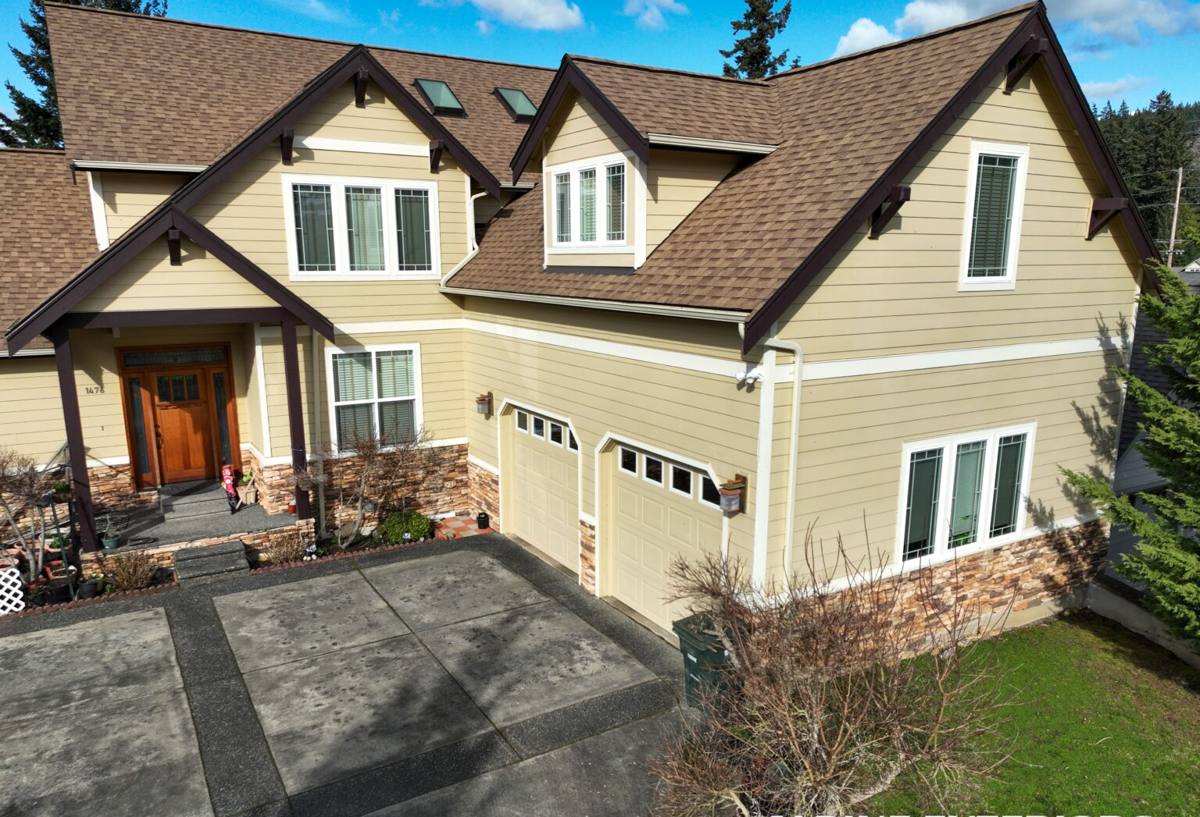
What the Coastal Environment Actually Does to a Window
Salt Air and Corrosion
Airborne salt doesn't just sit on the glass — it settles into hardware, tracks, and any exposed metal fasteners. Over years, that accelerates corrosion on lower-grade hinges, locks, and cranks, and it can degrade certain finishes faster than the manufacturer's inland warranty testing ever accounted for. This is why hardware and frame material selection matter more here than they do a few miles inland.
UV Exposure
Florida sun is intense everywhere, but a beach-facing home often gets long, unbroken exposure with minimal tree or structure shading. Sustained UV breaks down inferior seals, causes vinyl to become brittle prematurely, and fades interior finishes near the glass line if the glass package isn't doing its job.
Wind-Driven Rain
Even outside of named storms, Gulf-front weather regularly pushes rain sideways into a building envelope. A window that's watertight in a calm rainstorm can still leak under wind-driven rain if the flashing and sealant details weren't done correctly at installation. This is one of the most common sources of hidden water damage we get called out to diagnose in older installations.
Hurricane and High-Wind Loads
Pinellas County sits in a high-velocity hurricane zone, and Madeira Beach's exposure means wind loads on windows can be significant even from storms that stay well offshore. Florida Building Code sets minimum impact and pressure requirements for this region, and a correct installation has to meet the specific wind load and impact rating engineered for the home's location — not a generic statewide minimum.
What a Correct Installation Actually Involves
A window installation is only as good as the parts nobody sees once it's done. The window unit itself gets most of the attention, but the surrounding details are what determine whether the installation holds up through years of coastal weather.
- Opening inspection: checking the rough opening for square, level, and any existing rot, moisture damage, or substrate deterioration before the new window ever goes in.
- Correct sizing and fit: too tight and the frame can bind or crack under thermal movement; too loose and you're relying on sealant alone to close the gap.
- Flashing and drainage path: a proper flashing sequence directs any water that gets past the outer seal back out of the wall assembly instead of into it.
- Sealant and backer rod, not sealant alone: sealant applied over an unsupported gap fails faster than sealant backed properly to control joint depth.
- Fastening to structure per the product's engineering: impact and pressure-rated windows are only rated as installed — the fastening schedule and anchor points matter as much as the glass.
- Interior and exterior finish work: trim, caulk lines, and paint-ready surfaces that don't leave gaps for moisture or pests.
- Final operation and seal check: confirming the sash operates smoothly and the unit seals fully before we call the job done.
Skipping or rushing any one of these steps is how a window that looks fine on installation day starts leaking, sticking, or fogging within a couple of storm seasons.
Choosing the Right Window for a Beach-Exposed Home
Frame Material
Vinyl, aluminum, and fiberglass all show up in coastal Florida homes, and each has real trade-offs rather than one clear winner. Vinyl is low-maintenance and doesn't corrode, but frame quality varies widely between manufacturers. Aluminum is strong and holds tight tolerances well for large or impact-rated units, but it needs a good finish to resist salt corrosion long-term. Fiberglass resists both corrosion and UV degradation well but generally costs more upfront. We'll walk through what fits the specific home, budget, and how exposed the elevation is.
Glass Package
For a Gulf-facing or highly exposed home, the glass package is doing a lot of work: blocking UV to protect interior finishes and reduce cooling load, managing heat gain in a climate that runs air conditioning nearly year-round, and — where required by code — meeting impact resistance standards so the glass stays intact under wind-borne debris impact.
Impact-Rated vs. Standard-with-Shutters
Homeowners in this area generally choose between impact-rated windows (glass engineered to resist debris impact and stay in the frame) or standard windows paired with separate hurricane shutters or panels. Impact windows cost more upfront but remove the step of deploying protection before every storm. Shutter systems cost less per window but require action — and available time — before a storm arrives. Both are legitimate approaches; we'll explain what code requires for the specific opening and let the homeowner weigh the trade-off.
| Factor | Impact-Rated Windows | Standard Windows + Shutters |
|---|---|---|
| Upfront cost | Higher per window | Lower per window, plus shutter cost |
| Storm prep effort | None — always protected | Requires deploying shutters/panels before landfall |
| Daily UV/noise reduction | Better, even on calm days | No added benefit until shutters are closed |
| Exterior appearance | Unchanged year-round | Changes when shutters are deployed |
| Code compliance path | Meets impact requirement directly | Meets requirement only with rated shutter system in place |
How We Approach a Madeira Beach Job
On-Site Assessment
We start at the house, not the showroom. We look at each opening's exposure, existing frame condition, and any signs of past water intrusion, then talk through which frame material and glass package make sense for that elevation and budget.
Permitting
Window replacement in this part of Pinellas County generally requires a permit, and impact-rated or code-required products need documentation tying the installed product to its rating. We handle the permitting process so the paperwork matches what actually goes in the wall — that documentation also matters later for insurance and resale.
Installation Day
We protect the work area, remove the old units carefully to avoid unnecessary damage to surrounding finishes, inspect each opening once it's exposed, and install to the sequence described above — opening prep, correct fit, flashing, backed sealant, engineered fastening, and finish work — window by window.
Final Walkthrough
Every window gets operated and checked before we consider the job finished, and we walk the homeowner through what was done and what to watch for.
Maintenance in a Salt-Air Climate
Even a correctly installed, well-chosen window benefits from basic upkeep in this environment. A simple routine goes a long way toward getting the full service life out of the investment:
- Rinse frames and hardware periodically to clear salt buildup, especially on Gulf-facing elevations.
- Check and re-lubricate hardware (locks, cranks, rollers) if it starts to feel stiff or gritty.
- Inspect exterior caulk lines yearly and have any cracking or separation addressed before the next storm season.
- After any major storm, do a visual check for cracked glass, damaged weep holes, or new gaps around the frame.
Why Local Experience Matters for This Job
Window installation is one of those trades where the general process is the same everywhere, but the details that determine long-term performance are local. A crew that regularly works barrier island properties knows which flashing details actually hold up to sustained wind-driven rain, understands the specific wind and impact requirements that apply in this part of Pinellas County, and has already seen how different frame materials age in salt air — not in theory, but on real homes nearby. That experience shows up in fewer callbacks and windows that are still performing well well past the first few storm seasons.
If you're weighing a window replacement or new installation for a Madeira Beach home, we're happy to walk the property, talk through what your specific exposure calls for, and put together a straightforward, no-pressure estimate. There's no cost to have us take a look — just use the form below to get started.