 Largo Window
 Redington Beach Roofs Live a Harder Life
Redington Beach sits on a narrow strip of barrier island in Pinellas County, with the Gulf on one side and the Intracoastal on the other. That location is exactly what makes it a great place to live, and exactly why the roof over your head works harder than a roof twenty miles inland. Salt-laden air moves through here constantly, the sun is direct and nearly year-round, and when a tropical system or strong frontal boundary pushes through, wind-driven rain finds every weak point in a roofing system. An asphalt shingle roof built for this stretch of coastline needs to be installed differently than one going up in a subdivision away from the water.
This page is about one job, done right, for this one area: asphalt shingle roofing for Redington Beach homes. Not a general overview of roofing services — the specific decisions, materials, and installation details that matter for a house exposed to Gulf-front conditions.
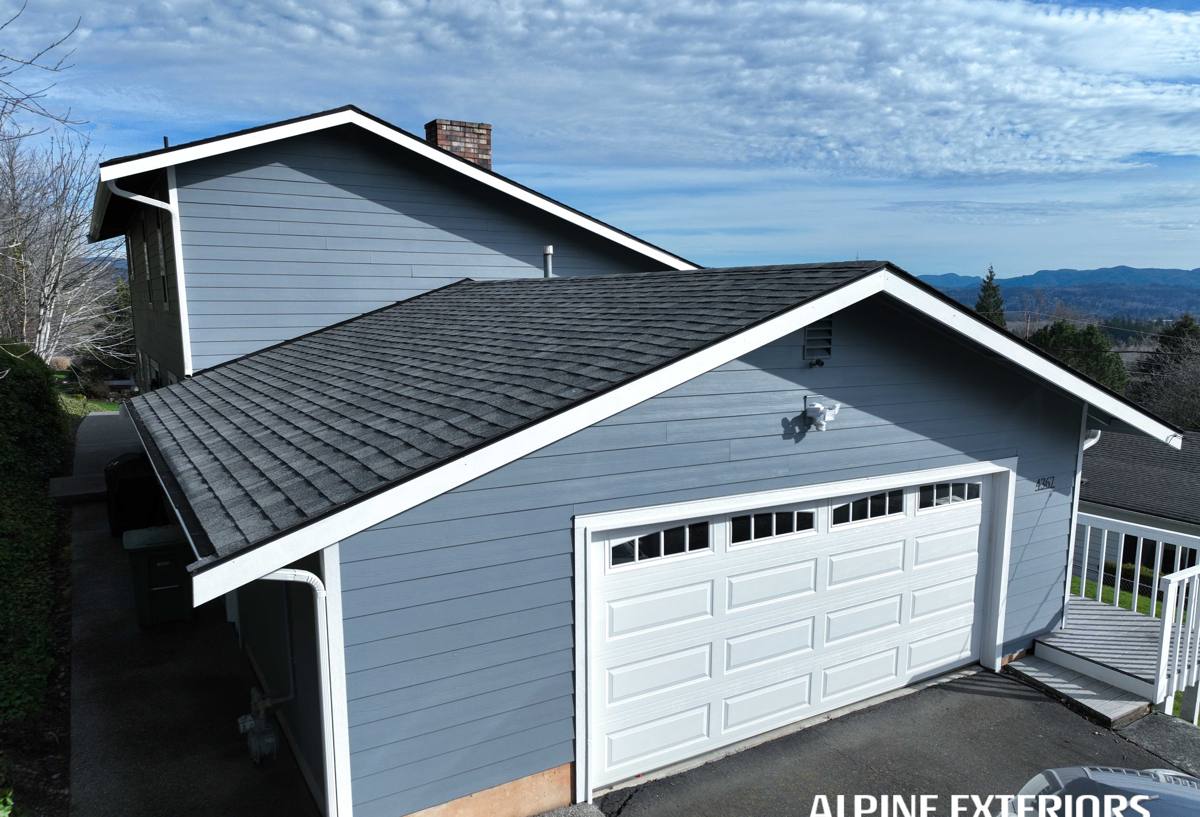
What the Local Climate Actually Does to a Shingle Roof
Wind
Barrier island properties see higher sustained wind loads than homes further inland, both during named storms and in the everyday gusty conditions that come off open water. Shingle roofs fail at the edges first — ridge caps, rakes, and eaves are where wind gets underneath a tab and starts peeling. The fastening pattern and starter strip detailing matter more here than almost anywhere else in the county.
UV exposure
Unobstructed sun exposure near the water accelerates the breakdown of asphalt shingle granules and the oils that keep the mat flexible. Shingles that would hold up for two decades in a shaded, tree-covered yard can show granule loss and brittleness years sooner on an open coastal lot.
Salt air
Salt doesn't just corrode metal railings and hinges — it accelerates the corrosion of exposed fasteners, flashing, and any metal roofing component that isn't rated for a marine environment. A roof spec'd for a standard suburban home often uses hardware that corrodes faster than it should this close to the water.
Wind-driven rain
Rain that comes in nearly sideways during a coastal storm doesn't behave like ordinary rainfall. It gets pushed uphill under shingle tabs and into any gap in flashing or underlayment. A roof that's watertight in a normal downpour can still leak in a wind-driven event if the underlayment and flashing details weren't built for it.
Choosing the Right Shingle System for This Location
Not every asphalt shingle product on the market is a good fit for a Gulf-facing barrier island home. We generally steer Redington Beach homeowners toward higher wind-rated architectural shingles with reinforced nailing zones, paired with a full synthetic underlayment system rather than the lighter felt still used in less exposed areas. The table below outlines how the common tiers compare for this specific setting.
| Shingle Type | Typical Wind Rating | Best Fit For | Trade-Offs |
|---|---|---|---|
| Standard 3-tab | Lower wind rating, lighter mat weight | Inland, less wind-exposed structures | Not our recommendation for open coastal exposure; shorter service life in salt air and UV |
| Architectural (laminated) | Higher wind rating with proper nailing and starter course | Most Redington Beach homes | Higher material cost, but longer service life and better wind performance for the money |
| Premium/designer architectural | Similar to standard architectural, heavier mat | Homeowners wanting a heavier profile look plus durability | Highest upfront cost; benefit is more cosmetic than functional over standard architectural |
Manufacturer wind ratings are tested under specific installation conditions — the rating on the wrapper only holds up if the fastening pattern, starter strip, and nail placement match the manufacturer's requirements exactly. This is one of the most common places we see corners cut on reroofs done by crews that don't work this coastline regularly.
What a Correct Installation Actually Involves
A shingle roof is a system, not a single product. Every layer has to work together for the roof to perform in coastal conditions.
- Deck inspection and repair — any soft, delaminated, or water-damaged decking gets replaced before anything goes back down. Shingles fastened to a compromised deck won't hold, no matter how good the shingle is.
- Underlayment — a full synthetic or self-adhering underlayment system, with extra attention at valleys, eaves, and any low-slope transitions where wind-driven rain tends to collect.
- Ice-and-water or peel-and-stick membrane at vulnerable areas — even though freeze isn't the concern here, the same self-adhering membranes are used at eaves, valleys, and penetrations specifically because of their resistance to wind-driven water intrusion.
- Drip edge and starter strip — properly fastened metal drip edge at eaves and rakes, with a factory starter strip (not cut shingle tabs) to seal the first course against wind uplift.
- Fastening pattern — correct nail count and placement per manufacturer spec for the wind rating you're paying for. This is the single most-skipped detail on rushed reroofs.
- Flashing at every penetration — chimneys, vents, skylights, and wall intersections all get new step and counter-flashing, not caulk over old flashing.
- Ventilation — balanced intake and exhaust ventilation so the attic isn't cooking the underside of the new shingles or trapping moisture.
- Ridge cap — a proper ridge cap system rated for the same wind exposure as the field shingles, since ridges are a common failure point in high wind.
Our Process, Start to Finish
1. On-site inspection and honest assessment
We look at the whole roof system — deck condition, existing ventilation, flashing details, and how the current roof has held up to its coastal exposure — before recommending repair or full replacement.
2. Straightforward estimate
You get a written scope of work and price, including the specific shingle line, underlayment system, and flashing approach we're proposing, so you know exactly what you're buying and why.
3. Permitting
Reroofs in Pinellas County require a permit, and wind-rated installations often need to meet specific code requirements for this exposure category. We handle the permit application and inspections as part of the job.
4. Tear-off and deck check
Old roofing comes off down to the deck so we can actually see what's underneath, rather than roofing over hidden damage.
5. Installation
Underlayment, flashing, and shingles go down in the sequence and fastening pattern the system is rated for — not a shortcut version of it.
6. Final walk-through and cleanup
Job site and yard are cleaned of debris and nails, and we walk the finished roof with you before calling the job complete.
Signs Your Roof Needs Attention Now
Barrier island homes often show wear differently than inland homes — a roof that looks fine from the street can already be compromised underneath. Watch for these signs:
- Granules collecting in gutters or at downspout discharge points
- Shingle tabs that look curled, cupped, or lifted at the edges
- Visible corrosion or rust streaking near flashing, vents, or fasteners
- Soft spots or sagging when walked on the roof deck (professional inspection only)
- Water stains on interior ceilings, especially after wind-driven rain events
- Missing or cracked ridge cap shingles
- A roof approaching or past 15-18 years old that hasn't had a coastal-grade reroof
Maintenance That Actually Extends Roof Life Here
Coastal maintenance is lighter than people expect, but it's not optional. Rinsing accumulated salt residue off the roof surface periodically, keeping gutters clear so water isn't backing up under the eave line, and having flashing and fastener points checked after any significant wind event all add real years to a shingle roof's service life in this environment. We flag these items during any service call, whether or not the visit was for something else.
Why It Matters That We Already Work This Coastline
A shingle roof spec built for a standard subdivision home doesn't automatically hold up on a Gulf-front barrier island lot, and a crew that mostly works inland neighborhoods may not default to the fastening patterns, flashing details, or shingle class this exposure calls for. Working Redington Beach and the surrounding Largo-area coastline regularly means we already know the permitting expectations, the wind exposure category the county applies here, and the failure points that actually show up on these roofs — not the generic ones. That familiarity shows up in fewer surprises during the job and a roof that's built for the conditions it will actually face, not just the conditions most roofs in the county face.
If you're dealing with an aging shingle roof, storm damage, or just want an honest read on how much life is left in what you have, we're glad to take a look. Request a free, no-pressure estimate using the form below and we'll walk the roof with you and lay out your options plainly.