 Largo Window
 Indian Rocks Beach sits on a narrow barrier island between the Gulf of Mexico and the Intracoastal Waterway, which means almost every home here takes weather from two directions at once. That's a different situation than a lot of window installation work further inland in Largo and the rest of Pinellas County. Whether it's an older beach cottage that's been added onto over the years or a newer home built up on pilings, the windows going into an Indian Rocks Beach house have to survive hurricane-force wind events, intense year-round UV, wind-driven rain, and near-constant salt air — often all four working on the same window at the same time. Getting a window installation right here isn't about picking a nicer product off the shelf. It's about installing the right product correctly, with the flashing, anchoring, and code compliance that this specific environment demands.
Why Indian Rocks Beach Puts Extra Demands on a Window Installation
A few things about this particular stretch of coastline change what a window installation has to account for compared to a more sheltered, inland job. Being on a barrier island means there's no buffer between the house and open water in either direction — Gulf-facing homes take direct wind and salt spray off the water, and homes on the Intracoastal side aren't sheltered either, since wind and rain move across the island in both directions during a storm. Lot sizes here also tend to be tight, with homes close together and close to grade or built up on pilings, which changes access and staging for an installation crew compared to a larger inland lot.
The housing stock itself is mixed. Indian Rocks Beach has a real number of older beach cottages that predate current wind and flood codes, sitting next to newer or rebuilt homes that were constructed to current elevation and wind-load requirements. Windows in an older cottage often need to be installed into openings and wall assemblies that weren't built with today's standards in mind, while windows in a newer elevated home need to be installed correctly into modern construction that's already designed around those standards. Both situations call for a crew that knows the difference and doesn't install the same way regardless of what's actually there.
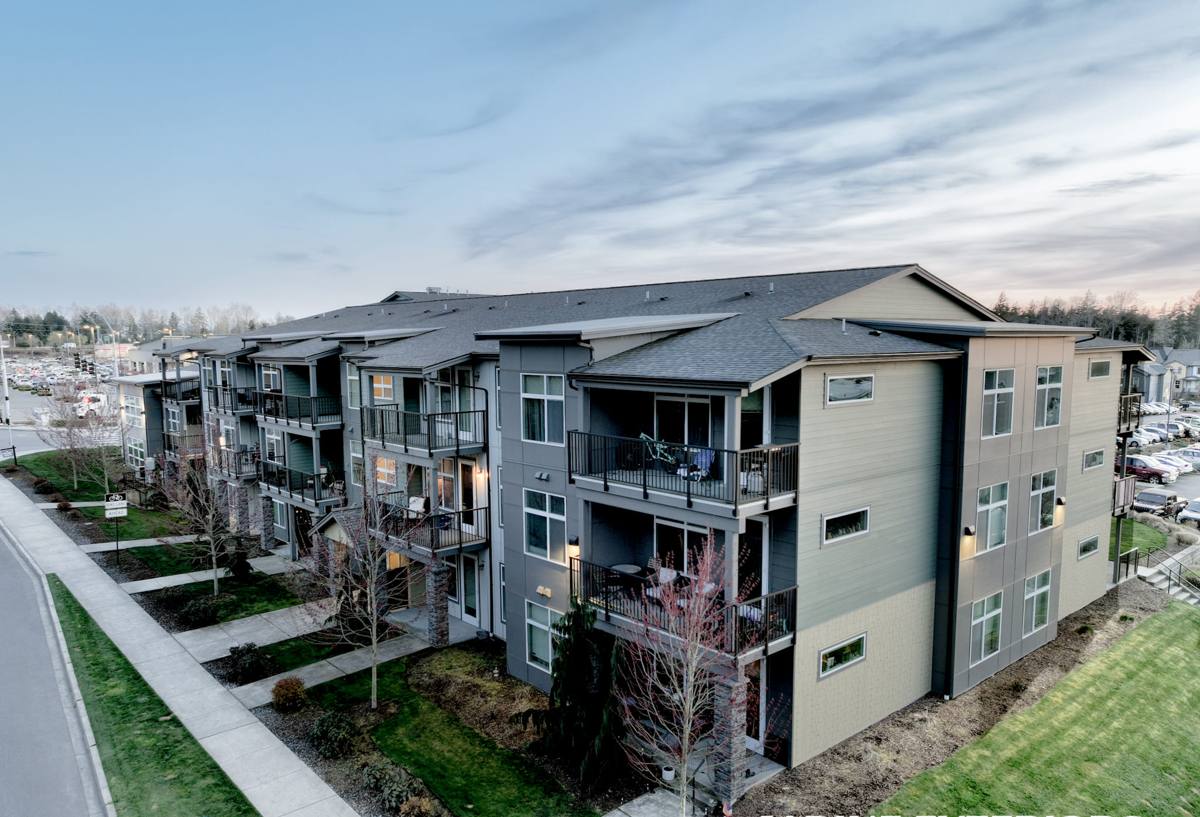
The Climate Factors a Window Installation Has to Answer For
Every window installation in Pinellas County has to deal with the region's weather, but a barrier-island location like Indian Rocks Beach experiences it with less buffering than homes set back from the coast.
Hurricane-Force Wind
Pinellas County falls within Florida's wind-borne debris region under the Florida Building Code, which means most homes here are required to use impact-rated windows or approved shutter protection rated for the wind pressures the property is exposed to. On a barrier island, those wind loads aren't theoretical — Indian Rocks Beach takes the full force of tropical systems moving through the Gulf, and a window that isn't correctly rated and correctly anchored is a real point of failure during a storm, both for the glass itself and for what happens to the house if that opening fails.
Intense, Year-Round UV
Florida sun is strong everywhere in the state, but a home with unobstructed exposure toward the Gulf gets more direct, uninterrupted sun than a shaded or tree-covered inland lot. Over years, that UV load breaks down lower-grade vinyl, weatherstripping, and sealants faster than in less exposed locations, showing up as chalking, brittle gaskets, and seals that fail well before they should.
Wind-Driven Rain
During storms — and during plenty of ordinary summer downpours — wind off the Gulf drives rain sideways into a house rather than letting it fall straight down. That matters more for window installation than most homeowners realize, because a window can be fully rated for wind pressure and still leak if the flashing around it wasn't sequenced to shed water that's coming in horizontally instead of vertically.
Salt Air
Being this close to open water means near-constant salt exposure, which accelerates corrosion on hardware, fasteners, screens, and any frame component that isn't rated for a marine or coastal environment. Salt air is a slower threat than a hurricane, but it works on a window every single day it's installed, and it's often the reason a window installed with the wrong hardware starts failing years ahead of schedule.
What a Correct Window Installation Involves Here
Confirming Code Requirements for the Property
Before anything gets ordered, we confirm what wind-pressure and impact rating the specific property actually requires. That's not a generic number — it depends on the home's elevation, its exposure category, and its distance from the water, and a barrier-island property like this typically sits at the higher end of what the code asks for in Pinellas County.
Correct Rough Opening Prep
Especially in older cottages, the rough opening often needs attention before a new window ever goes in — checking for rot, out-of-square framing, or old flashing that's already failed. Installing a new impact-rated window into a compromised opening doesn't fix the underlying problem; it just hides it behind a better window for a while.
Flashing Sequenced for Wind-Driven Rain
This is where a lot of installations quietly go wrong. Flashing has to be layered so that water moving sideways, not just straight down, gets shed outward and away from the wall assembly. That sequencing — sill pan first, then side flashing, then head flashing lapped correctly over the top — has to be done in the right order and with the right materials, or the window can pass inspection and still leak the first time wind-driven rain tests it.
Anchoring to Meet the Wind Load
An impact-rated window is only as strong as its anchoring. We anchor to the fastener schedule and substrate requirements the specific unit and opening call for, since an underrated window and a correctly rated window installed with inadequate anchoring can fail in similar ways during a real wind event.
Coastal-Grade Hardware and Finish
Screens, hinges, locks, and fasteners all need to be rated for salt air exposure, not just standard-grade hardware that happens to be included with the window. This is a small line-item that has an outsized effect on how a window performs after a few years this close to the Gulf.
Checklist: Signs Your Current Windows Are Falling Behind
- Frames feel chalky, brittle, or show visible sun damage on the exterior side
- Weatherstripping is cracked, shrunken, or no longer seals fully when the window is closed
- You notice water staining, soft drywall, or musty smell near a window frame after storms
- Hardware — locks, hinges, cranks — is corroded, stiff, or difficult to operate
- The window doesn't carry a visible impact rating or approved shutter protection, and you're not sure what's required for your property
- You can feel air movement or hear more outside noise at the window than you used to
Our Installation Process, Start to Finish
- On-site assessment — we look at the actual openings, the home's exposure and elevation, and the condition of the existing framing before recommending anything
- Code and product review — we confirm the wind-pressure and impact rating your property requires and go over which products actually meet it
- Honest proposal — a straightforward recommendation and scope, including any opening repair work needed, explained in plain terms
- Removal and opening prep — old units come out carefully, and any rot, moisture damage, or failed flashing is addressed before anything new goes in
- Installation, flashing, and anchoring — the new window is set, flashed in the correct sequence for wind-driven rain, and anchored to meet the required wind load
- Finish and walkthrough — trim and finish work is completed, and we walk the job with you before calling it done
Frame and Glass Options for This Environment
There isn't one right answer for every home — the right choice depends on exposure, budget, and how the house is built. Here's how the common options actually compare for a barrier-island property.
| Option | Strengths Here | Trade-Offs |
|---|---|---|
| Vinyl, impact-rated | Good UV and moisture resistance, no corrosion concerns, competitive cost | Frame color and finish options are more limited than other materials |
| Fiberglass, impact-rated | Very stable in heat and UV, holds paint well, strong for larger openings | Higher material cost than vinyl |
| Aluminum, impact-rated | Strong, slim sightlines, common in coastal Florida construction | Needs a marine-grade finish to resist corrosion from salt air long-term |
| Laminated impact glass | Meets wind-borne debris code without separate shutters, stays in place year-round | Heavier units, higher upfront cost than glass-plus-shutter systems |
| Standard glass + approved shutters | Lower window cost, shutters only deployed when needed | Requires action before every storm, blocks light and view when closed |
What Actually Drives the Cost
We won't put a number on a project without seeing the openings in person, but the factors that move price are consistent from job to job on the barrier island.
| Factor | Why It Matters |
|---|---|
| Wind and impact rating required | Higher exposure categories closer to the water often call for higher-rated products |
| Opening condition | Rot, old flashing failures, or out-of-square framing in older cottages add repair work before installation |
| Frame material | Vinyl, fiberglass, and aluminum carry different material and installation costs |
| Size and number of units | Larger openings and whole-house projects have different per-unit economics than a single replacement |
| Access and staging | Tight lots, elevated homes, and limited street access can affect labor time |
| Finish and hardware grade | Coastal-rated hardware and finishes cost more than standard-grade options but hold up longer here |
Why Hiring a Crew That Already Works Indian Rocks Beach Matters
Manufacturer installation instructions are written for average conditions, not for a barrier island taking wind and salt from two sides of the same house. A crew that has actually installed windows in Indian Rocks Beach knows which manufacturer guidance is non-negotiable in this environment and where extra time on flashing, anchoring, or hardware selection is worth it even when a less experienced installer might skip it. That local experience also means fewer surprises mid-project — knowing what to expect from an older cottage's framing, what an elevated home's access requires, and what this specific stretch of Pinellas County coastline actually does to a window over time.
That's the difference between a window installation that looks fine on day one and one that's still performing correctly after several hurricane seasons of direct Gulf and Intracoastal exposure. The products matter, but the installation is what determines whether those products actually deliver what they're rated for.
Get a Free, No-Pressure Estimate
If you're dealing with aging windows on an Indian Rocks Beach home, planning ahead of hurricane season, or just want an honest read on what your current windows can and can't handle, it's worth having someone look at the property before you start comparing products on your own. We offer free, no-pressure estimates for window installation in Indian Rocks Beach and throughout the Largo area — use the form below to get a time on the schedule.