 Largo Window
 Board & Batten Siding for Dunedin Homes
Board and batten shows up a lot in Dunedin — on older bungalow and cottage-style homes near the downtown core, on newer builds going for a clean coastal-modern look, and on additions where a homeowner wants the vertical lines to read differently from the rest of the house. It's a good-looking profile, but it's also a more demanding one than most people realize. Every vertical seam where a batten covers the joint between two boards is a place water can try to work its way behind the siding, and Dunedin's location right along St. Joseph Sound and the Gulf means those seams get tested by hurricane-force wind events, sustained wind-driven rain, and salt air more often than siding in most parts of the country ever will. Add in Florida's year-round UV load, and a board and batten wall here has three separate stressors working on it at once, not just one.
We install James Hardie fiber cement board and batten exclusively, and every seam, fastener, and flashing detail on a Dunedin project is built around what this specific climate does to a wall over ten, twenty, and thirty years — not around what looks acceptable on the day the crew packs up.
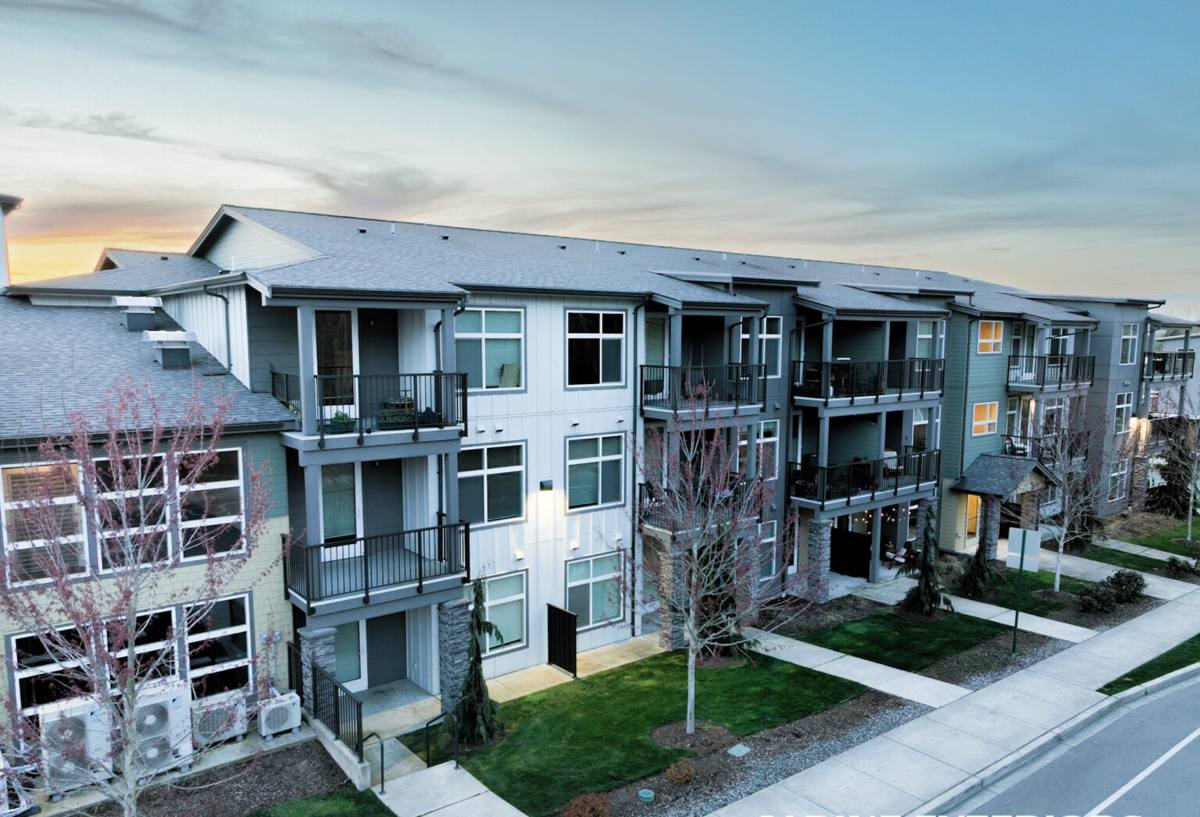
What Dunedin's Climate Asks of a Board & Batten Wall
Hurricane-Force Wind Loads on Vertical Seams
A vertical profile with battens running the full height of a wall has a lot of joint length exposed to wind, and Pinellas County homes have to be able to take hurricane-force gusts without those joints opening up or the boards themselves flexing loose. A batten that's fastened without following the manufacturer's spacing and fastener spec is the weak point that gives first — not necessarily in the storm that put it up, but in one of the storms that follows a few seasons later once fasteners have started to work.
Year-Round UV and Finish Stress
Florida sun is close to a constant here, not a seasonal event, and UV breaks down paint film and wood fiber faster than almost anywhere else in the country. On board and batten, that matters twice as much because there's twice the exposed edge and face compared to a standard lap profile. A finish that isn't built to hold color and integrity under that kind of sun load starts chalking, fading, or cracking at the seams well before the siding itself is due for replacement.
Wind-Driven Rain and Salt Air at the Joints
Rain in Dunedin rarely falls straight down during the storms that matter — wind off the Sound and the Gulf drives it sideways, right into vertical seams. Combine that with steady salt exposure this close to the water, and any fastener or flashing detail that isn't corrosion-resistant and correctly lapped becomes a slow leak point. Board and batten uses more total fasteners per square foot than lap siding because both the boards and the battens need to be secured, so getting that spec right carries more weight here than on most other profiles.
Why Product Choice Matters More on This Profile
Board and batten amplifies whatever weaknesses a siding material already has, simply because it has more seams and more exposed edge than other profiles. That's a big part of why we don't offer LP SmartSide, vinyl, Cemplank, Allura, primed spruce, or cedar board and batten. Those are legitimate products, and other contractors install them competently — but on a profile with this many joints, in a climate that combines hurricane wind, constant UV, and salt air, we standardized on one material system we trust completely rather than offering a cheaper option that shifts the maintenance risk onto the homeowner down the line.
| Material | Behavior at Batten Seams | Performance Under FL Sun & Salt Air | Realistic Lifespan |
|---|---|---|---|
| James Hardie fiber cement | Dimensionally stable; won't swell, cup, or gap at the joint | Factory ColorPlus finish resists fading and salt exposure | 30+ years with proper install |
| LP SmartSide (engineered wood) | More sensitive to moisture at cut edges and fastener holes | Needs consistent edge sealing to hold up to sun and rain | 15-25 years, climate-dependent |
| Vinyl | Can warp or gap at battens under heat; seams less rigid | UV and heat accelerate fading and brittleness over time | 20-30 years, variable |
| Cedar / primed spruce | Absorbs moisture readily at every unsealed seam | High maintenance; repainting or resealing on a recurring cycle | 15-25 years with consistent upkeep |
Fiber cement's core doesn't expand and contract with humidity and heat the way wood-based products do, which is exactly the property that matters most on a profile built almost entirely out of vertical seams. The factory-applied ColorPlus finish also means field priming is limited to the cut edges, not the whole wall face — unlike a field-painted material, where the paint job's quality is doing all the work against Florida's sun and salt air.
What a Correct Board & Batten Install Actually Involves
From the curb, board and batten looks simple: vertical boards, battens over the seams. What actually determines whether that wall holds up through Dunedin's storm seasons is everything happening underneath it:
- House wrap or weather-resistive barrier installed and correctly lapped before any siding goes up
- A drainage gap or rainscreen behind the siding so moisture that gets past the surface can dry out instead of sitting against the wall
- Corrosion-resistant fasteners at the manufacturer's specified spacing — not just enough to hold the board up
- Battens set with the clearance Hardie's install spec calls for, rather than caulked tight, so the wall can shed water instead of trapping it
- Wind-rated flashing and attachment details at windows, doors, corners, and the base of the wall, sized for Pinellas County's wind requirements
- Factory-cured ColorPlus finish preserved by cutting boards face-down and priming any field-cut edges before installation
Skip any one of these and the wall can still look fine for a season or two. What shows up later — seam staining, soft spots at the base, fastener corrosion bleeding through the paint, battens working loose in a storm — takes a few hurricane seasons to appear, which is exactly why it's easy for a shortcut install to get away with it until the homeowner is the one dealing with the repair.
Our Process for a Dunedin Board & Batten Project
Walkthrough and Assessment
We start by looking at the specific walls involved — which ones take direct wind and rain off the Sound or the Gulf, which get the most sun through the day, and whether the existing wall assembly already has moisture issues that need addressing before new siding goes on. Board and batten over a wall with hidden rot just buries that problem under new material.
Detailing the Plan Before Install Day
Batten spacing, corner details, and how the siding meets windows, trim, and rooflines get worked out before crews start cutting material. On a profile with this many seams, planning those details on paper first avoids field improvisation, which is where corners tend to get cut on a rushed job.
Installation to Manufacturer Spec
Every fastener, gap, and flashing lap follows James Hardie's published installation requirements for this wind and moisture zone, not a generic national standard. That's what keeps the manufacturer's warranty intact, and it's what keeps the wall performing the way it's supposed to through hurricane seasons, not just through the first dry summer.
Final Walkthrough
We walk the finished job with you, cover what little maintenance board and batten actually needs with this material, and make sure you know what a correctly installed seam and batten reveal should look like if you ever want to check the wall yourself.
Why Hire a Crew That Already Works Dunedin
Board and batten rewards experience with this specific coastal climate more than most siding profiles do, because the failure points are subtle and slow to show up. A crew that's installed this profile across Dunedin and the rest of Pinellas County through multiple hurricane seasons has already seen which elevations need extra fastening attention because of direct wind exposure, how much batten clearance actually holds up against wind-driven rain here versus what a generic install guide assumes, and where a rainscreen gap earns its keep on a home this close to the water. That judgment doesn't show up on a spec sheet, and it's the difference between a board and batten wall that still looks and performs the same in fifteen years and one that's showing seam staining and loose battens after a handful of storm seasons.
Cost Factors for Board & Batten in This Area
Board and batten typically runs more per square foot than standard lap siding, mostly because of the added material — battens on top of boards — and the extra labor needed to fasten and detail two layers instead of one. Beyond that base cost, a few things move the price on a given Dunedin home:
| Factor | Why It Matters |
|---|---|
| Wall height and complexity | More corners, dormers, and transitions mean more cuts and flashing details |
| Existing wall condition | Moisture or rot found during tear-off needs repair before new siding goes up |
| Wind exposure of the elevation | Walls facing the Sound or open water may need tighter fastening schedules |
| Batten spacing and reveal | Tighter spacing uses more material and more fastening labor |
| Trim and window detailing | More openings mean more flashing and finish work around each one |
We'll walk your specific home and give you real numbers rather than a rough estimate off square footage alone — two Dunedin homes with the same footprint can price very differently depending on how many of these factors are actually in play.
Getting It Right the First Time
Board and batten isn't forgiving to redo. Because the battens cover the seams between boards, fixing a bad install usually means pulling battens, boards, or both, rather than a simple patch job. That's why we treat the planning and detailing phase of a board and batten project as seriously as the install itself — the cost of getting it right the first time is a lot lower than the cost of tearing out a wall that failed a storm test it should have passed.
If you're weighing board and batten for a home in Dunedin, we're happy to walk the property, talk through what your specific walls need given their exposure and orientation, and give you a straightforward, no-pressure estimate. There's a form below — reach out and we'll get a time on the schedule.