 Largo Window
 Indian Shores Sits Right on the Front Line
Indian Shores is a narrow barrier island community in Pinellas County, tucked between the Gulf of Mexico and the Intracoastal Waterway, a short drive from our shop in Largo. Anything built outdoors here, including a backyard or waterfront deck, has to deal with conditions that homes a few miles inland simply don't see to the same degree. Salt-laden air moves through the area almost constantly, the sun is direct and intense for most of the year, and wind-driven rain and hurricane-strength gusts are a real design consideration, not a hypothetical. A deck built to generic, inland specifications can start failing years ahead of schedule out here if it isn't planned for this specific environment from the start.
This page covers what actually goes into a custom deck that's built to last on this stretch of the Gulf coast: the materials, the structure underneath, the permitting, and the maintenance it needs once it's finished.
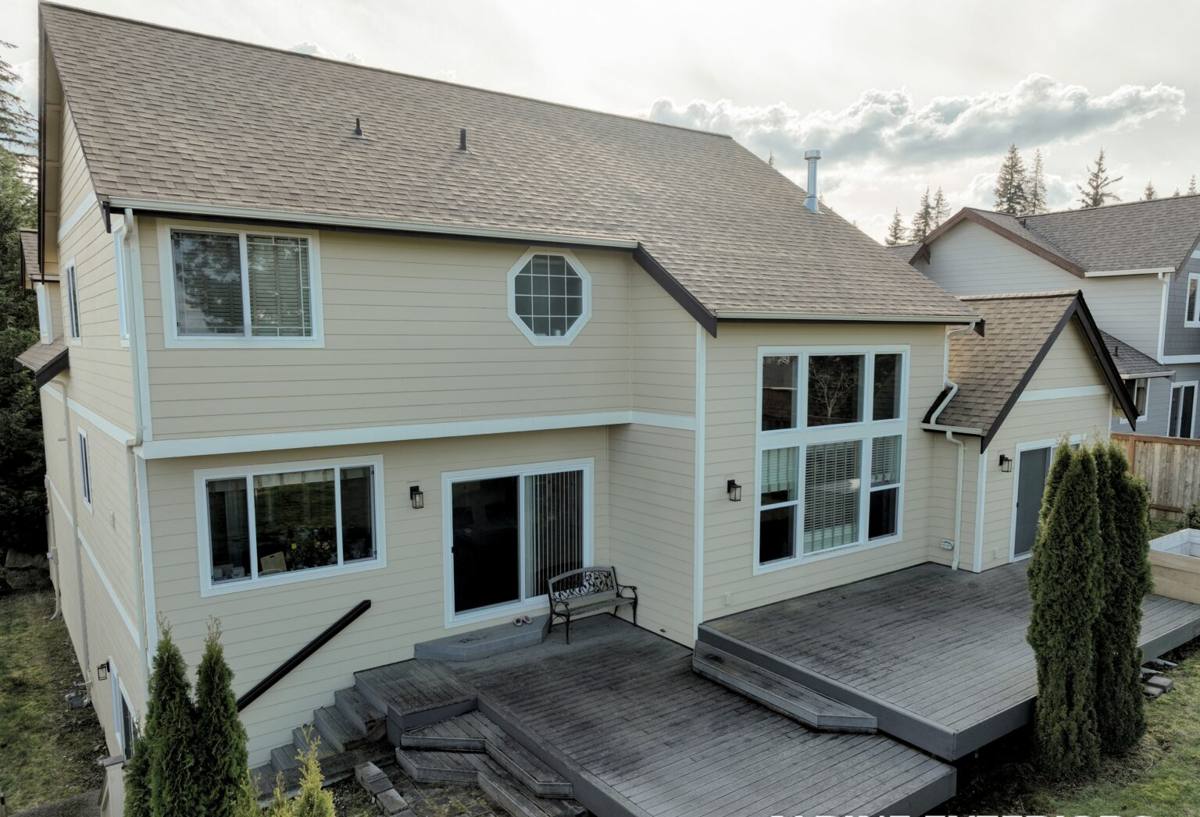
Why a Standard Deck Doesn't Hold Up Out Here
Salt Air and Corrosion
Airborne salt from the Gulf settles on everything nearby, and it's relentless on unprotected metal. Fasteners, brackets, and hardware that would last decades in a landlocked yard can start rusting, staining, and losing strength within a few seasons on a barrier island. Once a fastener corrodes, the connection it's holding, whether that's a ledger board, a joist hanger, or a railing post, is weaker than it looks from the surface.
Intense, Year-Round UV
Florida sun doesn't really take a break, and a west- or south-facing deck near the water gets hit with strong UV exposure most days of the year. Untreated or poorly finished wood grays, cracks, and splinters faster here than in most of the country. Even some composite products fade or chalk over time if the cap or finish wasn't built for this level of sun exposure. Orientation and shade matter more here than they would inland. A deck that sits fully exposed to direct afternoon sun will get hot underfoot and will show UV wear on decking and railings faster than one with some natural or built-in shade. Something as simple as a pergola, a roof extension, or placing the deck relative to your home's existing shade line can make a real difference in comfort and how long the finish lasts, and it's worth discussing during design rather than as an afterthought.
Wind-Driven Rain and Trapped Moisture
Storms here rarely come straight down. Wind-driven rain gets pushed sideways and up under railings, into board gaps, and behind ledger connections, areas that stay relatively dry in calmer climates. Decks that trap that moisture instead of shedding it develop rot, mold, and hidden structural decay long before any damage is visible from above.
Hurricane and Tropical Storm Wind Loads
Pinellas County's barrier islands sit in a higher wind zone than much of the state, and a deck attached to your home needs to handle real uplift and lateral loads, not just support foot traffic. Undersized fasteners, thin ledger attachments, and railings that aren't properly anchored are the parts of a deck most likely to fail in a tropical storm or hurricane, and they're also the parts that are cheapest to get right the first time and the most expensive to fix after a storm.
Choosing Decking Material That Actually Belongs on the Coast
There's no single best decking material for every home. It depends on your budget, how much upkeep you're willing to do, and how exposed your deck is to sun and salt spray. Here's how the common options actually compare in this environment:
| Material | Salt Air / UV Resistance | Maintenance | Typical Lifespan Here |
|---|---|---|---|
| Pressure-treated wood | Fair, needs a protective finish reapplied regularly | High, sealing or staining every 1-2 years | 10-15 years with consistent upkeep |
| Capped composite | Good, the cap resists staining and moisture absorption | Low, occasional washing | 20-25+ years |
| PVC / cellular decking | Very good, no wood fiber to absorb moisture or salt | Low, occasional washing | 25+ years |
| Tropical hardwoods (e.g., ipe) | Good if finished and maintained | High, periodic oiling to prevent graying and checking | 20-25 years with upkeep |
We'll walk you through the real trade-offs for your specific deck rather than steering you toward whatever has the highest margin. A lower-maintenance composite or PVC board often makes the most sense for an exposed, waterfront-facing deck, while a shaded, more protected deck may do just fine with a well-finished wood.
What Drives the Cost of a Custom Deck Here
Every deck is priced around the same handful of variables, and it helps to know what's actually driving the number before comparing quotes.
- Overall size and shape, since multi-level decks and non-rectangular layouts cost more per square foot than a simple rectangle
- Decking material, since pressure-treated wood costs less upfront than composite or PVC, though the long-term maintenance and replacement cost narrows that gap over time
- Height and stairs, since many homes on this stretch of coast are elevated, and a deck that needs multiple stair runs or a taller support structure costs more than a ground-level build
- Railing style, since code-required railings add cost, and corrosion-resistant railing materials cost more upfront than basic wood balusters but hold up far longer in salt air
- Engineering and permitting, since wind load calculations and, where applicable, flood zone requirements add engineering and permitting costs a simple inland deck wouldn't need
- Site access, since narrow barrier island lots can make material staging and equipment access more difficult, which affects labor time
We give you a clear, itemized estimate before any work starts so you know what you're paying for and why, rather than a single lump-sum number.
What's Underneath Matters More Than What's on Top
The decking boards are the part everyone sees, but the framing, fasteners, and attachment points underneath are what actually determine whether a deck survives a decade of salt air and storms out here.
Ledger Attachment and Flashing
Where a deck attaches to your house is one of the most common failure points, especially with wind-driven rain pushing water into that seam. Proper flashing and sealing at the ledger board keeps moisture from working its way into your home's structure. It's a detail that's easy to skip and expensive to ignore.
Fasteners and Hardware
We use fasteners, joist hangers, and brackets rated for coastal and marine-grade exposure, not standard interior-grade hardware. It costs more up front, and it's one of the biggest factors in whether the structure underneath is still sound in ten years.
Footings, Elevation, and Piling-Built Homes
Barrier island soil conditions and flood zone considerations mean footing depth and deck elevation need to be planned carefully, especially for homes near the water. Many homes along this stretch of the Pinellas County coast are built up on pilings or elevated foundations because of flood zone requirements, and that changes how a deck needs to be designed compared to a ground-level home inland. Stairs need to meet code for rise, run, and landing size, and railings on an elevated deck have to meet minimum height and baluster spacing requirements, since a fall from height is a real safety concern and not just a code checkbox. The structural connection between an elevated deck and the home's piling or foundation system has to be engineered correctly, since it's carrying more than the deck's own weight — it's tied into a structure that's already built around flood and wind requirements. We size and place footings based on your actual site and the applicable local code, not a one-size-fits-all template.
Permitting and Code Requirements Near the Coast
Decks in Pinellas County's coastal zones are subject to wind load requirements and, in many cases, flood zone construction rules that don't apply the same way a few miles inland. Depending on your property's location and elevation, that can affect footing depth, attachment methods, and how the structure ties into your home. We handle the permitting process as part of the job: pulling the correct permits, meeting inspection requirements, and building to the load and attachment standards your specific lot requires. Skipping or shortcutting permitting on a coastal deck isn't just a legal risk. It usually means the structural details that matter most in a storm were never checked by anyone but the builder.
How We Approach a Deck Project in Indian Shores
- On-site assessment: we look at your home's exposure, existing structure, elevation, and how sun and wind hit your specific lot before recommending anything.
- Material and design discussion: we go over honest trade-offs between wood, composite, and PVC based on your budget and how much maintenance you want to take on.
- Permitting: we handle the paperwork and coordinate inspections so the structural work is verified, not just assumed.
- Framing and structural work: footings, ledger attachment, joists, and hardware sized and rated for this coastal environment.
- Decking, railing, and finish work: installed to shed water and handle direct sun rather than trap either one.
- Final walkthrough: we go over care and maintenance specific to the materials on your deck before we consider the job done.
Keeping a Coastal Deck in Good Shape
Even a well-built deck needs some routine attention out here. A short seasonal checklist goes a long way toward protecting the investment:
- Rinse salt residue off decking and railings periodically, especially after storms or high-wind days
- Check fasteners and railing connections for corrosion or looseness at least once a year
- Inspect ledger flashing and the house attachment point for signs of moisture intrusion
- Reseal or restain wood decking on the schedule the finish manufacturer recommends, rather than waiting for visible graying
- Keep drainage gaps between boards clear of debris so water can shed properly
- After any major storm, walk the structure and look for loosened boards, hardware, or railings before using it again
Why Local Experience in Indian Shores Actually Matters
A contractor who mostly builds decks well inland can still do competent work, but they may not have hands-on experience with the specific failure points that show up on barrier island homes: the corrosion patterns, the flashing details that matter most with wind-driven rain, and the footing and elevation questions tied to flood zones. Working regularly in Indian Shores and along the surrounding Pinellas County coastline means we've seen how decks actually hold up out here over time, not just how they look on install day. That experience shapes which materials we recommend, how we detail the structure, and what we flag before it turns into a problem down the road.
If you're considering a new deck or want to know whether an existing one is holding up the way it should, we're happy to take a look and put together a free, no-pressure estimate. Use the form below to get started.