 Largo Window
 Why Palm Harbor Homes Need Siding Built for This Exact Climate
Palm Harbor sits in a part of Pinellas County where the exterior of a house works hard every single day of the year. Hurricane-force wind gusts during tropical systems test every fastener and joint in a siding system. Between storms, the sun is doing its own damage — intense, nearly year-round UV exposure that breaks down pigments, softens caulk, and dries out materials that aren't engineered to handle it. Add wind-driven rain that gets forced sideways into laps and seams, plus the slow corrosive effect of salt-laden air moving in off the Gulf, and you have a climate that finds every weak point in a siding job within a few years, not a few decades.
This is why the material and the installation matter more here than in most parts of the country. Siding that performs fine in a dry, temperate climate can fail early in Palm Harbor. We install James Hardie fiber cement siding exclusively because it's engineered specifically for high-moisture, high-UV, storm-prone regions like this one — and we install it in a way that respects what this climate actually does to a house.
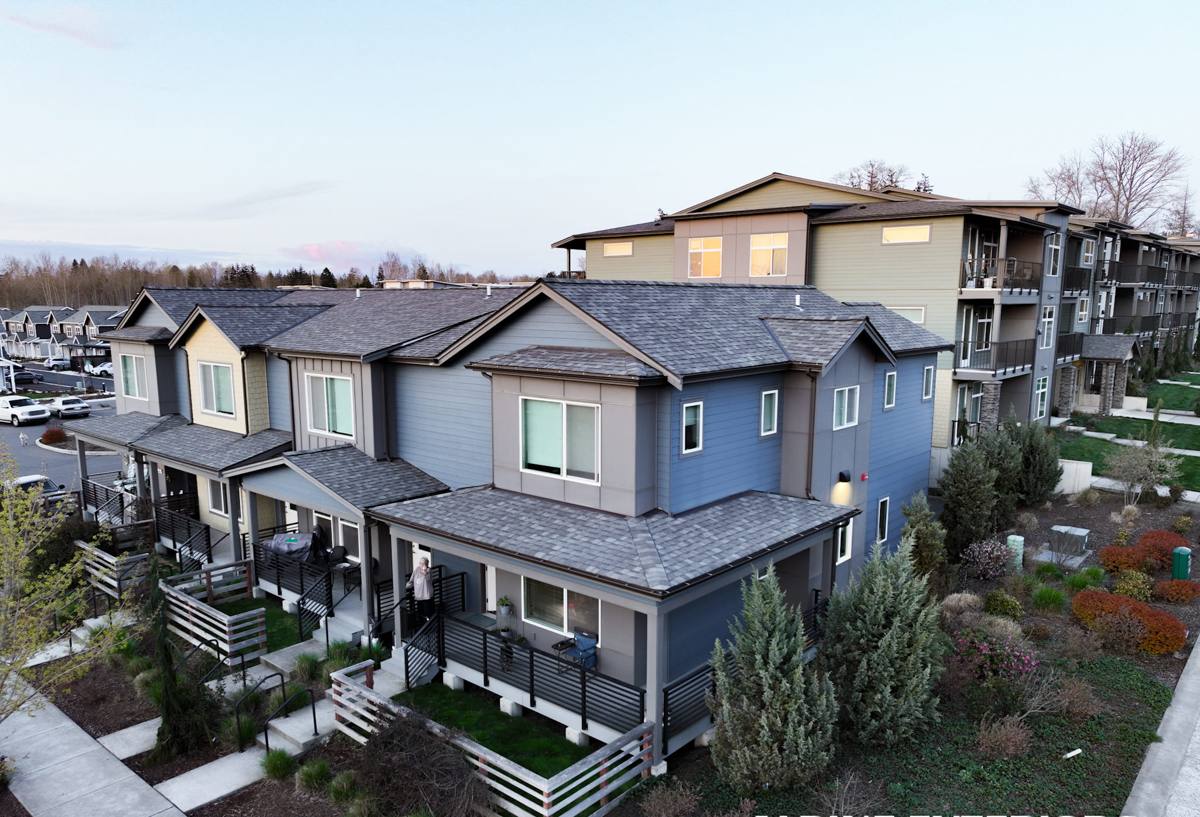
What Correct James Hardie Installation Involves Here
James Hardie siding is only as good as the installation behind it. A huge share of the siding problems we get called out to inspect in this area aren't product failures — they're installation shortcuts that let water, wind, or UV in where they shouldn't be.
Moisture Management and Flashing
Correct flashing at windows, doors, and every horizontal trim transition is non-negotiable in a climate with this much wind-driven rain. That means a properly lapped weather-resistant barrier behind the siding, correct flashing tape and z-flashing at penetrations, and butt joints that are sealed and backed rather than just caulked and left. Skipping any of this doesn't show up as a problem on install day — it shows up two or three years later as staining, soft trim, or rot in the sheathing behind the siding.
Fastening for Wind Load
James Hardie publishes specific fastener patterns and clearances for high-wind zones, and Pinellas County's building code reflects that reality. Nail placement, fastener type, and spacing all change based on wind exposure category and whether the home is in a zone rated for higher design wind speeds. Installing Hardie board with generic fastening — the wrong nail spacing, the wrong type, or face-nailing where blind-nailing is called for — undermines the wind performance the product is actually engineered to deliver.
Factory Finish vs. Field-Applied Paint
James Hardie's ColorPlus finish is baked on at the factory under controlled conditions, which gives it far better UV and fade resistance than a field-applied paint job over raw fiber cement. In a climate with this much sun exposure, that difference in fade resistance and coating durability is significant over the life of the siding. Where field painting is unavoidable — trim cuts, touch-ups, custom colors — using the correct primer and paint system matters just as much as the install itself.
James Hardie Product Lines That Fit Palm Harbor Homes
James Hardie makes several distinct product lines, and the right choice depends on the home's style, exposure, and the look the homeowner wants. HardieZone HZ5 engineered products are formulated for climates with significant moisture and freeze-adjacent volatility; Florida's version of that engineering focuses on humidity and moisture resistance rather than freeze-thaw, but the underlying idea — a product tuned to the region it's installed in — is the same.
| Product Line | Typical Use | Notable Fit for This Area |
|---|---|---|
| HardiePlank Lap Siding | Primary wall cladding, most home styles | Widest color and texture range; the most common choice for full re-sides |
| HardieShingle | Accent gables, coastal/cottage styling | Popular for the shingle-and-shake look without cedar's moisture upkeep |
| HardiePanel | Modern vertical siding, porch ceilings, accents | Clean lines for contemporary or Florida-modern facades |
| HardieTrim boards | Corners, fascia, window and door trim | Pairs with any of the above; resists the UV and moisture that break down wood trim |
Why We Only Install James Hardie
We don't install LP SmartSide, vinyl, Cemplank, Allura, primed spruce, or cedar, and that's a deliberate standard, not an accident of what we happen to stock. Vinyl expands and contracts significantly with Florida's heat swings and can warp or crack in high wind. Wood-based composite products depend heavily on maintaining an intact factory coating — any breach lets moisture in, and moisture is the one thing this climate never runs short of. Cedar and primed spruce require ongoing sealing and repainting to hold up against year-round UV and humidity, which is a real, recurring cost most homeowners underestimate when they choose it. Other fiber cement brands may be reasonable products, but we've standardized our crews, our fastening details, our flashing methods, and our warranty process around one system so that every job we do is executed the same correct way, every time. James Hardie's non-combustible composition, factory finish, and long track record in coastal and hurricane-prone regions is why it's the one product we stand behind.
Our Process for Palm Harbor Siding Projects
- On-site inspection: We assess the existing siding, sheathing condition, trim, and any moisture damage before quoting anything.
- Tear-off and substrate check: Old siding comes off and we inspect the sheathing underneath for rot or prior water intrusion before it gets covered up again.
- Weather barrier installation: A correctly lapped water-resistive barrier goes down first, with flashing detail at every penetration and transition.
- Hardie board installation: Panels or planks go up per James Hardie's published fastening specifications for this wind zone, not a generic pattern.
- Trim, caulking, and finish work: Trim boards, corners, and joints are sealed with the correct sealants rated for sustained UV and moisture exposure.
- Final walkthrough: We review the finished work with the homeowner and register the manufacturer warranty where applicable.
What Affects the Cost of a Hardie Siding Project
Every Palm Harbor home is different, so we don't quote off a flat rate per square foot without seeing the house. These are the factors that actually move the number up or down:
| Factor | Why It Matters |
|---|---|
| Home size and wall complexity | More corners, gables, and dormers mean more cutting, trim, and labor time |
| Condition of existing sheathing | Rot or moisture damage found during tear-off needs repair before new siding goes on |
| Removal of old siding | Full removal and disposal adds labor versus a bare or previously stripped wall |
| Product line and texture | Lap, shingle, and panel products carry different material and labor costs |
| Color choice | Factory ColorPlus finishes versus field-painted options affect both cost and long-term fade resistance |
| Trim and accessory scope | Full trim replacement costs more up front but avoids mismatched old wood trim failing early |
Warranty and Long-Term Performance
James Hardie backs its siding with a strong, transferable limited warranty, and ColorPlus finishes carry their own separate finish warranty covering fade and coating integrity. Both of those warranties assume the product was installed to Hardie's specifications — correct fastening, correct clearances, correct flashing. This is another reason installation quality isn't a detail to skimp on: cutting corners on the install can put the manufacturer warranty at risk, even though the material itself is sound. When it's installed correctly and maintained with basic caulking and inspection over time, Hardie siding is built to hold its look and performance through decades of Pinellas County summers and storm seasons.
Choosing a Siding Crew That Actually Works in This Area
A crew that regularly works in Palm Harbor and the surrounding Largo area already knows the local wind exposure requirements, the permitting process with Pinellas County, and the specific failure points this climate creates. That familiarity shows up in the quality of the flashing details and fastening decisions made on your specific house, not just in a generic install.
- Confirm the crew is a certified James Hardie installer, not just "familiar" with the product
- Ask how they handle flashing and moisture barrier detail at windows and doors
- Ask about the fastener pattern they use and whether it accounts for local wind exposure
- Request references from other siding jobs completed in Pinellas County
- Confirm they register the manufacturer warranty on your behalf after completion
- Get a written scope that specifies product line, trim scope, and color/finish
If your Palm Harbor home's siding is aging, showing wind or moisture damage, or you're simply ready to stop maintaining a material that isn't built for this climate, we're happy to take a look and put together a free, no-pressure estimate for a James Hardie install done right the first time.