 Largo Window
 Madeira Beach Sits Right on the Gulf — Its Siding Has to Perform Like It
Madeira Beach is a barrier island community, which means homes here face a different set of conditions than properties just a few miles inland in Largo. Direct Gulf exposure brings salt-laden air, wind-driven rain, and stronger, more constant wind loads than you'll find on the mainland side of Pinellas County. Siding that would hold up fine in a shaded inland neighborhood can start showing problems within a few years on a Madeira Beach home if it wasn't chosen and installed with that exposure in mind.
We work siding installations across the greater Largo area, and Madeira Beach jobs get treated as their own category — not because the install process changes dramatically, but because the margin for error shrinks. Fastener choice, flashing details, and the siding material itself all matter more when a home sits closer to open water.
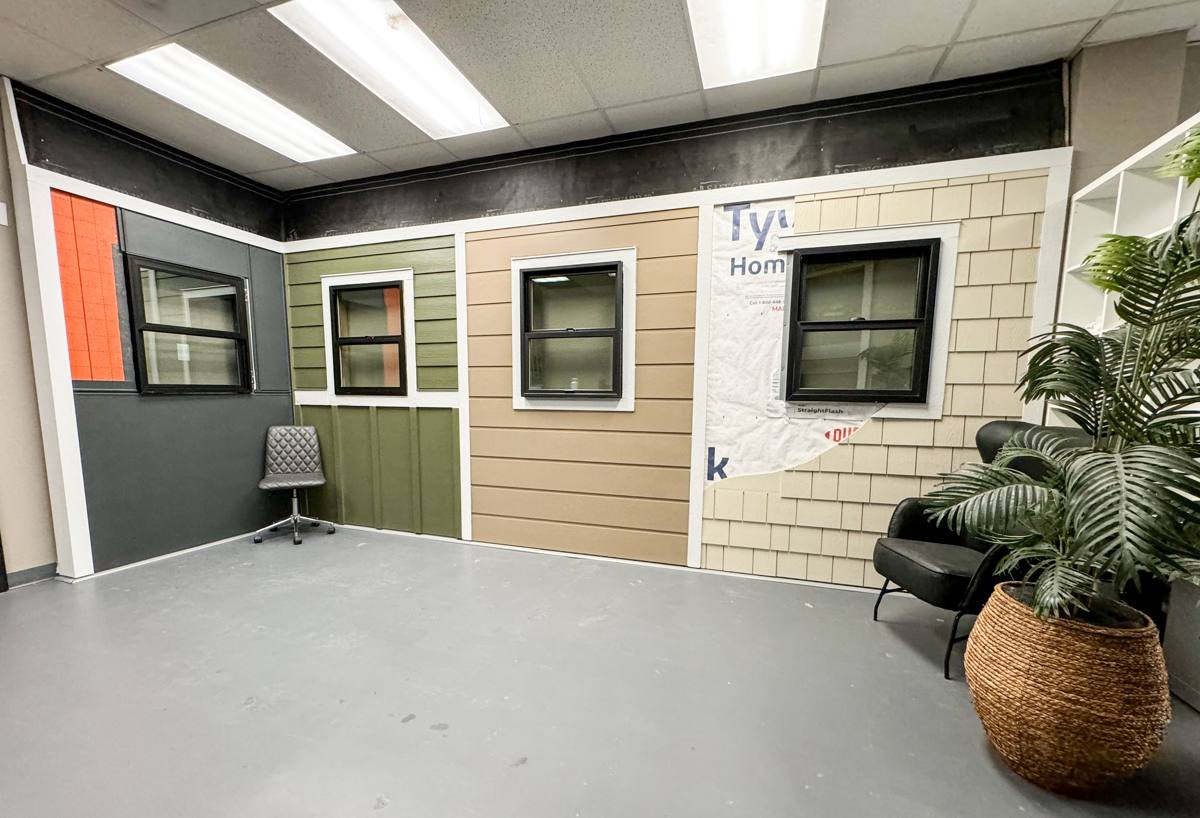
What Coastal Exposure Actually Does to Siding
Salt Air and Corrosion
Airborne salt doesn't just sit on the surface of a wall — it works into fastener heads, trim seams, and any exposed edge of a panel. Over time it accelerates corrosion in metal components and can degrade materials that weren't engineered to resist it. This is one of the biggest reasons material choice matters more here than it does twenty miles inland.
UV Exposure
Florida sun is intense year-round, not just in summer. Siding with a weak factory finish — or none at all — will chalk, fade, and lose its color consistency faster under this kind of sustained UV load. On a beachfront or near-beachfront home, that fading shows up sooner and more unevenly because there's rarely much tree cover to soften the exposure.
Wind-Driven Rain
Storms in this part of Florida don't just bring rain straight down — wind pushes it sideways, into seams, laps, and any gap around windows or trim. Siding and the water-resistive barrier behind it have to work together as a system. If that system has a weak point, wind-driven rain will find it eventually, and the damage often shows up inside the wall before it's visible outside.
Wind Load
Madeira Beach sees the leading edge of tropical systems and higher sustained winds even in routine summer storms. Siding attachment — nail pattern, fastener embedment, and panel engagement — has to meet a higher bar here than a standard inland install.
Why We Only Install James Hardie Fiber Cement
We install one siding system: James Hardie fiber cement. We don't install vinyl, LP SmartSide, Cemplank, Allura, or unprimed wood siding, and on a coastal job like Madeira Beach, that standard matters even more than it does elsewhere in our service area.
Fiber cement is non-combustible, which is a real consideration on any home, and it doesn't soften, warp, or expand the way vinyl can under sustained direct sun. James Hardie's ColorPlus finish is baked on at the factory under controlled conditions, which gives it stronger fade and chip resistance than field-applied paint. For homes in hot, humid coastal climates like ours, James Hardie engineers its HZ10 product formulation specifically for moisture and humidity resistance — as opposed to the HZ5 formulation built for regions with freeze-thaw cycles, which isn't a concern here. That climate-specific engineering, combined with a strong transferable warranty, is why we standardized on this one product line instead of carrying several.
We're not going to tell you every other siding product is worthless — vinyl and engineered wood both have legitimate uses and plenty of installers who do them well. Our position is narrower: for the wind, salt, UV, and moisture load a Madeira Beach home takes on, we think fiber cement installed correctly is the better long-term investment, and it's the only system we put our name behind.
What a Correct Siding Installation Actually Involves
The material is only half the equation. A lot of siding failures we get called to evaluate weren't caused by bad product — they were caused by a rushed or incomplete installation. On a coastal home, shortcuts show up faster.
| Installation Step | Why It Matters on a Coastal Home |
|---|---|
| Water-resistive barrier | Forms the actual moisture defense behind the siding; gaps or tears let wind-driven rain reach the sheathing |
| Flashing at windows, doors, and penetrations | The most common failure point on any siding job — even more so where wind pushes rain sideways |
| Fastener type and pattern | Corrosion-resistant fasteners, driven to Hardie's spec, keep panels secured under sustained coastal wind loads |
| Panel clearance from grade, roofline, and decks | Proper gaps prevent moisture wicking and give the siding room to shed water instead of trapping it |
| Caulking and joint treatment | Done to manufacturer spec, not just "sealed everywhere" — over-caulking can trap moisture as easily as under-caulking lets it in |
None of these steps are exotic. They're standard Hardie installation requirements. The difference between a siding job that lasts and one that fails early almost always comes down to whether every one of these details was actually followed, not skipped to save time.
Our Process for Madeira Beach Projects
The process itself doesn't differ dramatically from any other siding job we run in the Largo area, but a few steps get extra attention given the exposure.
1. On-Site Assessment
We look at the home's current siding and sheathing condition, exposure direction relative to the Gulf, existing moisture damage if any, and how the trim, windows, and rooflines interact with the wall system. This tells us what prep work is actually needed before a single new panel goes up.
2. Removal and Substrate Check
Old siding comes off and we check what's underneath. On coastal homes this step matters more — hidden moisture damage from years of wind-driven rain is common enough that we don't skip it just to move faster.
3. Water-Resistive Barrier and Flashing
This is the layer that does the real work if anything ever gets past the siding itself. We install it to spec, with particular attention to window and door flashing, before any Hardie product goes up.
4. James Hardie Installation
Panels, fasteners, and trim go in to manufacturer specification for our climate zone, with attention to clearances and joint treatment.
5. Final Walk-Through
We go over the finished job with the homeowner, point out anything they should know for future maintenance, and address questions before we consider the job done.
- Confirm fastener type and spacing match Hardie's coastal installation spec
- Verify flashing at every window, door, and wall penetration
- Check proper clearance from grade, roofline, and any attached decks or patios
- Inspect caulking and joint treatment for consistency
- Walk the full exterior with the homeowner before calling the job complete
Why a Crew That Already Works This Coastline Matters
A siding crew that mostly works inland neighborhoods isn't necessarily going to do a bad job on a Madeira Beach home — but they may not default to the extra fastener spacing, flashing attention, or clearance details that matter more here. A crew that regularly works barrier island and near-coastal properties in Pinellas County treats those details as routine, not as an afterthought.
That familiarity also shows up in smaller ways: knowing how salt air affects material staging and storage during a multi-day install, recognizing early signs of moisture damage under existing siding, and understanding how a home's orientation to the Gulf changes which walls take the most weathering. None of this is complicated, but it's the kind of thing you only get consistently right by doing it regularly, not occasionally.
Cost Factors for a Madeira Beach Siding Job
We don't publish flat pricing because siding jobs vary too much by home size, current condition, and scope — but these are the factors that actually move the number, in rough order of impact.
| Factor | How It Affects Cost |
|---|---|
| Total wall square footage | The largest single driver of material and labor cost |
| Condition of existing sheathing | Hidden moisture damage found during removal adds repair scope before new siding can go up |
| Number of windows, doors, and trim details | More penetrations mean more flashing and trim work |
| Home height and access | Two-story and elevated coastal homes require more setup and staging time |
| Siding profile and finish selection | Lap width, texture, and color line affect material cost within the Hardie product family |
The only way to get an accurate number is a real on-site look at the home — anything quoted without seeing the actual walls, trim, and current condition is a guess.
Maintenance After Installation
One advantage of fiber cement with a factory-applied finish is that it asks less of you than most alternatives, but "less" isn't "none," especially this close to the water. A periodic rinse to clear salt buildup, keeping an eye on caulked joints over time, and addressing any impact damage promptly are really the extent of it. There's no repainting cycle to plan around the way there is with field-finished siding, which is part of why the ColorPlus finish matters on a home that takes this much sun and salt exposure.
If you're weighing a siding project on a Madeira Beach home, we're glad to come take a look and give you a straight, no-pressure estimate — no obligation, and no pressure to sign anything on the spot. Use the form below to get started.