 Largo Window
 Palm Harbor Siding Has to Do More Than Look Good
Palm Harbor sits in a part of Pinellas County where the exterior of a house works hard year-round. Hurricane-force winds test every fastener and seam during storm season, intense UV exposure bakes painted and vinyl surfaces for months at a stretch, wind-driven rain finds its way into any gap in the water management system, and salt air drifting in off the Gulf and the surrounding intracoastal waterways accelerates corrosion on anything not built to handle it. Siding here isn't just a cosmetic choice — it's the first line of defense for the wall assembly behind it.
We install fiber cement siding for Palm Harbor homeowners specifically because it's one of the few claddings engineered to hold up under that combination of stresses without constant upkeep. This page covers what that actually means in practice: what the material needs to do, what correct installation looks like in this climate, and what our process is when we take on a Palm Harbor project.
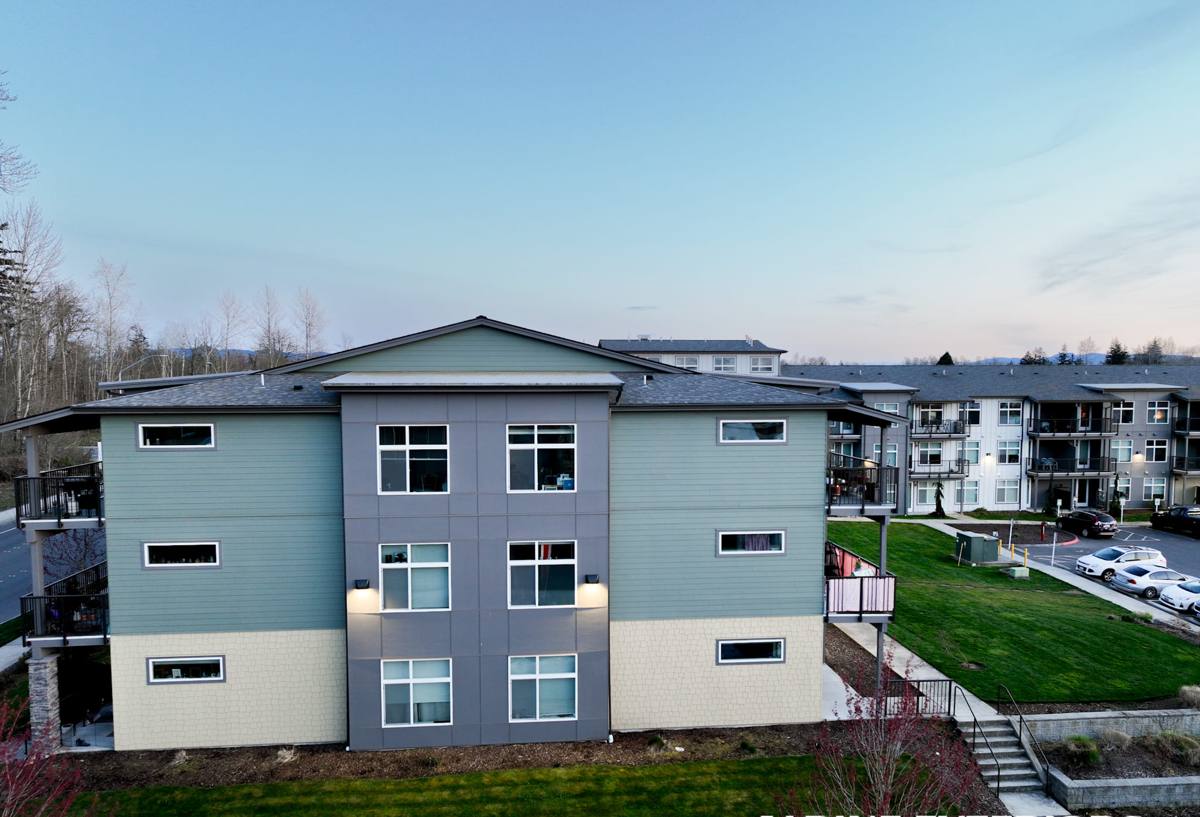
What Fiber Cement Is Actually Solving For
Fiber cement siding is a mix of cement, sand, and cellulose fiber, cured into planks and panels that are dense, dimensionally stable, and non-combustible. In a coastal Florida climate, those properties matter for reasons that are specific to this area:
Moisture Cycling
Pinellas County humidity means exterior materials are almost never fully dry. Wood-based products absorb moisture, swell, and eventually rot or delaminate at the edges. Fiber cement doesn't swell the way wood or wood-composite products do, and it doesn't support rot, which matters when a house is going through daily humidity swings on top of seasonal storm rain.
UV and Heat
Florida sun is harder on exterior finishes than most of the country experiences. Paint film on wood siding chalks and fades faster here, and vinyl can warp or discolor under sustained heat. A factory-applied finish that's engineered for UV resistance holds its color and integrity far longer than a field-applied paint job repainted every few years.
Wind and Impact
Straight-line gusts and wind-blown debris are a real consideration anywhere in Pinellas County, Palm Harbor included. Siding needs a fastening pattern and a base material that can take that load without cracking, popping loose, or peeling back at the edges.
Salt Air
Homes closer to the water deal with airborne salt that corrodes fasteners and finishes over time. Material choice and fastener choice both need to account for that, not just at installation but for how the assembly ages over the next 20-30 years.
Why We Only Install James Hardie
Fiber cement is a category, not a single product, and the brand and product line matter more than most homeowners realize. We standardized on James Hardie for Palm Harbor and the rest of our service area for a few specific reasons:
- HZ5 climate-engineered formulation: Hardie makes region-specific product engineered for the moisture and humidity patterns of the Gulf Coast and Southeast, rather than a one-size-fits-all national formula.
- ColorPlus factory finish: a baked-on, multi-coat finish applied under controlled conditions, which holds color and resists fading and chipping better than field-applied paint — a real advantage under year-round Florida UV.
- Product depth: lap siding, shingle-style siding, and trim boards from one manufacturer, so the whole exterior system is engineered to work together instead of mixing mismatched trim and field material.
- Transferable, documented warranty: a warranty that's meaningful for future resale, not just the current owner, backed by a manufacturer with a long track record in fiber cement specifically.
We don't install LP SmartSide, vinyl, Cemplank, Allura, or bare wood siding. That's a standard we hold across every job, not a sales pitch for one job — we'd rather turn down work than install something we don't think holds up to this climate and stand behind our name on it.
Fiber Cement vs. the Alternatives, Honestly
Every siding material has real trade-offs. Here's how the common options stack up against the conditions Palm Harbor homes actually face:
| Factor | Vinyl | Wood/LP-style composite | James Hardie Fiber Cement |
|---|---|---|---|
| Wind-driven rain / moisture | Can gap and warp at seams over time | Absorbs moisture, prone to swelling at cut edges | Dense, non-absorptive core resists moisture damage |
| UV / color retention | Fades and can become brittle in high heat | Paint fades and needs recoating on a regular cycle | ColorPlus factory finish resists fading, backed by finish warranty |
| Wind resistance | Can crack or blow off in high gusts if under-fastened | Panels can crack or delaminate under repeated flex | Rigid, dense material engineered for high-wind fastening schedules |
| Salt air / corrosion | Material itself is inert but trim fasteners still corrode | Moisture exposure accelerates rot near coastal humidity | Pairs with corrosion-resistant fasteners for coastal durability |
| Ongoing maintenance | Low, but limited repair options if damaged | Regular repainting and edge sealing required | Occasional caulk/paint touch-up; no swelling or rot to manage |
What a Correct Fiber Cement Installation Actually Involves
Fiber cement is only as good as the installation behind it. Most of the problems we see on older or poorly-installed siding jobs trace back to shortcuts at this stage, not the material itself.
Water Management First
Before a single plank goes up, the wall needs a correctly lapped weather-resistant barrier, properly integrated window and door flashing, and drainage planes that let any incidental moisture escape instead of getting trapped behind the siding. In a climate with this much wind-driven rain, this step decides whether the wall assembly stays dry for the next few decades.
Clearances and Gaps
Hardie's installation specs call for specific clearances from rooflines, decks, and grade, and gaps at butt joints and trim to allow for expansion. Skipping these is one of the most common causes of premature caulk failure and moisture intrusion.
Fastening Schedule
Wind exposure in Pinellas County means the fastening pattern isn't optional — nail spacing, embedment depth, and fastener type all need to match the product's engineered wind rating. Corrosion-resistant fasteners matter more here than in inland climates because of salt air exposure.
Finish Integrity
Cut edges need to be primed and sealed per manufacturer specification, and any field-painted trim needs a coating rated for the finish system. Skipping this step is a common source of edge swelling and premature paint failure even on fiber cement.
Our Process on a Palm Harbor Project
Our process is the same discipline every time, calibrated to the specific house:
- On-site assessment: we look at the existing siding, sheathing condition, window and door flashing, and any signs of past moisture intrusion before we quote anything.
- Tear-off and inspection: removing old siding lets us actually see the sheathing and framing underneath, which sometimes reveals damage that needs to be addressed before new siding goes on.
- Water barrier and flashing correction: we don't install over a compromised drainage plane — this gets corrected first.
- Hardie installation to spec: fastening schedule, clearances, and finish detailing done to manufacturer and wind-rating requirements, not shortcuts.
- Final walkthrough: trim, caulking, and touch-up checked against the finished product before we call it done.
Signs a Palm Harbor Home May Need New Siding
A quick self-check before calling anyone:
- Visible warping, buckling, or gaps between siding panels
- Soft spots or discoloration near the bottom of walls or below windows
- Paint that's chalking, peeling, or fading unevenly across the house
- Rot, swelling, or bubbling at panel edges or seams
- Rising energy bills that could point to a failing exterior envelope
- Visible fastener corrosion or rust streaking on the siding surface
Why Local Experience in This Area Matters
Palm Harbor and the surrounding Largo area fall under Pinellas County's wind-load and building code requirements, which are stricter than a lot of the country because of hurricane exposure. A crew that already works this area knows the permitting process, the inspection expectations, and how houses in this specific part of the Gulf Coast are typically built — slab construction, block or wood-frame walls, and the moisture patterns that come with being this close to the water. That local knowledge shows up in the details: the right flashing approach for the window types common in the area, fastening schedules matched to actual local wind exposure, and an installation that will pass inspection the first time instead of getting flagged for corrections.
What to Expect Long-Term
Installed correctly, James Hardie fiber cement siding is a low-drama exterior for a long time. It doesn't need repainting on the aggressive cycle that wood does, it won't swell or rot from humidity exposure, and the factory finish is built to hold its color under Florida sun far longer than a field-applied coat. Maintenance is mostly limited to periodic washing, checking caulk joints at trim and penetrations every few years, and addressing any impact damage promptly rather than letting it sit. None of that is difficult — it's just different from the upkeep cycle homeowners are used to with vinyl or wood.
If you're weighing your options for a Palm Harbor home, we're happy to walk the property, look at what's there now, and give you a straight answer on what it would take to do it right. There's no pressure and no cost to get an estimate — just a real assessment from a crew that installs this material and only this material.