 Largo Window
 Roofing on a Barrier Island Is Its Own Trade
Redington Shores sits right on the water, and that changes what a roof has to survive. A roof a few miles inland deals with heat and the occasional storm. A roof on or near the barrier island deals with that same heat, plus sustained salt spray, plus wind loads that climb the closer you get to open Gulf exposure. Two houses can be the same age, the same style, and the same shingle brand, and still age at completely different rates depending on how close they sit to the water and how well the last roof was actually installed.
We work throughout the Largo area and the beach communities regularly, so this isn't a one-off job for us. We know what a roof out here is up against, and we build every replacement around that reality instead of treating it like a standard inland re-roof.
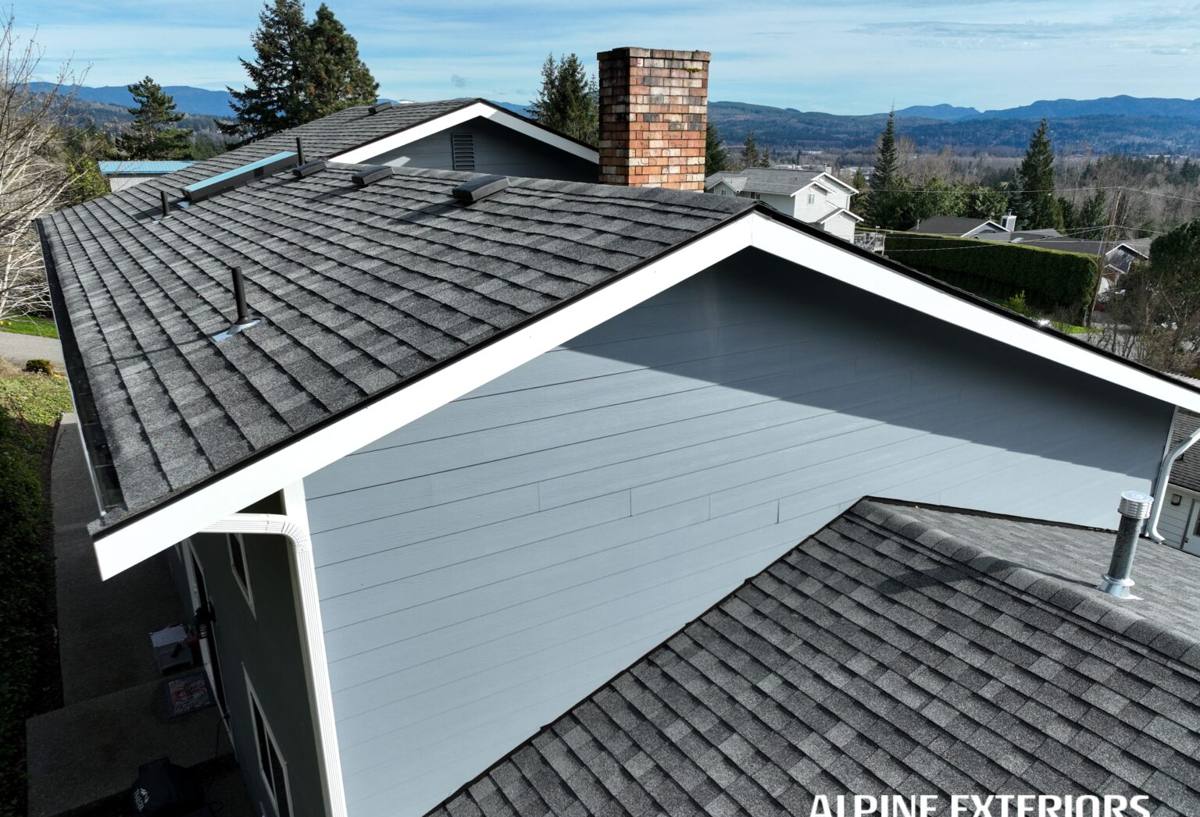
What Coastal Pinellas County Weather Does to a Roof
A few conditions do most of the damage over time:
- Hurricane-force wind — even storms that don't make direct landfall nearby can push sustained gusts strong enough to lift poorly fastened shingles, tiles, or flashing.
- Year-round UV exposure — Florida sun breaks down asphalt shingle oils and dries out sealant strips faster than in most of the country, which shortens usable roof life if the material and ventilation aren't matched to the climate.
- Wind-driven rain — storms here rarely fall straight down. Rain gets pushed sideways under ridge caps, around vents, and up under shingle tabs, which is why underlayment and flashing detail matter as much as the roof covering itself.
- Salt air — airborne salt corrodes exposed metal fasteners, flashing, vent boots, and hardware faster near the coast than it does even a short distance inland.
None of these are unique to Redington Shores, but the combination and the intensity are worse this close to the Gulf. A roof replacement here should be specified for barrier-island exposure, not just pulled from a generic price sheet.
Signs a Redington Shores Roof Needs Replacement, Not Another Repair
Not every roof problem calls for a full tear-off. But there's a point where patching stops being the honest recommendation. We look for:
- Granule loss heavy enough that the shingle mat is visibly showing through, especially on south- and west-facing slopes that take the most sun.
- Shingles that are cupping, curling at the edges, or cracking when lightly flexed.
- Repeated leaks in different spots after previous repairs — a sign the underlayment has failed broadly, not just at one point.
- Visible corrosion or rust streaking around flashing, vents, or fasteners.
- Soft spots, sagging, or staining on the interior ceiling or attic decking.
- A roof approaching or past the manufacturer's expected service life for this climate, especially if the last wind mitigation inspection flagged aging materials.
If a roof is showing two or three of these at once, spot repairs usually turn into a cycle of paying for the same problem repeatedly. We'll tell you plainly which situation you're in — this isn't a business where we want to sell a full replacement to someone who only needs a repair.
What a Correct Roof Replacement Actually Involves
Tear-Off and Deck Inspection
Every layer of the old roof comes off down to the wood deck. This is the point where hidden damage shows up — soft decking, old leaks that never surfaced inside, or fastener patterns from a previous install that don't meet current wind requirements. Any compromised decking gets replaced before anything new goes down; covering rotten or soft decking with a new roof just hides the problem for a few more years.
Underlayment
In a wind-driven rain climate, underlayment is doing real work, not just serving as a formality. A self-adhering, waterproof underlayment at eaves, valleys, and penetrations gives the roof a second line of defense if wind ever drives water past the surface material — which happens more often near open water than most homeowners realize.
Flashing and Penetrations
Flashing around chimneys, skylights, walls, and roof-to-wall transitions is one of the most common failure points on any roof, and salt air accelerates corrosion on cheap or thin flashing metal. We replace flashing rather than reuse it, and we detail penetrations — vent boots, pipe collars, and similar — so they're sealed correctly the first time.
Fastening for Wind
How a roof covering is fastened matters as much as what it's made of. Nailing patterns, fastener count, and adhesive sealing all affect how well a roof holds up under sustained coastal wind. We install to the fastening schedule the material and current code call for in this wind exposure — not the minimum that gets a job done faster.
Ventilation
Proper attic ventilation keeps shingles cooler, reduces moisture buildup under the deck, and helps the whole system last as long as it's rated to. A roof replacement is the right time to correct ventilation that was never sized properly to begin with.
Choosing a Roofing Material for a Redington Shores Home
There's no single "best" roofing material for every home here — it depends on your budget, your home's structure, your HOA or condo association rules if you're in one, and how long you plan to own the property. Here's how the common options compare for this specific environment:
| Material | Wind Performance | Salt-Air Durability | Typical Lifespan Here | Relative Upfront Cost |
|---|---|---|---|---|
| Architectural Asphalt Shingle | Good, when properly fastened and rated for the local wind zone | Fair — hardware and flashing need coastal-grade materials | Shorter end of its rated range due to UV and salt exposure | Lowest |
| Standing Seam Metal | Very good to excellent | Good with coastal-rated coatings and fasteners | Long, with periodic fastener and sealant checks | Higher |
| Concrete or Clay Tile | Very good when the fastening and underlayment system is correct | Good — the tile itself resists salt well, but underlying components still need protection | Long, but repairs after storm damage can be more involved | Highest |
Whichever material you choose, the underlayment, flashing, and fastening details described above matter more to how the roof performs here than the brand name on the shingle wrapper. A well-installed mid-range shingle roof will outperform a premium material that was installed to a lower standard.
Our Roof Replacement Process
- On-site inspection and estimate. We look at the current roof, the deck, ventilation, and any problem areas, and walk you through what we find in plain terms.
- Material and scope review. We go over material options, what your home's structure and any HOA or condo rules allow, and give you an honest cost range before anything is signed.
- Permitting. Roof replacements require a permit through the applicable local building department. We handle that paperwork and the required inspections.
- Tear-off and deck repair. Old roofing comes off, the deck is inspected, and any damaged sections are replaced.
- Underlayment, flashing, and installation. The new roofing system goes on to the fastening and sealing standard the material and wind zone require.
- Final inspection and cleanup. The job is inspected, the property is cleared of debris and nails, and we walk the finished roof with you.
Permits, Wind Mitigation, and Insurance
A roof replacement in Pinellas County requires a building permit, and the finished work has to pass inspection before the job is considered complete. We manage that process as part of the job rather than leaving it to the homeowner.
A new roof can also affect your homeowners insurance. Many carriers offer wind mitigation credits for roofs built to current fastening and underlayment standards, and a documented, permitted replacement gives you the paperwork needed to request a new wind mitigation inspection afterward. We can't quote your insurance savings — that's between you and your carrier — but we'll make sure the completed roof and permit records support that conversation.
Why Local Experience in Redington Shores Matters
A crew that only occasionally works this close to the water can underestimate what a barrier-island roof needs — using inland-grade fasteners, skipping the extra underlayment detail at eaves and valleys, or not accounting for HOA or condo association requirements that are common in beach communities. Working here regularly means we're familiar with:
- The permitting process through the applicable Pinellas County or municipal building department for this area.
- What salt air actually does to different fastener and flashing materials over a few years, not just in theory.
- Access and staging realities on barrier-island lots, which can be tighter than mainland properties.
- The kind of documentation insurers and HOAs commonly ask for after a roof replacement in this area.
A Roof Replacement Checklist for Redington Shores Homeowners
- Confirm the contractor is licensed to perform roofing work in Florida and carries current liability and workers' comp insurance.
- Ask for the specific fastening schedule and underlayment plan for your wind zone — not just the shingle brand.
- Get the permit and scope of work in writing before any tear-off begins.
- Ask how deck repairs, if needed, are priced — surprise charges here are a common source of disputes.
- Check whether flashing will be replaced or reused, especially around chimneys, skylights, and walls.
- Ask what the ventilation plan is, not just the roofing material.
- Get a clear answer on cleanup, magnetic nail sweeps, and how debris is handled.
- Confirm what documentation you'll receive for insurance and wind mitigation purposes after the job.
Caring for a New Roof in a Salt-Air Climate
A properly installed roof still benefits from basic upkeep out here. Rinsing off accumulated salt and debris periodically, keeping gutters and valleys clear so wind-driven rain has somewhere to go, and having the roof looked at after any major storm all help it reach its full expected lifespan. We're glad to walk any homeowner through a simple maintenance routine after installation — it's a short conversation that pays off over years.
If your roof is showing its age, was damaged in a storm, or you're just trying to plan ahead before it becomes an emergency, we're happy to take a look. Reach out for a free, no-pressure estimate using the form below, and we'll give you a straight assessment of where your roof actually stands.